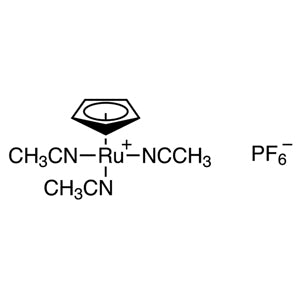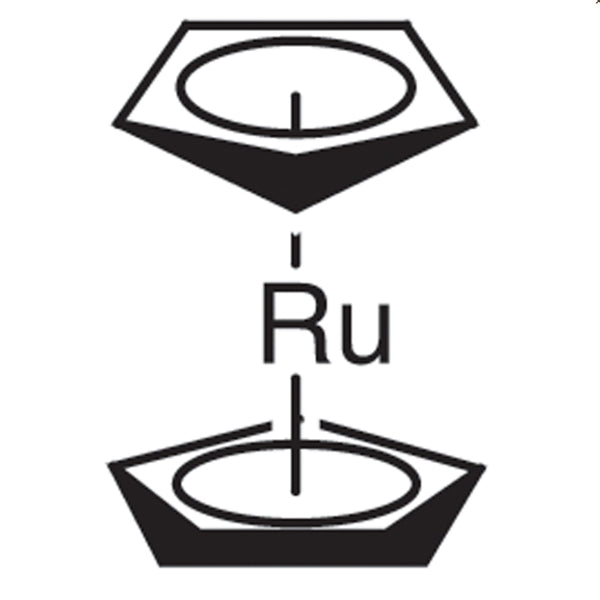
Ruthenocene, also known as TCI R0078 with CAS number 1287-13-4, is an organoruthenium compound widely used in catalytic reactions and chemical synthesis. It is a key component in the field of transition metal chemistry, particularly in catalysis and inorganic chemistry. Its unique molecular structure, characterized as an aromatic compound containing ruthenium, makes it highly effective in facilitating complex chemical transformations. This compound is valued for its ability to activate chemical bonds under specific conditions, making it a versatile tool in modern laboratory research.
The properties of Ruthenocene that make it a preferred choice include its strong catalytic activity and chemical stability under controlled conditions. It exhibits excellent efficiency in promoting both oxidation and reduction reactions, which are fundamental in many synthetic processes. Additionally, Ruthenocene is known for its environmental sustainability, as it enables reactions to proceed with minimal byproducts. These characteristics make it a reliable and efficient reagent for researchers aiming to develop greener and more sustainable chemical processes.
In Indonesian laboratories, Ruthenocene is commonly used by chemists and scientists working in catalysis and organic synthesis. It plays a crucial role in research focused on developing new technologies and improving the efficiency of chemical processes. Its availability in the market ensures that it remains a valuable resource for academic and industrial research in the region.
TCI brochures (PDF)
- Transition Metal Catalysts 2026-04-10 · p. 8
Related TCI products
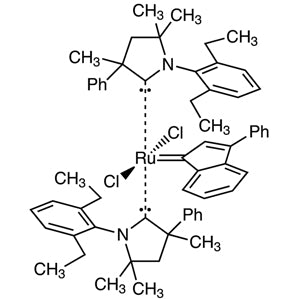
- TCI U0141 2055540-61-7 UltraCat (contains 5% Nitromethane at maximum)
- TCI U0116 2106819-64-9 UltraNitroCat
- TCI T3902 304695-79-2 Dichlorotris(1,10-phenanthroline)ruthenium(II) Monohydrate
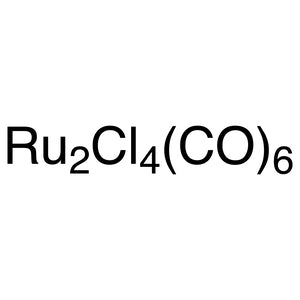
- TCI T3812 22594-69-0 Tricarbonyldichlororuthenium(II) Dimer
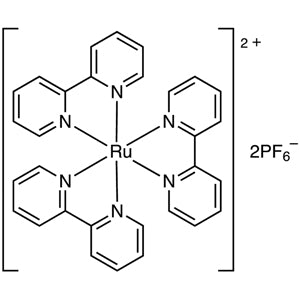
- TCI T3435 60804-74-2 Tris(2,2'-bipyridine)ruthenium(II) Bis(hexafluorophosphate)
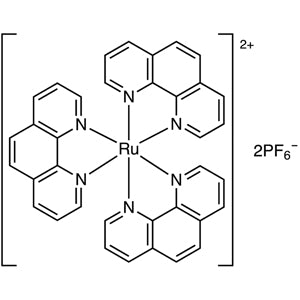
- TCI T3208 60804-75-3 Tris(1,10-phenanthroline)ruthenium(II) Bis(hexafluorophosphate)
- Catalytic Reduction Reactions: Ruthenocene is ideal for reducing complex organic compounds due to its strong catalytic activity and ability to activate chemical bonds.
- Oxidation Processes: It is widely used in oxidation reactions, providing efficient and selective activation of substrates under controlled conditions.
- Organic Synthesis: Its unique molecular structure makes it a valuable reagent in the synthesis of various organic compounds, especially in multi-step reactions.
- Green Chemistry Research: Ruthenocene supports sustainable chemical processes by minimizing waste and byproducts, aligning with environmental goals.
- Industrial Catalysis: It is applied in industrial settings where high catalytic efficiency and stability are required for large-scale chemical transformations.
| Brand | TCI |
|---|---|
| CAS number | 1287-13-4 |
| Molecular formula | — |
| Purity | — |
| Category | Chemistry > Catalysis and Inorganic Chemistry > Transition Elements |
| Pack sizes | Available in various quantities as per supplier specifications |
| Physical form | Solid or liquid, depending on the specific formulation |
| Storage | Store in a cool, dry place away from moisture and direct sunlight |
Ruthenocene should be stored in a cool, dry environment to maintain its chemical stability. It is recommended to keep it in a sealed container to prevent exposure to moisture and air. Due to its reactivity, it should be handled with care in a well-ventilated laboratory setting. Appropriate personal protective equipment, such as gloves and safety goggles, should be worn during handling. Avoid contact with incompatible substances, and ensure proper disposal according to local regulations. Regular monitoring of storage conditions is essential to ensure the integrity and effectiveness of the compound in laboratory applications.
—
Produk Terkait
-
UltraCat(contains5%Nitromethaneatmaximum) TCI U0141
Regular price Rp 3.630.900,00Regular price -
UltraNitroCat TCI U0116
Regular price Rp 4.213.650,00Regular price -
Dichlorotris(1,10-phenanthroline)ruthenium(II)Monohydrate TCI T3902
Regular price Rp 5.194.350,00Regular price -
Tricarbonyldichlororuthenium(II)Dimer TCI T3812
Regular price Rp 4.584.300,00Regular price -
Tris(2,2'-bipyridine)ruthenium(II)Bis(hexafluorophosphate) TCI T3435
Regular price Rp 4.081.350,00Regular price -
Tris(1,10-phenanthroline)ruthenium(II)Bis(hexafluorophosphate) TCI T3208
Regular price From Rp 1.829.100,00Regular price -
Tris(acetonitrile)cyclopentadienylruthenium(II)Hexafluorophosphate TCI T3079
Regular price Rp 5.194.350,00Regular price -
(R,R)-Ts-DENEB(regR) TCI T3078
Regular price From Rp 1.485.750,00Regular price