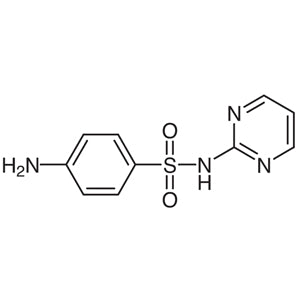
Silver Sulfadiazine is a chemical compound widely used in laboratory experiments, particularly in the fields of biochemistry and pharmacology. It serves as a key reagent in antimicrobial studies due to its potent antibacterial properties. This compound is commonly employed as an antibacterial agent in research settings, where it is used to inhibit bacterial growth and prevent infections. Its role is critical in experiments that involve testing the efficacy of antibiotics or developing new antimicrobial agents.
One of the main reasons Silver Sulfadiazine is preferred in laboratories is its stable chemical structure and solubility in specific solvents, making it versatile for various analytical methods. Its resistance to degradation ensures reliability in long-term studies, and its good solubility simplifies dilution and application in chemical reactions. These properties make it a reliable and consistent choice for researchers working in diverse experimental conditions.
In Indonesian laboratories, Silver Sulfadiazine is frequently used in public health, pharmaceutical, and biomedical research. It is a primary material for testing antibacterial activity and in the development of microbial inhibitors. Its widespread use in these contexts highlights its importance in both academic and applied research settings.
TCI brochures (PDF)
- Antimicrobials and Antitumor Agents for Research and Experimental Use 2025-04-24 · p. 6
- Pharmaceutical Ingredients for Research and Experimental Use 2026-03-09 · p. 6
- Antimicrobial Activity Testing: Silver Sulfadiazine is ideal for assessing the effectiveness of antibiotics against various bacterial strains.
- Microbial Inhibition Studies: Its strong antibacterial properties make it suitable for experiments aimed at developing new antimicrobial agents.
- Pharmaceutical Research: It is used in drug development to evaluate the performance of compounds in inhibiting microbial growth.
- Biomedical Applications: Silver Sulfadiazine supports research in wound healing and infection prevention in clinical and laboratory settings.
- Public Health Investigations: It plays a key role in studies related to infection control and the prevention of bacterial outbreaks.
| Brand | TCI |
|---|---|
| CAS number | 22199-08-2 |
| Molecular formula | — |
| Purity | — |
| Category | Life Science > Biochemicals and Reagents > Antibiotics |
| Pack sizes | Available in various quantities as per standard laboratory requirements |
| Physical form | Solid powder |
| Storage | Store in a cool, dry place away from direct sunlight |
Silver Sulfadiazine should be stored in a cool, dry environment to maintain its chemical stability and prevent degradation. It is recommended to keep the compound in a tightly sealed container to avoid moisture absorption, which could affect its solubility and effectiveness. Proper ventilation is essential when handling the substance to minimize exposure to airborne particles. Laboratory personnel should wear appropriate personal protective equipment, such as gloves and safety goggles, to ensure safe handling. The compound is non-hazardous under normal conditions but should be treated with care to maintain its integrity and ensure safe use in all experimental procedures.
—
Product Categories
- Biochemicals and ReagentsAntibioticsAntibiotics (Chemical Structure Class)
- Biochemicals and ReagentsPharmaceutical Research Reagents (for Experimental Use)Antimicrobial Ingredients (for Research and Experimental Use)
- Biochemicals and Reagents
- MicrobiologyAntibioticsAntibiotics (Chemical Structure Class)
- Pharmaceutical Development and Drug Discovery ResearchPharmaceutical Research Reagents (for Experimental Use)Antimicrobial Ingredients (for Research and Experimental Use)
- Pharmaceutical Development and Drug Discovery ResearchAntibioticsAntibiotics (Chemical Structure Class)
Produk Terkait
-
Sulfadiazine TCI S0579
Regular price Rp 1.008.000,00Regular priceRp 720.300,00Sale price Rp 1.008.000,00 -
SulfadiazineSodium TCI U0171
Regular price Rp 1.220.100,00Regular priceRp 868.350,00Sale price Rp 1.220.100,00 -
Tigecycline TCI T3589
Regular price From Rp 2.464.350,00Regular priceRp 1.738.800,00Sale price From Rp 2.464.350,00 -
Tinidazole TCI T3058
Regular price From Rp 795.900,00Regular priceRp 572.250,00Sale price From Rp 795.900,00 -
TetracyclineHydrochloride TCI T2525
Regular price From Rp 1.220.100,00Regular priceRp 868.350,00Sale price From Rp 1.220.100,00 -
Tobramycin TCI T2503
Regular price From Rp 2.942.100,00Regular priceRp 2.072.700,00Sale price From Rp 2.942.100,00 -
Trimethoprim TCI T2286
Regular price From Rp 2.041.200,00Regular priceRp 1.442.700,00Sale price From Rp 2.041.200,00 -
Aztreonam TCI A2466
Regular price From Rp 3.021.900,00Regular priceRp 2.128.350,00Sale price From Rp 3.021.900,00