Tetradecane (TCI T0079), with CAS number 629-59-4, is a hydrocarbon compound widely used in chemical experiments. As a non-heterocyclic building block, it plays a fundamental role in the synthesis of more complex molecules. Its simple molecular structure makes it a versatile component in laboratory settings, where it is often employed as a solvent or a reagent in various chemical reactions. This compound is particularly valued for its stability and inertness, allowing it to be used in a wide range of experimental conditions without undergoing unwanted chemical changes.
Tetradecane is known for its high boiling point and excellent solvency for non-polar substances, making it a preferred choice for applications that require a stable and non-reactive solvent. Its chemical inertness ensures that it does not interfere with the reactions it is used in, which is crucial for maintaining the accuracy of experimental results. Additionally, its non-toxic nature and lack of hazardous components make it a safe option for use in laboratory environments that prioritize safety and compliance with chemical handling standards.
In Indonesian laboratories, Tetradecane is commonly used in chemical, pharmaceutical, and industrial research settings. It is an essential component in the development of new compounds and is frequently employed in testing the physical and chemical properties of other substances. Its reliability and consistent performance make it a trusted material for both academic and industrial applications in the region.
- Chemical synthesis applications benefit from Tetradecane's stability and inertness, making it ideal for use as a non-reactive solvent in complex reaction systems.
- It is widely used in pharmaceutical research to dissolve and test the solubility of various organic compounds, aiding in drug development processes.
- Tetradecane serves as a reference material in analytical chemistry, where its purity and consistent properties are essential for accurate testing and calibration.
- In industrial laboratories, it is employed as a solvent for non-polar substances, supporting the production of specialty chemicals and materials.
- It is also used in physical property testing to evaluate the thermal and chemical stability of other compounds under controlled conditions.
| Brand | TCI |
|---|---|
| CAS number | 629-59-4 |
| Molecular formula | — |
| Purity | — |
| Category | Chemistry > Building Blocks > Non-Heterocyclic Building Blocks |
| Pack sizes | Available in various quantities as per standard laboratory supply options |
| Physical form | Liquid |
| Storage | Store in a cool, dry place away from direct sunlight and incompatible materials |
Tetradecane should be stored in a cool, dry location, away from direct sunlight and sources of heat. It is recommended to use sealed containers made of materials that are chemically inert to prevent any potential reactions. Due to its non-reactive nature, it does not require special handling beyond standard chemical storage practices. In laboratory settings, it is important to ensure that the storage area is well-ventilated to avoid the accumulation of vapors. Always keep the container tightly closed when not in use to maintain its purity and prevent contamination. Regular inspection of storage conditions is advised to ensure the material remains in optimal condition for use.
—
Produk Terkait
-
Tetradecane[StandardMaterialforGC] TCI S0286
Regular price Rp 1.803.900,00Regular priceRp 1.261.050,00Sale price Rp 1.803.900,00 -
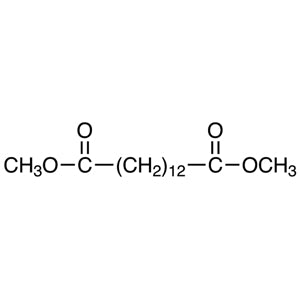
DimethylTetradecanedioate TCI T1726
Regular price From Rp 2.464.350,00Regular priceRp 1.738.800,00Sale price From Rp 2.464.350,00 -
1,2-Tetradecanediol TCI T1353
Regular price Rp 2.862.300,00Regular priceRp 2.017.050,00Sale price Rp 2.862.300,00 -
1-Bromotetradecane TCI B0233
Regular price From Rp 823.200,00Regular priceRp 575.400,00Sale price From Rp 823.200,00 -
TetradecanedioicAcid TCI T0704
Regular price From Rp 2.173.500,00Regular priceRp 1.535.100,00Sale price From Rp 2.173.500,00 -
1-Chlorotetradecane TCI C0622
Regular price From Rp 505.050,00Regular priceRp 352.800,00Sale price From Rp 505.050,00 -
tert-ButylHydrogenTetradecanedioate TCI B5927
Regular price Rp 4.373.250,00Regular priceRp 3.073.350,00Sale price Rp 4.373.250,00 -
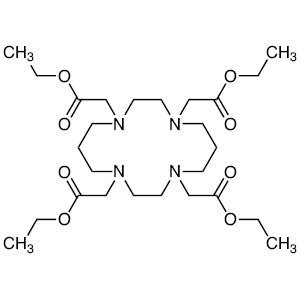
Tetraethyl1,4,8,11-Tetraazacyclotetradecane-1,4,8,11-tetraacetate TCI T2540
Regular price Rp 2.439.150,00Regular priceRp 1.720.950,00Sale price Rp 2.439.150,00