Thianthrene is an organic compound widely utilized in chemical reactions for the synthesis of heterocyclic compounds. As a key building block in the field of heterocyclic chemistry, it plays a crucial role in the development of complex molecular structures. Its presence in chemical laboratories is essential for the creation of various substances, including pharmaceuticals, dyes, and industrial chemicals. Thianthrene is particularly valued for its stable ring structure and the ability to undergo controlled chemical reactions, making it a versatile tool in synthetic chemistry.
The chemical properties of Thianthrene, such as its ability to participate in substitution reactions, aromatic reactions, and cyclic reactions, make it a preferred choice for researchers. Its reactivity can be fine-tuned through various chemical processes, allowing for the synthesis of a wide range of compounds. These characteristics make it an ideal material for the production of complex molecules with specific structural requirements. Its relatively inert nature also ensures safe handling under controlled laboratory conditions, contributing to its reliability in research settings.
In Indonesian laboratories, Thianthrene is commonly used in pure chemical research, especially in the synthesis of heterocyclic compounds. It serves as a valuable tool in pharmaceutical and industrial chemical research, supporting the development of new materials and compounds. Its application is expanding across various educational and research institutions in Indonesia, where it is integral to advancing chemical and pharmaceutical studies.
Related TCI products
- Heterocyclic Compound Synthesis: Thianthrene is ideal for creating complex ring structures due to its stable and reactive nature.
- Pharmaceutical Research: Its use in synthesizing drug-related compounds makes it essential for drug development studies.
- Dye and Pigment Production: Thianthrene contributes to the creation of organic dyes and pigments used in industrial applications.
- Industrial Chemical Development: It supports the formulation of various industrial chemicals through controlled chemical reactions.
- Educational Research: Thianthrene is commonly used in academic settings to teach and demonstrate heterocyclic chemistry principles.
| Brand | TCI |
|---|---|
| CAS number | 92-85-3 |
| Molecular formula | — |
| Purity | — |
| Category | Chemistry > Building Blocks > Heterocyclic Building Blocks |
| Pack sizes | Available in standard laboratory quantities |
| Physical form | Solid |
| Storage | Store in a cool, dry place away from light and moisture |
Thianthrene should be stored in a cool, dry environment, away from direct light and moisture to maintain its chemical stability. It is recommended to use airtight containers made of glass or inert plastic to prevent contamination and degradation. Due to its relatively inert nature, it poses minimal risk during normal laboratory handling, but standard safety protocols should still be followed. Proper labeling and storage conditions are essential to ensure the material remains safe and effective for use in chemical research. Laboratories should ensure that Thianthrene is kept in a secure location, away from incompatible substances, to prevent any potential chemical interactions. Regular monitoring of storage conditions helps maintain the integrity of the compound for long-term use in research applications.
—
Produk Terkait
-
Thianthrene5-Oxide TCI T4026
Regular price From Rp 1.405.950,00Regular priceRp 998.550,00Sale price From Rp 1.405.950,00 -
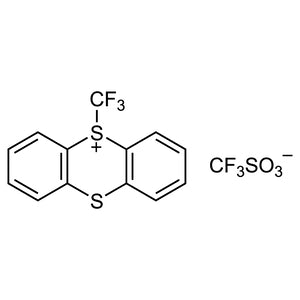
5-(Trifluoromethyl)-5H-thianthren-5-iumTrifluoromethanesulfonate TCI T4037
Regular price From Rp 1.988.700,00Regular priceRp 1.405.950,00Sale price From Rp 1.988.700,00 -
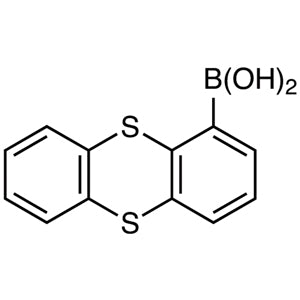
1-ThianthrenylboronicAcid(containsvaryingamountsofAnhydride) TCI T3706
Regular price From Rp 662.550,00Regular priceRp 478.800,00Sale price From Rp 662.550,00 -
9,10-Dihydro-9-oxa-10-phosphaphenanthrene10-Oxide TCI D1874
Regular price From Rp 848.400,00Regular priceRp 609.000,00Sale price From Rp 848.400,00