Thiazole is a heterocyclic compound featuring a five-membered ring containing one sulfur and one nitrogen atom. It plays a crucial role in laboratory settings as a fundamental building block for the synthesis of complex organic molecules. Its unique structure makes it an essential component in the development of pharmaceuticals, pesticides, and industrial chemicals. Thiazole is widely used in organic chemistry for its ability to participate in various reactions, including substitution, condensation, and aromatic reactions. Its versatility allows chemists to tailor its properties through functional group substitutions, making it a valuable tool in synthetic chemistry.
Thiazole is prized for its chemical stability and controlled reactivity, which can be manipulated by substituting specific positions in the ring. This flexibility enables its use in the synthesis of compounds with targeted biological activities, such as antioxidants and antifungal agents. Its solubility in organic solvents and compatibility with a wide range of functional groups further enhance its utility. These properties make thiazole a preferred choice for researchers aiming to develop new compounds with specific chemical and biological functions.
In Indonesian laboratories, thiazole is extensively used in pharmaceutical research, organic chemistry, and industrial chemical development. It is commonly found in studies related to drug discovery, chemical modification, and the creation of new materials. Its presence in these research areas underscores its importance as a key reagent in advancing scientific innovation and practical applications.
Related TCI products
- TCI T2495 14527-41-4 Thiazole-5-carboxylic Acid
- TCI T2494 3973-08-8 Thiazole-4-carboxylic Acid
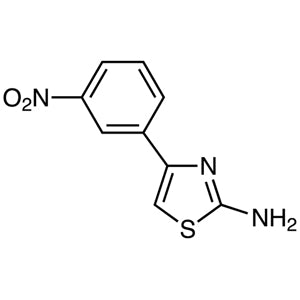
- TCI A3086 57493-24-0 2-Amino-4-(3-nitrophenyl)thiazole
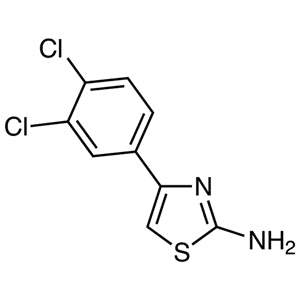
- TCI A2906 39893-80-6 2-Amino-4-(3,4-dichlorophenyl)thiazole
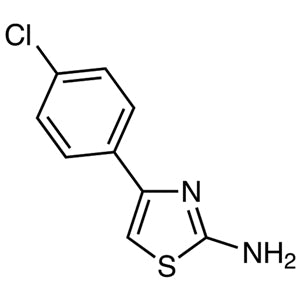
- TCI A2841 2103-99-3 2-Amino-4-(4-chlorophenyl)thiazole
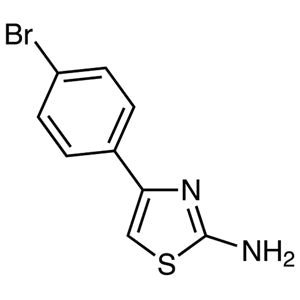
- TCI A2829 2103-94-8 2-Amino-4-(4-bromophenyl)thiazole
- Pharmaceutical research utilizes thiazole for the synthesis of bioactive compounds due to its structural versatility and ability to form stable derivatives.
- Organic chemistry experiments rely on thiazole for its participation in substitution and condensation reactions, offering a reliable starting point for complex molecule creation.
- Industrial chemical development benefits from thiazole’s compatibility with various functional groups, enabling the design of specialized compounds for diverse applications.
- Antimicrobial compound research leverages thiazole’s potential to generate molecules with antifungal and antioxidant properties.
- Drug discovery initiatives use thiazole as a core structure to design new therapeutic agents with targeted biological activities.
| Brand | TCI |
|---|---|
| CAS number | 288-47-1 |
| Molecular formula | — |
| Purity | — |
| Category | Chemistry > Building Blocks > Heterocyclic Building Blocks |
| Pack sizes | Available in various quantities as per standard laboratory requirements |
| Physical form | Liquid |
| Storage | Store in a cool, dry place away from direct sunlight |
Thiazole should be stored in a cool, dry environment, away from direct sunlight and sources of heat. It is recommended to keep it in a sealed container made of materials compatible with organic solvents, such as glass or high-density polyethylene. Due to its chemical reactivity, it should be handled with appropriate personal protective equipment, including gloves and safety goggles. Ensure proper ventilation in the workspace to minimize exposure. Thiazole is not flammable but may react with strong oxidizing agents, so it should be stored separately from such substances. Regular monitoring of storage conditions is advised to maintain its stability and effectiveness in laboratory applications.
—
Produk Terkait
-
Thiazole-5-carboxylicAcid TCI T2495
Regular price From Rp 1.696.800,00Regular priceRp 1.202.250,00Sale price From Rp 1.696.800,00 -
Thiazole-4-carboxylicAcid TCI T2494
Regular price From Rp 1.483.650,00Regular priceRp 1.053.150,00Sale price From Rp 1.483.650,00 -
2-Amino-4-(3-nitrophenyl)thiazole TCI A3086
Regular price From Rp 717.150,00Regular priceRp 516.600,00Sale price From Rp 717.150,00 -
2-Amino-4-(3,4-dichlorophenyl)thiazole TCI A2906
Regular price Rp 4.399.500,00Regular priceRp 3.092.250,00Sale price Rp 4.399.500,00 -
2-Amino-4-(4-chlorophenyl)thiazole TCI A2841
Regular price From Rp 610.050,00Regular priceRp 442.050,00Sale price From Rp 610.050,00 -
2-Amino-4-(4-bromophenyl)thiazole TCI A2829
Regular price Rp 1.140.300,00Regular priceRp 812.700,00Sale price Rp 1.140.300,00 -
2-Amino-4-(p-tolyl)thiazole TCI A2666
Regular price From Rp 2.147.250,00Regular priceRp 1.517.250,00Sale price From Rp 2.147.250,00 -
2-(p-Tolyl)benzo[d]thiazole TCI M3916
Regular price From Rp 1.776.600,00Regular priceRp 1.257.900,00Sale price From Rp 1.776.600,00