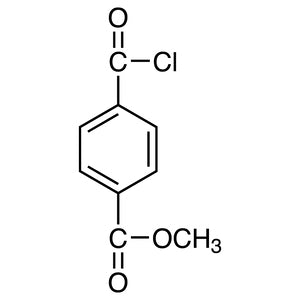
Methyl 4-(Chloroformyl)benzoate is a chemical compound widely used in organic synthesis reactions within laboratory settings. This compound serves as a key building block in the development of more complex molecules, making it essential for researchers working in synthetic chemistry. Its molecular structure includes an active chloroformyl group and a stable methyl group, which contribute to its reactivity and versatility in various chemical transformations. Due to its functional groups, it is a valuable reagent in both academic and industrial research environments.
The compound's unique chemical properties make it a preferred choice for laboratory applications. The presence of the chloroformyl group allows it to participate in electrophilic substitution reactions, while its ester functionality enables it to undergo esterification processes. These characteristics provide researchers with a reliable and predictable reagent for a wide range of chemical reactions. Its controlled reactivity and clear molecular structure make it an ideal candidate for use in both basic and advanced organic chemistry experiments.
In Indonesian laboratories, Methyl 4-(Chloroformyl)benzoate is commonly used in academic and research settings. It is frequently found in universities and research institutions where organic chemistry is studied. Its applications span from drug development to the production of industrial chemicals, making it a versatile and essential compound in the chemical research landscape of Indonesia.
Related TCI products
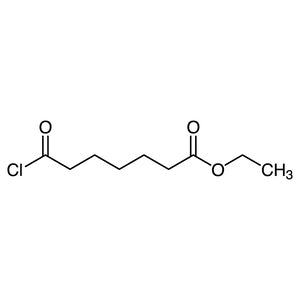
- TCI C1414 14794-32-2 Ethyl 6-(Chloroformyl)hexanoate
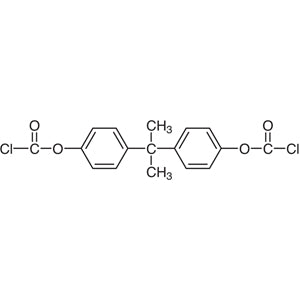
- TCI B1335 2024-88-6 2,2-Bis(4-chloroformyloxyphenyl)propane
- TCI T1870 70424-94-1 Methyl 3,4,5-Tris(benzyloxy)benzoate
- TCI B2224 1129-28-8 Methyl 3-(Bromomethyl)benzoate
- TCI B2053 2417-72-3 Methyl 4-(Bromomethyl)benzoate
- TCI B2041 583-04-0 Allyl Benzoate
- Organic synthesis of aromatic compounds for the development of new pharmaceuticals due to its reactive chloroformyl group.
- Production of esters as a precursor in the pharmaceutical industry for drug formulation and intermediate manufacturing.
- Research on the reactivity of carboxylic acid groups in organic chemistry to understand reaction mechanisms and pathways.
- Development of chemical materials for industrial applications requiring functionalized aromatic compounds.
- Investigation of synthetic routes for complex molecules in both academic and applied research settings.
| Brand | TCI |
|---|---|
| CAS number | 7377-26-6 |
| Molecular formula | — |
| Purity | — |
| Category | Chemistry > Building Blocks > Non-Heterocyclic Building Blocks |
| Pack sizes | Available in standard laboratory quantities as per supplier specifications |
| Physical form | Solid or liquid depending on the specific formulation |
| Storage | Store in a cool, dry place away from moisture and direct sunlight |
Methyl 4-(Chloroformyl)benzoate should be stored in a cool, dry environment to maintain its chemical stability. It is recommended to keep the compound in a tightly sealed container to prevent exposure to moisture and air. Due to its reactive nature, it should be handled in a well-ventilated area, ideally with appropriate personal protective equipment. Avoid contact with incompatible substances such as strong bases or reducing agents. The compound should be stored away from heat sources and direct sunlight to prevent degradation. Proper labeling and storage conditions are essential to ensure safety and maintain the integrity of the material during laboratory use.
—
Produk Terkait
-
Ethyl6-(Chloroformyl)hexanoate TCI C1414
Regular price Rp 8.187.900,00Regular priceRp 5.741.400,00Sale price Rp 8.187.900,00 -
2,2-Bis(4-chloroformyloxyphenyl)propane TCI B1335
Regular price Rp 530.250,00Regular priceRp 386.400,00Sale price Rp 530.250,00 -
Methyl3,4,5-Tris(benzyloxy)benzoate TCI T1870
Regular price Rp 1.510.950,00Regular priceRp 1.072.050,00Sale price Rp 1.510.950,00 -
Methyl3-(Bromomethyl)benzoate TCI B2224
Regular price Rp 1.908.900,00Regular priceRp 1.350.300,00Sale price Rp 1.908.900,00 -
Methyl4-(Bromomethyl)benzoate TCI B2053
Regular price Rp 1.405.950,00Regular priceRp 998.550,00Sale price Rp 1.405.950,00 -
AllylBenzoate TCI B2041
Regular price Rp 2.702.700,00Regular priceRp 1.905.750,00Sale price Rp 2.702.700,00 -
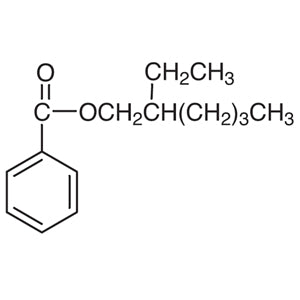
2-EthylhexylBenzoate TCI B1977
Regular price Rp 2.730.000,00Regular priceRp 1.924.650,00Sale price Rp 2.730.000,00 -
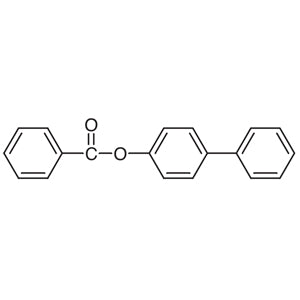
4-BiphenylBenzoate TCI B1866
Regular price Rp 1.272.600,00Regular priceRp 905.100,00Sale price Rp 1.272.600,00