2,2-Bis(4-chloroformyloxyphenyl)propane is a chemical compound widely used as a building block in the synthesis of complex molecules. This compound plays a crucial role in laboratory settings where the formation of specific functional groups is required. Its unique structure allows it to serve as a versatile intermediate in various organic reactions, making it an essential component for chemists working on advanced molecular structures. Due to its stability and predictable reactivity, it is frequently employed in both academic and industrial research environments.
The compound's chemical properties, including its stability and controlled reactivity, make it a preferred choice for researchers. It is particularly valued for its ability to participate in a wide range of chemical transformations without undergoing unwanted side reactions. The presence of two chloroformyl groups on its molecular framework provides multiple sites for further functionalization, enhancing its utility in synthetic pathways. These characteristics ensure that it remains a reliable and effective tool in the hands of chemists.
In Indonesian laboratories, this compound is commonly used in pharmaceutical and materials science research. Its role in developing new drug compounds and advanced materials is significant. Researchers in both academic and industrial settings rely on its consistent performance and predictable behavior to achieve precise results. Its popularity is further supported by its compatibility with various reaction conditions and its ability to maintain structural integrity during synthesis processes.
Related TCI products
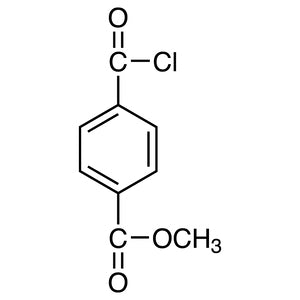
- TCI T0283 7377-26-6 Methyl 4-(Chloroformyl)benzoate
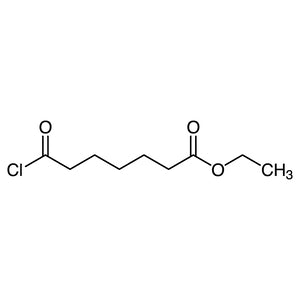
- TCI C1414 14794-32-2 Ethyl 6-(Chloroformyl)hexanoate
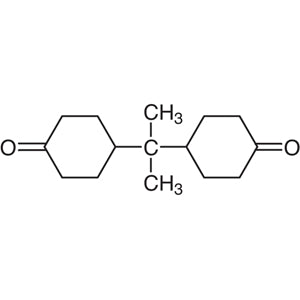
- TCI B1672 7418-16-8 2,2-Bis(4-oxocyclohexyl)propane
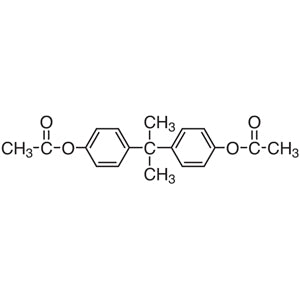
- TCI B1286 10192-62-8 2,2-Bis(4-acetoxyphenyl)propane
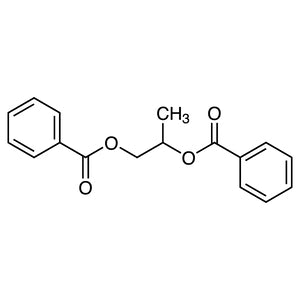
- TCI P3051 19224-26-1 Propane-1,2-diyl Dibenzoate
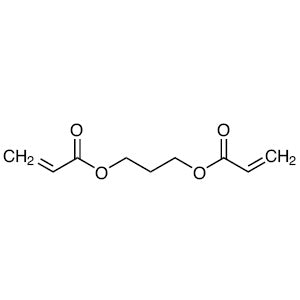
- TCI P2898 24493-53-6 Propane-1,3-diyl Diacrylate (stabilized with MEHQ)
- Used in pharmaceutical research for the synthesis of complex drug molecules due to its functional group versatility and stability.
- Applied in materials science for the development of advanced polymers and coatings because of its reactivity and structural adaptability.
- Employed in organic synthesis to create intermediates for a wide range of chemical compounds due to its predictable chemical behavior.
- Utilized in academic research settings for teaching and experimental purposes because of its reliability and ease of handling.
- Integrated into industrial chemical processes for the production of specialty chemicals due to its controlled reactivity and commercial availability.
| Brand | TCI |
|---|---|
| CAS number | 2024-88-6 |
| Molecular formula | — |
| Purity | — |
| Category | Chemistry > Building Blocks > Non-Heterocyclic Building Blocks |
| Pack sizes | Available in various quantities as per standard laboratory supply |
| Physical form | Solid |
| Storage | Store in a cool, dry place away from moisture and direct sunlight |
This compound should be stored in a cool, dry environment to maintain its chemical stability. It is recommended to keep it in a sealed container to prevent exposure to moisture and air. Due to its reactivity, it should be handled in a well-ventilated area with appropriate personal protective equipment. Avoid contact with incompatible substances to ensure safety. Proper labeling and storage conditions are essential to maintain its integrity and ensure safe usage in laboratory settings. Always follow standard laboratory safety protocols when handling this material.
—
Produk Terkait
-
Methyl4-(Chloroformyl)benzoate TCI T0283
Regular price Rp 2.386.650,00Regular priceRp 1.668.450,00Sale price Rp 2.386.650,00 -
Ethyl6-(Chloroformyl)hexanoate TCI C1414
Regular price Rp 8.187.900,00Regular priceRp 5.741.400,00Sale price Rp 8.187.900,00 -
2,2-Bis(4-oxocyclohexyl)propane TCI B1672
Regular price From Rp 4.743.900,00Regular priceRp 3.332.700,00Sale price From Rp 4.743.900,00 -
2,2-Bis(4-acetoxyphenyl)propane TCI B1286
Regular price Rp 1.035.300,00Regular priceRp 723.450,00Sale price Rp 1.035.300,00 -
Propane-1,2-diylDibenzoate TCI P3051
Regular price From Rp 2.702.700,00Regular priceRp 1.905.750,00Sale price From Rp 2.702.700,00 -
Propane-1,3-diylDiacrylate(stabilizedwithMEHQ) TCI P2898
Regular price From Rp 2.227.050,00Regular priceRp 1.557.150,00Sale price From Rp 2.227.050,00 -
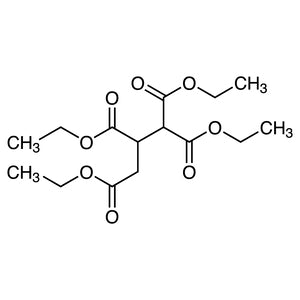
TetraethylPropane-1,1,2,3-tetracarboxylate TCI P0487
Regular price Rp 2.571.450,00Regular priceRp 1.813.350,00Sale price Rp 2.571.450,00 -
Propane-1,3-diylDiacetate TCI D6083
Regular price From Rp 2.466.450,00Regular priceRp 1.724.100,00Sale price From Rp 2.466.450,00