2,2-Bis(4-acetoxyphenyl)propane is a chemical compound widely used as a building block in the synthesis of complex organic molecules. Its role in laboratory settings is crucial for researchers aiming to develop new compounds with specific functional groups. This compound is particularly valuable in organic chemistry due to its structural versatility and reactivity. It serves as a key intermediate in various synthetic pathways, enabling the construction of more complex molecular frameworks. Its presence in chemical reactions allows for the controlled modification of aromatic chains, making it an essential component in the toolkit of synthetic chemists.
The compound's stability and controlled reactivity make it a preferred choice for laboratory applications. Its molecular structure, featuring two acetoxy groups on a propane backbone, allows for efficient participation in substitution and coupling reactions. These properties enable chemists to tailor the final product according to specific research goals. The compound's predictable behavior under different reaction conditions ensures consistency and reliability in experimental outcomes, which is vital for reproducibility in scientific research.
In Indonesian laboratories, 2,2-Bis(4-acetoxyphenyl)propane is commonly used in academic and research institutions. It plays a significant role in projects focused on the synthesis of bioactive compounds and the development of new materials. Its availability in the local market supports ongoing research efforts, facilitating access for scientists and students engaged in chemical studies. Its application spans across multiple disciplines, including pharmaceuticals, materials science, and chemical engineering.
Related TCI products
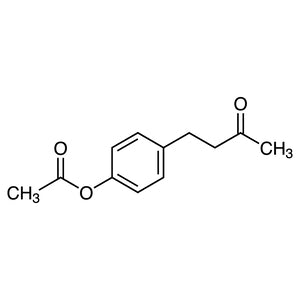
- TCI A2368 3572-06-3 4-(4-Acetoxyphenyl)-2-butanone
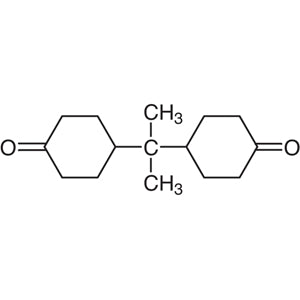
- TCI B1672 7418-16-8 2,2-Bis(4-oxocyclohexyl)propane
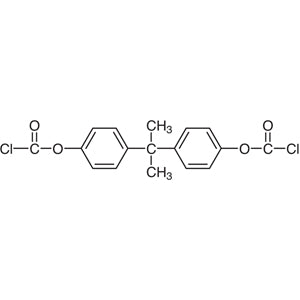
- TCI B1335 2024-88-6 2,2-Bis(4-chloroformyloxyphenyl)propane
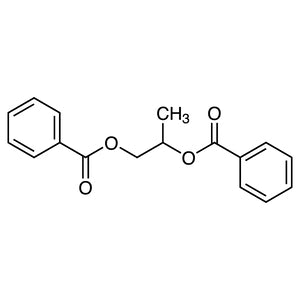
- TCI P3051 19224-26-1 Propane-1,2-diyl Dibenzoate
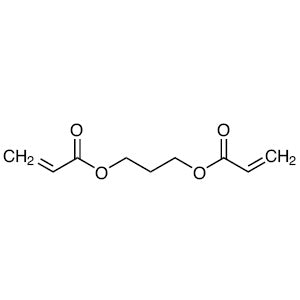
- TCI P2898 24493-53-6 Propane-1,3-diyl Diacrylate (stabilized with MEHQ)
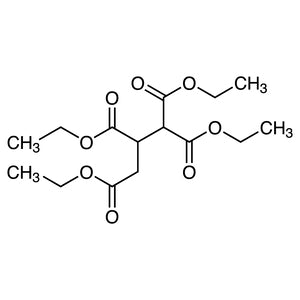
- TCI P0487 635-03-0 Tetraethyl Propane-1,1,2,3-tetracarboxylate
- Bioactive Compound Synthesis: This compound is ideal for synthesizing bioactive molecules due to its reactivity and structural adaptability, allowing for the creation of compounds with potential pharmaceutical applications.
- Organic Material Development: Its ability to participate in coupling reactions makes it a valuable tool in the development of new organic materials with tailored properties.
- Academic Research: Used extensively in university laboratories for teaching and research, it supports the training of students in synthetic organic chemistry techniques.
- Pharmaceutical Research: Its role in the synthesis of complex organic structures aligns with the needs of pharmaceutical research, aiding in the design of drug candidates.
- Industrial Chemical Processes: It is applied in industrial settings where controlled chemical modifications of aromatic structures are required for the production of specialty chemicals.
| Brand | TCI |
|---|---|
| CAS number | 10192-62-8 |
| Molecular formula | — |
| Purity | — |
| Category | Chemistry > Building Blocks > Non-Heterocyclic Building Blocks |
| Pack sizes | Available in various quantities to suit different laboratory needs |
| Physical form | Solid, typically in crystalline or powder form |
| Storage | Store in a cool, dry place away from direct sunlight and moisture |
This compound should be stored in a cool, dry environment to maintain its stability and prevent degradation. It is recommended to use airtight containers to minimize exposure to moisture and air, which can affect its chemical integrity. Proper labeling of storage containers is essential to ensure safe handling and prevent accidental use. Laboratory personnel should wear appropriate personal protective equipment when handling the compound to avoid direct contact. Regular monitoring of storage conditions is advised to maintain optimal chemical properties. The compound should not be stored near incompatible materials to ensure safety in the laboratory setting.
—
Produk Terkait
-
4-(4-Acetoxyphenyl)-2-butanone TCI A2368
Regular price Rp 1.351.350,00Regular priceRp 960.750,00Sale price Rp 1.351.350,00 -
2,2-Bis(4-oxocyclohexyl)propane TCI B1672
Regular price From Rp 4.743.900,00Regular priceRp 3.332.700,00Sale price From Rp 4.743.900,00 -
2,2-Bis(4-chloroformyloxyphenyl)propane TCI B1335
Regular price From Rp 530.250,00Regular priceRp 386.400,00Sale price From Rp 530.250,00 -
Propane-1,2-diylDibenzoate TCI P3051
Regular price From Rp 2.702.700,00Regular priceRp 1.905.750,00Sale price From Rp 2.702.700,00 -
Propane-1,3-diylDiacrylate(stabilizedwithMEHQ) TCI P2898
Regular price From Rp 2.227.050,00Regular priceRp 1.557.150,00Sale price From Rp 2.227.050,00 -
TetraethylPropane-1,1,2,3-tetracarboxylate TCI P0487
Regular price Rp 2.571.450,00Regular priceRp 1.813.350,00Sale price Rp 2.571.450,00 -
Propane-1,3-diylDiacetate TCI D6083
Regular price From Rp 2.466.450,00Regular priceRp 1.724.100,00Sale price From Rp 2.466.450,00 -
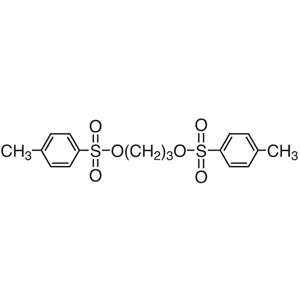
1,3-Bis(tosyloxy)propane TCI B1875
Regular price From Rp 689.850,00Regular priceRp 481.950,00Sale price From Rp 689.850,00