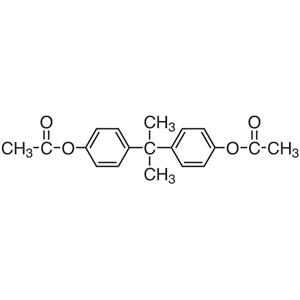
Propane-1,3-diyl Diacetate is a chemical compound widely used as a foundational building block in organic synthesis. It serves as a versatile intermediate in laboratory settings, enabling the creation of more complex organic molecules through various chemical reactions. This compound is particularly valuable for its ability to participate in reactions such as hydrolysis, esterification, and substitution, allowing chemists to modify its structure to suit specific synthetic needs. Its role in the laboratory is critical for researchers working on the development of new compounds in multiple scientific fields.
The compound is preferred due to its stable molecular structure and high reactivity, which facilitate efficient chemical transformations. Its solubility in common organic solvents like ethyl acetate and ethanol makes it easy to handle and integrate into a wide range of experimental protocols. These properties make it a reliable and effective choice for laboratory use, especially in environments where precision and reproducibility are essential. Its chemical stability ensures that it remains consistent under various reaction conditions, enhancing the reliability of experimental outcomes.
In Indonesian laboratories, Propane-1,3-diyl Diacetate is extensively used in organic chemistry research, particularly in pharmaceutical, material science, and industrial chemistry applications. It is a key component in the synthesis of various compounds, contributing to the development of new drugs, polymers, and functional materials. Its widespread use highlights its importance as a fundamental reagent in both academic and industrial research settings.
- Organic synthesis is a key application where Propane-1,3-diyl Diacetate is used to build complex molecules through esterification and hydrolysis reactions.
- Pharmaceutical research benefits from its role in the development of new drug compounds, as it can be modified to create various functional groups.
- Material science applications leverage its reactivity to create polymers and other advanced materials with specific properties.
- Industrial chemistry uses it as a building block for the production of specialty chemicals and intermediates.
- Analytical chemistry employs it as a standard in chromatographic and spectroscopic analyses due to its well-defined chemical properties.
| Brand | TCI |
|---|---|
| CAS number | 628-66-0 |
| Molecular formula | — |
| Purity | — |
| Category | Chemistry > Building Blocks > Non-Heterocyclic Building Blocks |
| Pack sizes | Available in various quantities as per standard laboratory supply |
| Physical form | Liquid |
| Storage | Store in a cool, dry place away from direct sunlight |
Propane-1,3-diyl Diacetate should be stored in a cool, dry environment to maintain its chemical stability. It is recommended to keep it in a sealed container to prevent exposure to moisture and air, which could affect its reactivity. Suitable containers for storage include glass or high-density polyethylene bottles, which are resistant to chemical degradation. In laboratory settings, it is important to handle the compound with care, using appropriate personal protective equipment such as gloves and goggles. Proper ventilation should be ensured when working with this material to minimize inhalation risks. Its reactivity and solubility in organic solvents require careful handling to ensure safe and effective use in chemical processes.
—
Produk Terkait
-
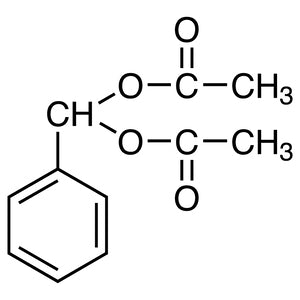
BenzalDiacetate TCI B0010
Regular price From Rp 1.776.600,00Regular price -
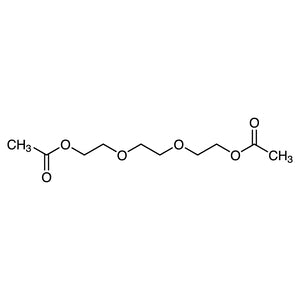
TriethyleneGlycolDiacetate TCI T0923
Regular price From Rp 769.650,00Regular price -
EthyleneGlycolDiacetate TCI E0109
Regular price From Rp 505.050,00Regular price -
1,1-EthanediolDiacetate TCI E0030
Regular price Rp 3.630.900,00Regular price -
DiethyleneGlycolDiacetate TCI D1230
Regular price From Rp 980.700,00Regular price -
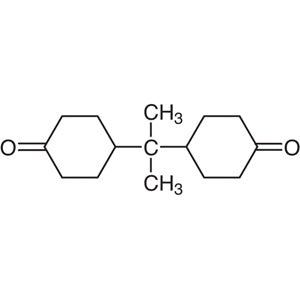
2,2-Bis(4-oxocyclohexyl)propane TCI B1672
Regular price From Rp 4.691.400,00Regular price -
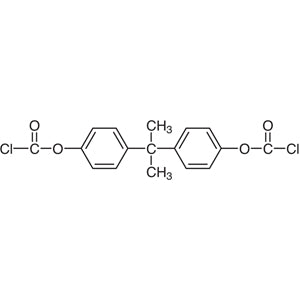
2,2-Bis(4-chloroformyloxyphenyl)propane TCI B1335
Regular price From Rp 477.750,00Regular price -
2,2-Bis(4-acetoxyphenyl)propane TCI B1286
Regular price Rp 1.035.300,00Regular price