2,2-Bis(4-oxocyclohexyl)propane is a chemical compound widely used as a building block in the synthesis of complex molecules. It plays a crucial role in laboratory settings by enabling the formation of cyclic and branched structures through various chemical reactions. This compound is essential for researchers aiming to develop new compounds in fields such as pharmacology, materials science, and organic chemistry. Its versatility makes it a valuable tool for experimental work in both academic and industrial laboratories.
The compound is known for its chemical stability and moderate reactivity, which allows it to participate in a range of reactions, including substitution, addition, and coupling reactions. These properties make it a preferred choice for chemists seeking reliable and predictable results in their experiments. Its molecular structure provides the necessary framework for creating functional compounds with specific applications. The compound's ability to undergo multiple reaction pathways enhances its utility in synthetic chemistry.
In Indonesian laboratories, 2,2-Bis(4-oxocyclohexyl)propane is commonly used in scientific research and educational settings. It is a key component in experiments related to organic synthesis, drug development, and material innovation. Its availability and reliability make it a staple in both research institutions and academic laboratories across Indonesia. Its role in advancing chemical research is well recognized among scientists and educators.
Related TCI products
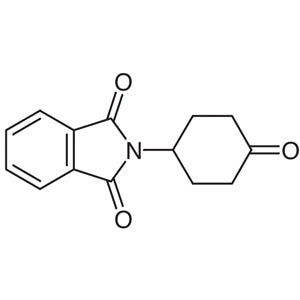
- TCI O0365 104618-32-8 N-(4-Oxocyclohexyl)phthalimide
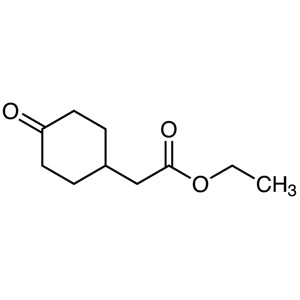
- TCI E1375 58012-34-3 Ethyl 2-(4-Oxocyclohexyl)acetate
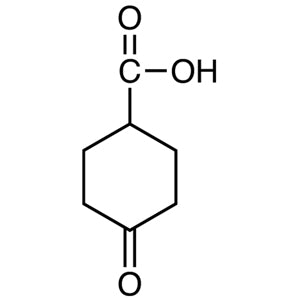
- TCI O0474 874-61-3 4-Oxocyclohexanecarboxylic Acid
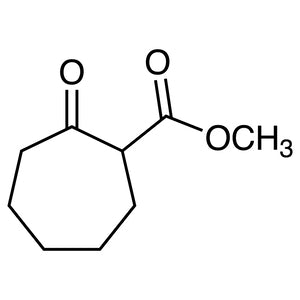
- TCI M3625 52784-32-4 Methyl 2-Oxocycloheptane-1-carboxylate
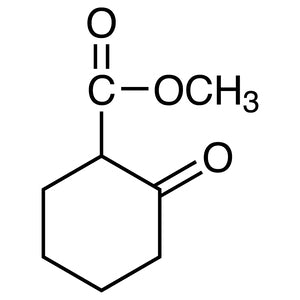
- TCI M2316 41302-34-5 Methyl 2-Oxocyclohexanecarboxylate
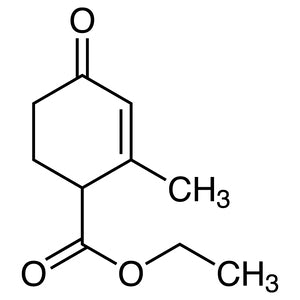
- TCI E1485 487-51-4 Ethyl 2-Methyl-4-oxocyclohex-2-ene-1-carboxylate
- Organic synthesis experiments benefit from its ability to form complex cyclic structures, aiding in the creation of new compounds.
- Drug development research utilizes it as a building block for synthesizing pharmaceutical intermediates with specific functional groups.
- Material science studies leverage its reactivity to develop novel polymers and functional materials with tailored properties.
- Educational institutions use it to teach fundamental principles of organic chemistry and synthetic reaction mechanisms.
- Research on branched molecular structures relies on its capacity to participate in multiple reaction pathways, enhancing synthetic versatility.
| Brand | TCI |
|---|---|
| CAS number | 7418-16-8 |
| Molecular formula | — |
| Purity | — |
| Category | Chemistry > Building Blocks > Non-Heterocyclic Building Blocks |
| Pack sizes | Available in various quantities as per supplier specifications |
| Physical form | Solid or liquid, depending on the specific product variant |
| Storage | Store in a cool, dry place away from direct sunlight and moisture |
This compound should be stored in a cool, dry environment, away from direct sunlight and moisture. It is recommended to use airtight containers to prevent exposure to air and humidity. Proper ventilation is essential when handling the material to minimize inhalation risks. Avoid contact with skin and eyes, and ensure appropriate personal protective equipment is worn during handling. Keep the compound away from incompatible substances to prevent chemical reactions. Regularly inspect storage conditions to maintain the integrity and safety of the material.
—
Produk Terkait
-
N-(4-Oxocyclohexyl)phthalimide TCI O0365
Regular price From Rp 1.723.050,00Regular priceRp 1.220.100,00Sale price From Rp 1.723.050,00 -
Ethyl2-(4-Oxocyclohexyl)acetate TCI E1375
Regular price From Rp 1.326.150,00Regular priceRp 942.900,00Sale price From Rp 1.326.150,00 -
4-OxocyclohexanecarboxylicAcid TCI O0474
Regular price Rp 3.815.700,00Regular priceRp 2.683.800,00Sale price Rp 3.815.700,00 -
Methyl2-Oxocycloheptane-1-carboxylate TCI M3625
Regular price Rp 2.411.850,00Regular priceRp 1.702.050,00Sale price Rp 2.411.850,00 -
Methyl2-Oxocyclohexanecarboxylate TCI M2316
Regular price Rp 2.411.850,00Regular priceRp 1.702.050,00Sale price Rp 2.411.850,00 -
Ethyl2-Methyl-4-oxocyclohex-2-ene-1-carboxylate TCI E1485
Regular price From Rp 1.272.600,00Regular priceRp 905.100,00Sale price From Rp 1.272.600,00 -
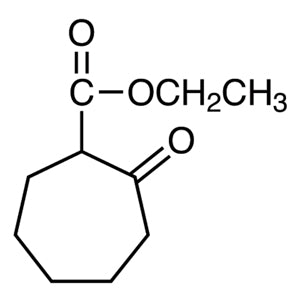
Ethyl2-Oxocycloheptanecarboxylate TCI E1056
Regular price From Rp 2.147.250,00Regular priceRp 1.517.250,00Sale price From Rp 2.147.250,00 -
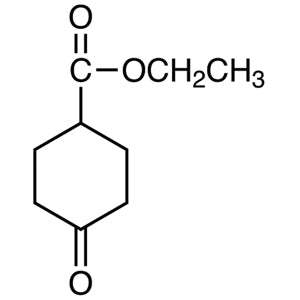
Ethyl4-Oxocyclohexanecarboxylate TCI C1530
Regular price From Rp 980.700,00Regular priceRp 701.400,00Sale price From Rp 980.700,00