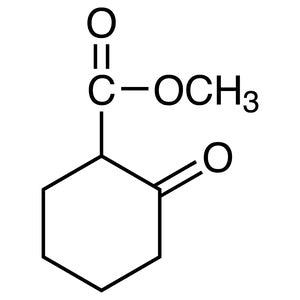
TCI M2316 41302-34-5 Methyl 2-Oxocyclohexanecarboxylate is a chemical compound widely used in organic synthesis as a building block. It serves as a versatile intermediate in the creation of complex organic molecules, particularly those involving carbon-carbon bond formation or cyclic structure assembly. This compound is essential for researchers aiming to construct esters or carboxylic acid derivatives, offering a reliable foundation for various synthetic pathways. Its role in laboratory settings is critical for advancing chemical research and development.
The compound is valued for its stable molecular structure and predictable chemical behavior, which simplifies the synthesis process. Its non-heterocyclic nature ensures that it does not interfere with the reactivity of other molecules during chemical reactions, making it ideal for controlled laboratory environments. Additionally, its high purity and solid form allow for precise measurements and consistent results, which are essential in scientific experiments requiring accuracy and reproducibility.
In Indonesian laboratories, this compound is commonly used in organic chemistry research, especially in academic institutions and research centers. It is frequently employed in projects focused on the synthesis of new compounds or structural modifications. Its availability and reliability make it a preferred choice for chemists working on a wide range of chemical applications.
Related TCI products
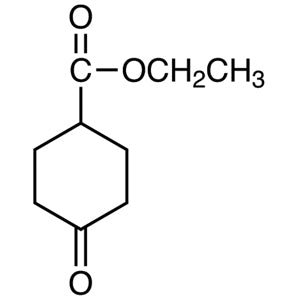
- TCI C1530 17159-79-4 Ethyl 4-Oxocyclohexanecarboxylate
- TCI C0913 1655-07-8 Ethyl 2-Oxocyclohexanecarboxylate
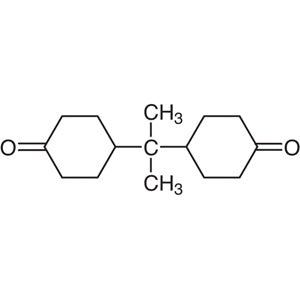
- TCI B1672 7418-16-8 2,2-Bis(4-oxocyclohexyl)propane
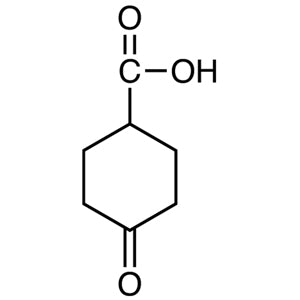
- TCI O0474 874-61-3 4-Oxocyclohexanecarboxylic Acid
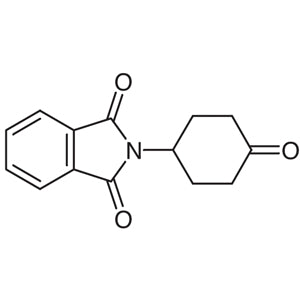
- TCI O0365 104618-32-8 N-(4-Oxocyclohexyl)phthalimide
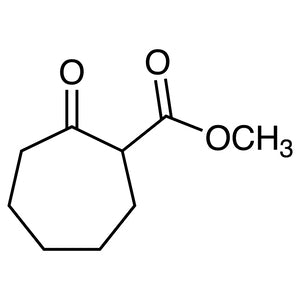
- TCI M3625 52784-32-4 Methyl 2-Oxocycloheptane-1-carboxylate
- Organic synthesis projects benefit from this compound due to its role in forming ester and carboxylic acid derivatives, enabling the creation of complex molecular structures.
- It is ideal for cyclic structure assembly reactions, where its stability and predictable behavior support the formation of carbon-carbon bonds without unwanted side reactions.
- In academic research, it is used for teaching and experimental purposes, providing students with a reliable building block for learning synthetic techniques.
- It supports the development of new chemical compounds, allowing researchers to explore novel synthetic pathways and molecular modifications.
- Its non-heterocyclic nature makes it suitable for reactions where maintaining the integrity of other functional groups is crucial.
| Brand | TCI |
|---|---|
| CAS number | 41302-34-5 |
| Molecular formula | — |
| Purity | — |
| Category | Chemistry > Building Blocks > Non-Heterocyclic Building Blocks |
| Pack sizes | — |
| Physical form | Solid |
| Storage | Store in a cool, dry place away from light and moisture |
This compound should be stored in a cool, dry environment, away from direct light and moisture to maintain its stability and purity. It is recommended to use airtight containers to prevent exposure to air and humidity, which could affect its chemical integrity. Due to its solid form, it is best stored in sealed containers to avoid contamination. In laboratory settings, it should be handled with care, using appropriate personal protective equipment to ensure safety. Regular monitoring of storage conditions is advised to ensure optimal preservation and usability for experimental purposes.
—
Produk Terkait
-
Ethyl4-Oxocyclohexanecarboxylate TCI C1530
Regular price From Rp 928.200,00Regular price -
Ethyl2-Oxocyclohexanecarboxylate TCI C0913
Regular price From Rp 2.227.050,00Regular price -
2,2-Bis(4-oxocyclohexyl)propane TCI B1672
Regular price From Rp 4.691.400,00Regular price -
4-OxocyclohexanecarboxylicAcid TCI O0474
Regular price Rp 3.763.200,00Regular price -
N-(4-Oxocyclohexyl)phthalimide TCI O0365
Regular price From Rp 1.670.550,00Regular price -
Methyl2-Oxocycloheptane-1-carboxylate TCI M3625
Regular price Rp 2.359.350,00Regular price -
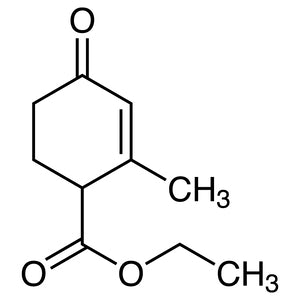
Ethyl2-Methyl-4-oxocyclohex-2-ene-1-carboxylate TCI E1485
Regular price From Rp 1.220.100,00Regular price -
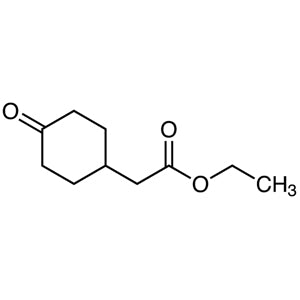
Ethyl2-(4-Oxocyclohexyl)acetate TCI E1375
Regular price From Rp 1.273.650,00Regular price