1,3-Bis(tosyloxy)propane is a chemical compound widely used as a building block in the synthesis of complex organic molecules. This versatile reagent plays a crucial role in laboratory settings by enabling various chemical reactions, particularly substitution and electrophilic reactions. Its molecular structure provides a flexible platform for further functionalization, making it an essential component in synthetic chemistry. In the context of Indonesian laboratories, this compound is frequently employed in both academic and research environments to support the development of new compounds and the testing of chemical reactivity.
The compound is known for its high reactivity, especially in substitution and nucleophilic reactions, which makes it a preferred choice for chemists. Its stability under certain conditions allows for controlled use in various experimental setups. The ability to participate in reactions such as Friedel-Crafts, esterification, and nucleophilic substitution makes it a valuable tool for creating complex molecular structures. These properties ensure its widespread use in both educational and industrial research settings.
In Indonesian laboratories, 1,3-Bis(tosyloxy)propane is commonly used in organic chemistry research, particularly in universities and research institutions. It is a key reagent in the synthesis of heterocyclic and non-heterocyclic compounds, supporting the development of new materials and pharmaceuticals. Its role in experimental processes such as reactivity testing and compound development highlights its importance in the chemical research landscape of Indonesia.
Related TCI products
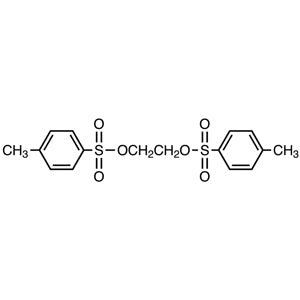
- TCI E0438 6315-52-2 1,2-Bis(tosyloxy)ethane
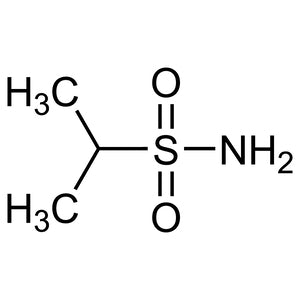
- TCI P3324 81363-76-0 Propane-2-sulfonamide
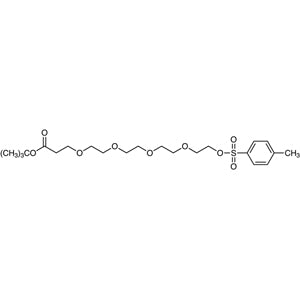
- TCI B5902 581065-94-3 tert-Butyl 1-(Tosyloxy)-3,6,9,12-tetraoxapentadecan-15-oate
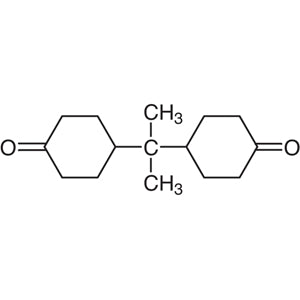
- TCI B1672 7418-16-8 2,2-Bis(4-oxocyclohexyl)propane
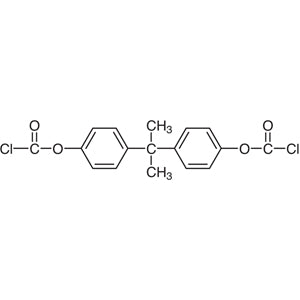
- TCI B1335 2024-88-6 2,2-Bis(4-chloroformyloxyphenyl)propane
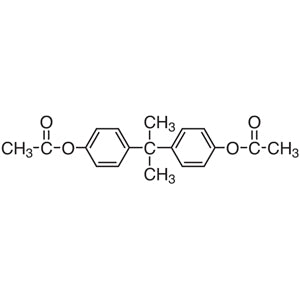
- TCI B1286 10192-62-8 2,2-Bis(4-acetoxyphenyl)propane
- Organic synthesis of heterocyclic and non-heterocyclic compounds due to its reactivity and structural versatility.
- Facilitation of nucleophilic substitution reactions in the development of complex molecular structures.
- Use in Friedel-Crafts reactions for the formation of aromatic compounds through electrophilic substitution.
- Application in esterification processes to create ester derivatives for various chemical applications.
- Support for reactivity testing in research and educational settings to understand chemical behavior.
| Brand | TCI |
|---|---|
| CAS number | 5469-66-9 |
| Molecular formula | — |
| Purity | — |
| Category | Chemistry > Building Blocks > Non-Heterocyclic Building Blocks |
| Pack sizes | Available in various quantities as per supplier specifications |
| Physical form | Liquid |
| Storage | Store in a cool, dry place away from light and incompatible substances |
This compound should be stored in a cool, dry place, away from direct sunlight and sources of heat. It is recommended to use airtight containers to prevent contamination and maintain its chemical integrity. Due to its reactivity, it should be kept separate from strong oxidizing agents and incompatible materials. Proper ventilation is essential when handling the compound to minimize exposure. Laboratory personnel should wear appropriate personal protective equipment, including gloves and safety goggles, to ensure safe handling. The compound should not be stored near flammable materials to reduce potential hazards. Regular inspection of storage conditions is advised to maintain optimal safety standards.
—
Produk Terkait
-
1,2-Bis(tosyloxy)ethane TCI E0438
Regular price From Rp 2.837.100,00Regular priceRp 1.983.450,00Sale price From Rp 2.837.100,00 -
Propane-2-sulfonamide TCI P3324
Regular price From Rp 1.618.050,00Regular priceRp 1.146.600,00Sale price From Rp 1.618.050,00 -
tert-Butyl1-(Tosyloxy)-3,6,9,12-tetraoxapentadecan-15-oate TCI B5902
Regular price From Rp 5.592.300,00Regular priceRp 3.925.950,00Sale price From Rp 5.592.300,00 -
2,2-Bis(4-oxocyclohexyl)propane TCI B1672
Regular price From Rp 4.743.900,00Regular priceRp 3.332.700,00Sale price From Rp 4.743.900,00 -
2,2-Bis(4-chloroformyloxyphenyl)propane TCI B1335
Regular price From Rp 530.250,00Regular priceRp 386.400,00Sale price From Rp 530.250,00 -
2,2-Bis(4-acetoxyphenyl)propane TCI B1286
Regular price Rp 1.035.300,00Regular priceRp 723.450,00Sale price Rp 1.035.300,00 -
2,2-Bis(4-hydroxycyclohexyl)propane(mixtureofisomers) TCI B0928
Regular price From Rp 557.550,00Regular priceRp 405.300,00Sale price From Rp 557.550,00 -
2,2-Bis(4-hydroxyphenyl)propane TCI B0494
Regular price From Rp 477.750,00Regular priceRp 333.900,00Sale price From Rp 477.750,00