2,2-Bis(4-hydroxyphenyl)propane, with CAS number 80-05-7, is a chemical compound widely used in organic synthesis. This material serves as a fundamental building block in laboratory settings, playing a crucial role in the development of various chemical structures. Its presence is essential in the production of polymers such as polycarbonates, which are known for their mechanical strength and heat resistance. In the laboratory, it is frequently employed as a starting material for chemical reactions requiring stable phenolic structures.
The chemical properties of 2,2-Bis(4-hydroxyphenyl)propane make it a preferred choice for numerous applications. Its symmetric molecular structure and good solubility in organic solvents facilitate efficient processing and chemical reactions. The compound also exhibits high thermal stability, making it suitable for use in high-temperature laboratory conditions. These characteristics contribute to its versatility, allowing it to be used in the synthesis of heterocyclic compounds and polymers.
In Indonesian laboratories, 2,2-Bis(4-hydroxyphenyl)propane is extensively utilized in chemical research, particularly in the fields of polymer science, pharmaceuticals, and materials engineering. It is a key component in the development of new products and the improvement of existing synthesis processes. Many research institutions and universities rely on this compound to advance their scientific work and innovation.
TCI brochures (PDF)
- Monomers 2025-05-28 · p. 23
Related TCI products
- TCI D3223 14868-03-2 1,1-Dichloro-2,2-bis(4-hydroxyphenyl)ethylene
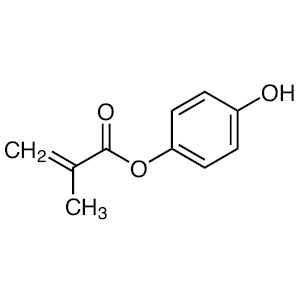
- TCI H1790 31480-93-0 4-Hydroxyphenyl Methacrylate (stabilized with HQ)
- TCI B0928 80-04-6 2,2-Bis(4-hydroxycyclohexyl)propane (mixture of isomers)
- TCI T0525 2465-93-2 1,2,3-Tris(2-cyanoethoxy)propane
- TCI H1846 4704-94-3 2-(Hydroxymethyl)propane-1,3-diol
- TCI C3659 104-29-0 3-(4-Chlorophenoxy)propane-1,2-diol
- Polymer synthesis for polycarbonate production due to its role as a key monomer in forming durable and heat-resistant materials.
- Organic chemistry research for the development of heterocyclic compounds, leveraging its stable phenolic structure and reactivity.
- Material science experiments where thermal stability and chemical resistance are critical factors in testing new composite materials.
- Pharmaceutical research for the synthesis of drug compounds that require phenolic functionalities for biological activity.
- Industrial chemical processes in research and development, where consistent and reliable chemical building blocks are essential for reproducibility.
| Brand | TCI |
|---|---|
| CAS number | 80-05-7 |
| Molecular formula | — |
| Purity | — |
| Category | Chemistry > Building Blocks > Non-Heterocyclic Building Blocks |
| Pack sizes | Available in various quantities as per standard laboratory supply options |
| Physical form | Solid powder |
| Storage | Store in a cool, dry place away from direct sunlight and moisture |
This compound should be stored in a cool, dry environment, away from direct sunlight and moisture to maintain its chemical integrity. It is recommended to use airtight containers made of materials such as polyethylene or glass to prevent contamination and exposure to air. Due to its chemical nature, it should be handled with appropriate personal protective equipment, including gloves and safety goggles, to ensure laboratory safety. Avoid contact with incompatible substances and ensure proper ventilation in the workspace. Regular monitoring of storage conditions is advised to maintain the quality and effectiveness of the material in laboratory applications.
—
Produk Terkait
-
1,1-Dichloro-2,2-bis(4-hydroxyphenyl)ethylene TCI D3223
Regular price Rp 6.943.650,00Regular priceRp 4.855.200,00Sale price Rp 6.943.650,00 -
4-HydroxyphenylMethacrylate(stabilizedwithHQ) TCI H1790
Regular price From Rp 1.881.600,00Regular priceRp 1.315.650,00Sale price From Rp 1.881.600,00 -
2,2-Bis(4-hydroxycyclohexyl)propane(mixtureofisomers) TCI B0928
Regular price From Rp 557.550,00Regular priceRp 405.300,00Sale price From Rp 557.550,00 -
1,2,3-Tris(2-cyanoethoxy)propane TCI T0525
Regular price From Rp 3.763.200,00Regular priceRp 2.647.050,00Sale price From Rp 3.763.200,00 -
2-(Hydroxymethyl)propane-1,3-diol TCI H1846
Regular price From Rp 1.961.400,00Regular priceRp 1.387.050,00Sale price From Rp 1.961.400,00 -
3-(4-Chlorophenoxy)propane-1,2-diol TCI C3659
Regular price From Rp 557.550,00Regular priceRp 405.300,00Sale price From Rp 557.550,00 -
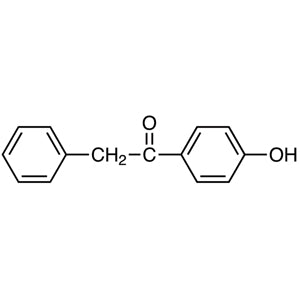
Benzyl4-HydroxyphenylKetone TCI B4722
Regular price From Rp 1.087.800,00Regular priceRp 775.950,00Sale price From Rp 1.087.800,00 -
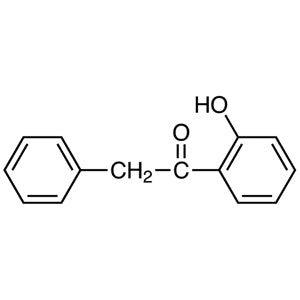
Benzyl2-HydroxyphenylKetone TCI B4673
Regular price From Rp 2.147.250,00Regular priceRp 1.517.250,00Sale price From Rp 2.147.250,00