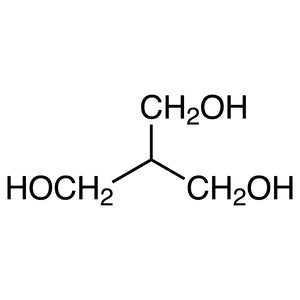
2-(Hydroxymethyl)propane-1,3-diol is a versatile chemical compound widely used in laboratory settings for the synthesis of complex organic molecules. This compound serves as a fundamental building block in chemical research, enabling the creation of a wide range of functionalized compounds through various chemical reactions. Its unique structure allows it to participate in substitution, addition, and condensation reactions, making it an essential tool for chemists working in both academic and industrial environments.
The compound’s reactivity is primarily due to the presence of hydroxyl groups at both ends of its molecular structure. These hydroxyl groups provide multiple reactive sites, allowing the compound to interact with a variety of reagents, including acids, bases, and other functionalized compounds. This reactivity makes it a preferred choice for applications requiring structural modifications or functional group transformations. Its ability to form stable intermediates in synthetic pathways enhances its utility in organic synthesis.
In Indonesian laboratories, 2-(Hydroxymethyl)propane-1,3-diol is commonly used in chemical research and development. It supports both fundamental and applied studies, contributing to the advancement of organic synthesis techniques. Its availability and reliability make it a valuable resource for researchers aiming to explore new chemical structures and reactions. Institutions across Indonesia rely on this compound for its consistent performance and compatibility with various synthetic protocols.
- Organic Synthesis: This compound is ideal for constructing complex organic molecules due to its reactive hydroxyl groups, enabling multiple reaction pathways.
- Functional Group Modification: Its hydroxyl groups allow for easy substitution and modification, making it suitable for creating new functionalized compounds.
- Polymer Chemistry: The compound can act as a cross-linking agent in polymer synthesis, enhancing the structural properties of the resulting materials.
- Catalytic Reactions: Its reactivity supports catalytic processes, where it can serve as a reactant or intermediate in various chemical transformations.
- Analytical Chemistry: It is used as a standard or reagent in analytical procedures, aiding in the identification and quantification of other compounds.
| Brand | TCI |
|---|---|
| CAS number | 4704-94-3 |
| Molecular formula | — |
| Purity | — |
| Category | Chemistry > Building Blocks > Non-Heterocyclic Building Blocks |
| Pack sizes | Available in various quantities as per standard laboratory supply |
| Physical form | Liquid |
| Storage | Store in a cool, dry place away from direct sunlight |
This compound should be stored in a cool, dry environment, away from direct sunlight and sources of heat. It is recommended to use airtight containers to prevent moisture absorption and contamination. Due to its reactive nature, it should be handled with care, using appropriate personal protective equipment such as gloves and safety goggles. It is important to ensure proper ventilation in the laboratory when working with this compound to minimize exposure. Avoid contact with incompatible substances, and always follow standard laboratory safety protocols to maintain a safe working environment.
—
Produk Terkait
-
TCI B5774 5,10-Bis(4,4,5,5-tetramethyl-1,3,2-dioxaborolan-2-yl)naphtho[1,2-c:5,6-c']bis([1,2,5]oxadiazole)
Regular price Rp 10.255.350,00Regular price -
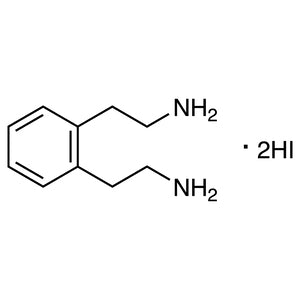
Dihydroiodide TCI B6569
Regular price From Rp 1.936.200,00Regular price -
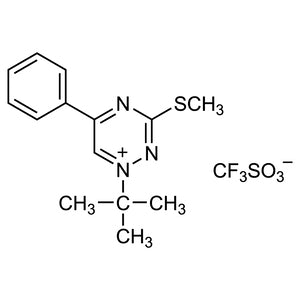
Trifluoromethanesulfonate TCI B7003
Regular price From Rp 1.936.200,00Regular price
![5,10-Bis(4,4,5,5-tetramethyl-1,3,2-dioxaborolan-2-yl)naphtho[1,2-c:5,6-c']bis([1,2,5]oxadiazole) - TCI B5774 - AMI Scientific](http://amiscientific.com/cdn/shop/files/TCI2510B5774.jpg?v=1769180228&width=533)