2,2-Bis(4-hydroxycyclohexyl)propane (mixture of isomers), with CAS number 80-04-6, is a chemical compound widely used as a building block in the synthesis of complex organic molecules. This compound serves as a foundational element in chemical research, offering versatility and adaptability in various synthetic pathways. Its molecular structure allows for functional group modifications, making it a valuable resource for chemists seeking to develop new materials or pharmaceutical compounds. As a key intermediate, it plays a crucial role in advancing chemical innovation and experimentation in both academic and industrial settings.
The compound is known for its stability under controlled conditions and its ability to react with a range of functional groups, which enhances its utility in diverse chemical applications. Its mixture of isomers contributes to structural variability, enabling researchers to explore multiple reaction outcomes and optimize synthetic processes. This flexibility, combined with its chemical reactivity, makes it a preferred choice for laboratories aiming to expand their synthetic capabilities. The compound’s predictable behavior in different reaction environments further supports its use in both laboratory and industrial contexts.
In Indonesian laboratories, this compound is commonly used in organic chemistry research, material development, and industrial chemical applications. Its availability in various packaging sizes makes it suitable for both small-scale and medium-scale experiments, supporting local research initiatives. The compound’s role in the synthesis of complex molecules underscores its importance in advancing scientific discovery and innovation within the chemical sciences.
Related TCI products
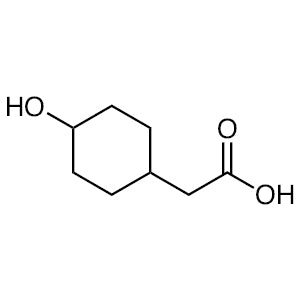
- TCI H1753 99799-09-4 2-(4-Hydroxycyclohexyl)acetic Acid (cis- and trans- mixture)
- TCI V0195 106-87-6 3-(Oxiran-2-yl)-7-oxabicyclo[410]heptane (mixture of isomers)
- TCI B5497 17385-36-3 [1,1'-Bi(cyclohexane)]-2,2'-diol (mixture of isomers)
- TCI B1621 20601-38-1 4,4'-Bicyclohexanol (mixture of isomers)
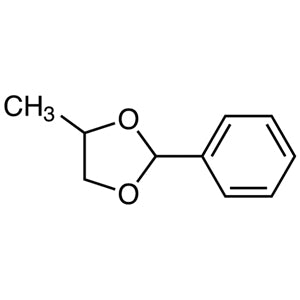
- TCI B1094 2568-25-4 4-Methyl-2-phenyl-1,3-dioxolane (mixture of isomers)
- TCI T0523 24800-44-0 Tripropylene Glycol (mixture of isomers)
- Used in organic synthesis for creating complex molecular structures due to its adaptable chemical framework.
- Applied in pharmaceutical research for developing new drug compounds through structural modification.
- Employed in polymer science for synthesizing advanced materials with tailored properties.
- Utilized in industrial chemistry for producing specialty chemicals and functional intermediates.
- Integrated into material development projects to design novel compounds with specific chemical functionalities.
| Brand | TCI |
|---|---|
| CAS number | 80-04-6 |
| Molecular formula | — |
| Purity | — |
| Category | Chemistry > Building Blocks > Non-Heterocyclic Building Blocks |
| Pack sizes | Available in various sizes to suit different laboratory needs |
| Physical form | Liquid |
| Storage | Store in a cool, dry place away from direct sunlight |
This compound should be stored in a cool, dry environment, away from direct sunlight and sources of heat. It is recommended to use airtight containers made of materials compatible with the chemical properties of the compound to prevent contamination and degradation. Proper labeling of storage containers is essential for safety and traceability. In laboratory settings, it is important to handle the compound with appropriate personal protective equipment, such as gloves and safety goggles, to minimize exposure. Regular inspection of storage conditions ensures the compound remains stable and suitable for use in chemical experiments. Maintaining a controlled environment helps preserve the compound's integrity and ensures its effectiveness in laboratory applications.
—
Produk Terkait
-
2-(4-Hydroxycyclohexyl)aceticAcid(cis-andtrans-mixture) TCI H1753
Regular price From Rp 1.113.000,00Regular priceRp 793.800,00Sale price From Rp 1.113.000,00 -
3-(Oxiran-2-yl)-7-oxabicyclo[410]heptane(mixtureofisomers) TCI V0195
Regular price From Rp 3.870.300,00Regular priceRp 2.705.850,00Sale price From Rp 3.870.300,00 -
[1,1'-Bi(cyclohexane)]-2,2'-diol(mixtureofisomers) TCI B5497
Regular price Rp 6.386.100,00Regular priceRp 4.481.400,00Sale price Rp 6.386.100,00 -
4,4'-Bicyclohexanol(mixtureofisomers) TCI B1621
Regular price From Rp 1.618.050,00Regular priceRp 1.146.600,00Sale price From Rp 1.618.050,00 -
4-Methyl-2-phenyl-1,3-dioxolane(mixtureofisomers) TCI B1094
Regular price Rp 530.250,00Regular priceRp 386.400,00Sale price Rp 530.250,00 -
TripropyleneGlycol(mixtureofisomers) TCI T0523
Regular price From Rp 530.250,00Regular priceRp 386.400,00Sale price From Rp 530.250,00 -
2,2,4,4-Tetramethyl-1,3-cyclobutanediol(mixtureofisomers) TCI T0145
Regular price From Rp 2.279.550,00Regular priceRp 1.609.650,00Sale price From Rp 2.279.550,00 -
Diglycerol(mixtureofisomers) TCI T0119
Regular price From Rp 848.400,00Regular priceRp 609.000,00Sale price From Rp 848.400,00