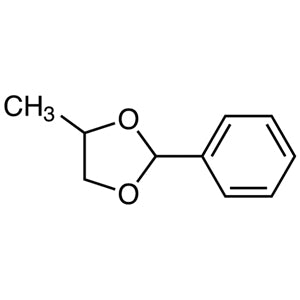
Tripropylene Glycol (TPG), with CAS number 24800-44-0, is a widely used chemical compound in laboratory settings. As a key component of non-heterocyclic building blocks, TPG plays a vital role in the synthesis of complex chemical structures. Its stable molecular structure and versatile chemical properties make it an essential material for researchers across various scientific disciplines. In the laboratory, TPG is valued for its ability to interact with a wide range of compounds without causing unwanted side reactions.
One of the main reasons TPG is preferred is its excellent solubility in both organic solvents and water. This property makes it ideal for use as a solvent or reaction medium in chemical processes. Additionally, TPG is non-volatile, which simplifies its handling during heating and cooling procedures. Its non-toxic and odorless nature further enhances its safety profile, making it suitable for use in both academic and industrial laboratory environments.
In Indonesian laboratories, TPG is commonly used in chemical synthesis, analytical procedures, and industrial chemical production. Its availability and reliability make it a go-to material for researchers and technicians. Due to its stability and compatibility with various compounds, TPG is a fundamental component in many laboratory workflows, supporting both basic and advanced research activities.
Related TCI products
- TCI T0651 25498-49-1 Tripropylene Glycol Monomethyl Ether (mixture of isomer)
- TCI D1053 34590-94-8 Dipropylene Glycol Monomethyl Ether (mixture of isomers)
- TCI D0933 25265-71-8 Dipropylene Glycol (mixture of isomers)
- TCI V0195 106-87-6 3-(Oxiran-2-yl)-7-oxabicyclo[410]heptane (mixture of isomers)
- TCI B5497 17385-36-3 [1,1'-Bi(cyclohexane)]-2,2'-diol (mixture of isomers)
- TCI B1621 20601-38-1 4,4'-Bicyclohexanol (mixture of isomers)
- Chemical synthesis: TPG is widely used in the synthesis of complex organic compounds due to its stability and compatibility with various reagents.
- Solvent in analytical procedures: Its solubility in both water and organic solvents makes it an ideal choice for sample preparation and extraction.
- Industrial chemical production: TPG serves as a base material for the production of various industrial chemicals and polymers.
- Reaction medium in organic reactions: Its non-reactive nature allows it to act as a safe and effective medium for chemical reactions.
- Laboratory calibration and testing: TPG is used in the calibration of instruments and as a reference material in quality control processes.
| Brand | TCI |
|---|---|
| CAS number | 24800-44-0 |
| Molecular formula | — |
| Purity | — |
| Category | Chemistry > Building Blocks > Non-Heterocyclic Building Blocks |
| Pack sizes | Available in various quantities as per supplier specifications |
| Physical form | Liquid |
| Storage | Store in a cool, dry place away from direct sunlight |
Tripropylene Glycol should be stored in a cool, dry place away from direct sunlight to maintain its chemical stability. It is recommended to use sealed containers to prevent contamination and evaporation. As a non-volatile and non-toxic substance, TPG is generally safe to handle, but standard laboratory precautions should still be followed, such as wearing gloves and safety goggles. It should not be stored near incompatible materials or in areas with high heat sources. Proper labeling of containers is essential to ensure safe handling and prevent accidental exposure. Regular inspection of storage conditions is advised to maintain the integrity of the material over time.
—
Produk Terkait
-
TripropyleneGlycolMonomethylEther(mixtureofisomer) TCI T0651
Regular price From Rp 505.050,00Regular priceRp 368.550,00Sale price From Rp 505.050,00 -
DipropyleneGlycolMonomethylEther(mixtureofisomers) TCI D1053
Regular price From Rp 530.250,00Regular priceRp 386.400,00Sale price From Rp 530.250,00 -
DipropyleneGlycol(mixtureofisomers) TCI D0933
Regular price From Rp 530.250,00Regular priceRp 386.400,00Sale price From Rp 530.250,00 -
3-(Oxiran-2-yl)-7-oxabicyclo[410]heptane(mixtureofisomers) TCI V0195
Regular price From Rp 3.870.300,00Regular priceRp 2.705.850,00Sale price From Rp 3.870.300,00 -
[1,1'-Bi(cyclohexane)]-2,2'-diol(mixtureofisomers) TCI B5497
Regular price Rp 6.386.100,00Regular priceRp 4.481.400,00Sale price Rp 6.386.100,00 -
4,4'-Bicyclohexanol(mixtureofisomers) TCI B1621
Regular price From Rp 1.618.050,00Regular priceRp 1.146.600,00Sale price From Rp 1.618.050,00 -
4-Methyl-2-phenyl-1,3-dioxolane(mixtureofisomers) TCI B1094
Regular price Rp 530.250,00Regular priceRp 386.400,00Sale price Rp 530.250,00 -
2,2-Bis(4-hydroxycyclohexyl)propane(mixtureofisomers) TCI B0928
Regular price From Rp 557.550,00Regular priceRp 405.300,00Sale price From Rp 557.550,00