TCI T0119 Diglycerol (mixture of isomers) is a polyol formed by the condensation of two glycerol molecules joined through an ether bond. It is supplied as a mixture of isomers, so it contains several structural forms of diglycerol that differ in where the ether linkage sits between the two glycerol units. In the laboratory, diglycerol is a versatile non-heterocyclic building block. Its many hydroxyl groups can be esterified, etherified, or reacted with isocyanates. This makes it a practical starting point for preparing polyglycerol derivatives, nonionic surfactants, and additive compounds in formulation research.
Diglycerol is chosen mainly for its high polarity and because it carries more hydroxyl groups than glycerol. As a result, it dissolves well in water and other polar solvents and can retain moisture, which makes it useful as a humectant. The ether backbone at the centre of the molecule gives it relatively good chemical stability compared with polyols that contain ester linkages. Diglycerol is usually a viscous liquid, so it blends easily into liquid phases during synthesis and formulation work. Because it is a mixture of isomers, it is best suited to applications that depend on its overall functional properties rather than on one specific isomer.
In Indonesian laboratories, diglycerol is used in university research groups, industrial R&D departments, and formulation laboratories that work on polyol chemistry, surfactants, and moisture-retaining systems. Synthetic chemists use it as a scaffold for building polyglycerol esters and ethers. Formulation scientists use it to study humectancy, solubility, and how additives behave in water-based systems. Its availability from TCI, a recognised reagent brand, helps researchers keep their starting materials consistent from batch to batch across long research projects.
Related TCI products
- TCI V0195 106-87-6 3-(Oxiran-2-yl)-7-oxabicyclo[410]heptane (mixture of isomers)
- TCI B5497 17385-36-3 [1,1'-Bi(cyclohexane)]-2,2'-diol (mixture of isomers)
- TCI B1621 20601-38-1 4,4'-Bicyclohexanol (mixture of isomers)
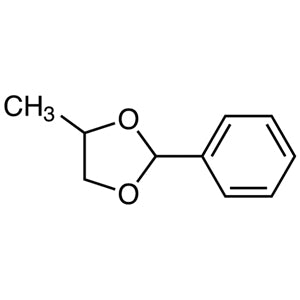
- TCI B1094 2568-25-4 4-Methyl-2-phenyl-1,3-dioxolane (mixture of isomers)
- TCI B0928 80-04-6 2,2-Bis(4-hydroxycyclohexyl)propane (mixture of isomers)
- TCI T0523 24800-44-0 Tripropylene Glycol (mixture of isomers)
- Synthesis of polyglycerol esters: the multiple hydroxyl groups of diglycerol react readily with fatty acids or acid derivatives, making it a convenient core for building ester-based polyglycerol derivatives.
- Preparation of nonionic surfactants: its highly polar polyol head combines well with hydrophobic chains, giving researchers a practical route to nonionic surfactant structures for formulation studies.
- Polyurethane and isocyanate chemistry research: the free hydroxyl groups can react with isocyanates, so diglycerol works as a multifunctional polyol component in exploratory polymer and crosslinking experiments.
- Humectant and moisture-retention studies: its ability to bind water and its good water solubility make it a useful test material for evaluating moisture retention in aqueous formulations.
- Etherification and derivatization work: the chemically stable ether backbone holds up through further etherification steps, letting chemists modify the hydroxyl groups while keeping the central structure intact.
| Brand | TCI (product code T0119) |
|---|---|
| CAS number | — |
| Molecular formula | — |
| Purity | — |
| Category | Chemistry > Building Blocks > Non-Heterocyclic Building Blocks |
| Pack sizes | see the available options on the product listing |
| Physical form | usually a viscous liquid |
| Storage | keep tightly closed in a cool, dry place; follow the label and the supplier's SDS |
- Product name: Diglycerol (mixture of isomers)
Store diglycerol in its original, tightly sealed container in a cool, dry, well-ventilated area, away from direct sunlight and heat sources. Because it is hygroscopic and can take up moisture from the air, close the container promptly after each use to protect the material's quality. Glass or compatible chemical-resistant containers are suitable for any portions transferred out of the original pack. Its viscosity can make dispensing slow, so use suitable pipettes or weigh it out directly instead of relying on volumetric transfer. Follow standard laboratory practice: wear safety glasses, gloves, and a lab coat, avoid contact with eyes and skin, and clean up spills promptly. Keep it away from strong oxidising agents. Always consult the Safety Data Sheet (SDS) provided by the manufacturer for detailed hazard, first-aid, and disposal information before use.
—
Produk Terkait
-
3-(Oxiran-2-yl)-7-oxabicyclo[410]heptane(mixtureofisomers) TCI V0195
Regular price From Rp 3.870.300,00Regular priceRp 2.705.850,00Sale price From Rp 3.870.300,00 -
[1,1'-Bi(cyclohexane)]-2,2'-diol(mixtureofisomers) TCI B5497
Regular price Rp 6.386.100,00Regular priceRp 4.481.400,00Sale price Rp 6.386.100,00 -
4,4'-Bicyclohexanol(mixtureofisomers) TCI B1621
Regular price From Rp 1.618.050,00Regular priceRp 1.146.600,00Sale price From Rp 1.618.050,00 -
4-Methyl-2-phenyl-1,3-dioxolane(mixtureofisomers) TCI B1094
Regular price Rp 530.250,00Regular priceRp 386.400,00Sale price Rp 530.250,00 -
2,2-Bis(4-hydroxycyclohexyl)propane(mixtureofisomers) TCI B0928
Regular price From Rp 557.550,00Regular priceRp 405.300,00Sale price From Rp 557.550,00 -
TripropyleneGlycol(mixtureofisomers) TCI T0523
Regular price From Rp 530.250,00Regular priceRp 386.400,00Sale price From Rp 530.250,00 -
2,2,4,4-Tetramethyl-1,3-cyclobutanediol(mixtureofisomers) TCI T0145
Regular price From Rp 2.279.550,00Regular priceRp 1.609.650,00Sale price From Rp 2.279.550,00 -
1,2:5,6-Diepoxyhexahydroindan(mixtureofisomers) TCI O0590
Regular price From Rp 2.411.850,00Regular priceRp 1.686.300,00Sale price From Rp 2.411.850,00