2,2,4,4-Tetramethyl-1,3-cyclobutanediol (mixture of isomers) is a chemical compound widely used in laboratory settings for constructing complex molecular structures. As a building block in organic chemistry, it serves as a foundational material in the synthesis of various organic compounds. This compound is particularly valuable for its ability to participate in multiple chemical reactions, making it a versatile reagent in both academic and industrial research. Its presence in the chemical supply chain ensures that it is readily available for use in diverse experimental setups.
The compound is preferred due to its stable molecular structure and non-heterocyclic nature, which allows it to maintain integrity during chemical transformations. Its ability to undergo reactions such as hydrolysis, esterification, and substitution makes it suitable for a wide range of synthetic applications. The mixture of isomers also provides flexibility in reaction outcomes, enabling researchers to tailor the final product based on the desired outcome. This combination of stability and reactivity makes it a reliable choice for many laboratory processes.
In Indonesian laboratories, this compound is commonly used in organic chemistry research, pharmaceutical development, and industrial chemical production. Its availability and consistent quality make it a popular choice among researchers and professionals in both educational and industrial sectors. The compound's role in creating cyclic structures and its compatibility with various synthetic pathways further solidify its importance in the laboratory environment.
TCI brochures (PDF)
- Biomaterials Research Reagents 2025-02-19 · p. 20
- Monomers 2025-05-28 · p. 26
Related TCI products
- TCI B1621 20601-38-1 4,4'-Bicyclohexanol (mixture of isomers)
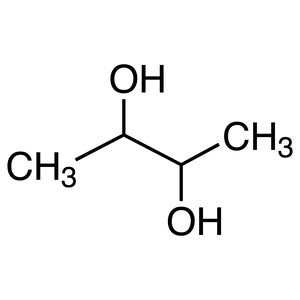
- TCI B0681 513-85-9 2,3-Butanediol (mixture of stereoisomers)
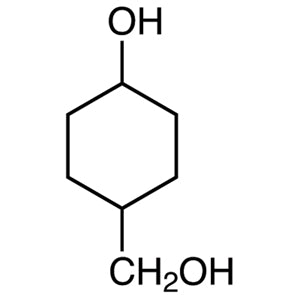
- TCI H1257 33893-85-5 4-(Hydroxymethyl)cyclohexanol (cis- and trans- mixture)
- TCI H1253 74058-21-2 4-(2-Hydroxyethyl)cyclohexanol (cis- and trans- mixture)
- TCI D2619 57987-55-0 2,4-Diethyl-1,5-pentanediol (DL- and meso- mixture)
- TCI C2534 59719-74-3 1,3-Cyclopentanediol (cis- and trans- mixture)
- Organic synthesis where cyclic structures are required due to its ability to form stable ring systems.
- Pharmaceutical research for the development of new drugs as a building block in complex molecule synthesis.
- Industrial chemical production for the creation of specialty chemicals and polymers.
- Teaching laboratories for demonstrating the principles of chemical reactions and molecular building.
- Material science applications for the development of new materials with specific chemical properties.
| Brand | TCI |
|---|---|
| CAS number | 3010-96-6 |
| Molecular formula | — |
| Purity | — |
| Category | Chemistry > Building Blocks > Non-Heterocyclic Building Blocks |
| Pack sizes | Available in various quantities as per standard laboratory supply |
| Physical form | Liquid |
| Storage | Store in a cool, dry place away from direct sunlight |
This compound should be stored in a cool, dry environment to maintain its stability and prevent degradation. It is recommended to use airtight containers to minimize exposure to moisture and air, which could affect its chemical properties. Due to its liquid form, it should be kept in a container that is resistant to chemical reactions and suitable for laboratory use. Always ensure proper ventilation when handling the compound to avoid inhalation of vapors. It is important to follow standard laboratory safety protocols, including the use of personal protective equipment such as gloves and goggles. Proper storage and handling will ensure the compound remains effective for its intended applications.
—
Product Categories
Produk Terkait
-
4,4'-Bicyclohexanol(mixtureofisomers) TCI B1621
Regular price From Rp 1.618.050,00Regular priceRp 1.146.600,00Sale price From Rp 1.618.050,00 -
2,3-Butanediol(mixtureofstereoisomers) TCI B0681
Regular price From Rp 769.650,00Regular priceRp 553.350,00Sale price From Rp 769.650,00 -
4-(Hydroxymethyl)cyclohexanol(cis-andtrans-mixture) TCI H1257
Regular price From Rp 6.811.350,00Regular priceRp 4.778.550,00Sale price From Rp 6.811.350,00 -
4-(2-Hydroxyethyl)cyclohexanol(cis-andtrans-mixture) TCI H1253
Regular price From Rp 3.048.150,00Regular priceRp 2.147.250,00Sale price From Rp 3.048.150,00 -
2,4-Diethyl-1,5-pentanediol(DL-andmeso-mixture) TCI D2619
Regular price From Rp 980.700,00Regular priceRp 701.400,00Sale price From Rp 980.700,00 -
1,3-Cyclopentanediol(cis-andtrans-mixture) TCI C2534
Regular price Rp 3.922.800,00Regular priceRp 2.758.350,00Sale price Rp 3.922.800,00 -
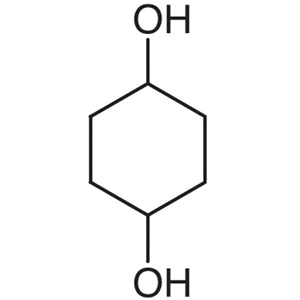
1,4-Cyclohexanediol(cis-andtrans-mixture) TCI C0482
Regular price From Rp 582.750,00Regular priceRp 423.150,00Sale price From Rp 582.750,00 -
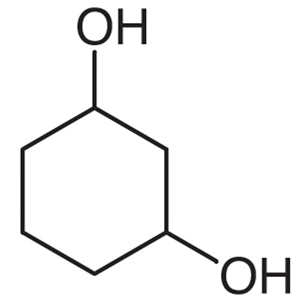
1,3-Cyclohexanediol(cis-andtrans-mixture) TCI C0481
Regular price From Rp 2.677.500,00Regular priceRp 1.887.900,00Sale price From Rp 2.677.500,00