N,N-Diethyl-p-toluenesulfonamide is a chemical compound widely used as a building block in the synthesis of complex organic compounds. It serves as a versatile intermediate in various chemical reactions where sulfonamide groups are required as linkers or functional groups. In laboratory settings, this compound plays a crucial role in the development of both heterocyclic and non-heterocyclic structures. Its chemical stability and controlled reactivity make it a reliable choice for synthetic chemists. The compound’s molecular structure allows for substitution reactions and other transformations that are essential in organic synthesis.
The compound is valued for its predictable chemical behavior and consistent performance in laboratory conditions. Its stability under a range of reaction conditions ensures reliable results in synthetic processes. The ability to control its reactivity makes it suitable for a variety of synthetic strategies. Additionally, its availability and cost-effectiveness make it a preferred choice for researchers and scientists working in different fields of chemistry. The compound’s utility extends beyond basic research, supporting applications in pharmaceutical and industrial development.
In Indonesian laboratories, N,N-Diethyl-p-toluenesulfonamide is commonly used in chemical research, pharmaceutical development, and industrial applications. Its availability and affordability make it a popular choice for both academic and commercial laboratories. The compound is frequently employed in the synthesis of new compounds and the development of innovative products. Its role in supporting scientific advancement is significant, particularly in the fields of chemistry and related disciplines.
Related TCI products
- TCI T1461 4104-47-6 N-Sulfinyl-p-toluenesulfonamide
- TCI B3082 1576-37-0 N-Benzyl-p-toluenesulfonamide
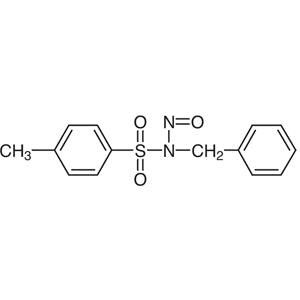
- TCI B3051 33528-13-1 N-Benzyl-N-nitroso-p-toluenesulfonamide
- TCI B1389 2651-15-2 N-[Bis(methylthio)methylene]-p-toluenesulfonamide
- TCI B0745 1907-65-9 N-Butyl-p-toluenesulfonamide
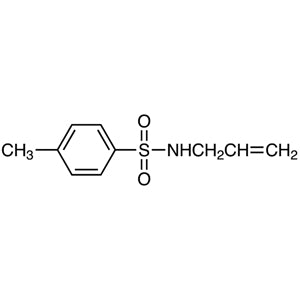
- TCI A2665 50487-71-3 N-Allyl-p-toluenesulfonamide
- Synthesis of heterocyclic compounds for the development of new pharmaceuticals due to its ability to act as a functional group in complex molecular structures.
- Organic synthesis in research laboratories where controlled reactivity and chemical stability are essential for successful reactions.
- Pharmaceutical research applications where the compound is used as an intermediate in the synthesis of drug molecules.
- Industrial chemical production processes requiring reliable and consistent chemical intermediates for large-scale manufacturing.
- Academic research in chemistry departments focusing on the study of organic reactions and molecular transformations.
| Brand | TCI |
|---|---|
| CAS number | 649-15-0 |
| Molecular formula | — |
| Purity | — |
| Category | Chemistry > Building Blocks > Non-Heterocyclic Building Blocks |
| Pack sizes | Available in various quantities as per supplier specifications |
| Physical form | Solid (as per standard product description) |
| Storage | Store in a cool, dry place away from direct sunlight |
N,N-Diethyl-p-toluenesulfonamide should be stored in a cool, dry environment to maintain its chemical stability. It is recommended to keep the compound in a sealed container to prevent moisture absorption and contamination. The storage area should be well-ventilated to ensure safe handling. Avoid exposure to direct sunlight and extreme temperatures to preserve its integrity. When handling, use appropriate personal protective equipment such as gloves and safety goggles. The compound is generally non-hazardous under normal laboratory conditions but should be treated with care to ensure safe usage and storage.
—
Produk Terkait
-
N-Sulfinyl-p-toluenesulfonamide TCI T1461
Regular price Rp 7.499.100,00Regular priceRp 5.259.450,00Sale price Rp 7.499.100,00 -
N-Benzyl-p-toluenesulfonamide TCI B3082
Regular price From Rp 1.801.800,00Regular priceRp 1.275.750,00Sale price From Rp 1.801.800,00 -
N-Benzyl-N-nitroso-p-toluenesulfonamide TCI B3051
Regular price From Rp 3.895.500,00Regular priceRp 2.739.450,00Sale price From Rp 3.895.500,00 -
N-[Bis(methylthio)methylene]-p-toluenesulfonamide TCI B1389
Regular price Rp 2.121.000,00Regular priceRp 1.498.350,00Sale price Rp 2.121.000,00 -
N-Butyl-p-toluenesulfonamide TCI B0745
Regular price From Rp 848.400,00Regular priceRp 609.000,00Sale price From Rp 848.400,00 -
N-Allyl-p-toluenesulfonamide TCI A2665
Regular price From Rp 2.518.950,00Regular priceRp 1.776.600,00Sale price From Rp 2.518.950,00 -
p-Toluenesulfonamide TCI T0281
Regular price From Rp 530.250,00Regular priceRp 386.400,00Sale price From Rp 530.250,00 -
o-Toluenesulfonamide TCI T0280
Regular price Rp 662.550,00Regular priceRp 478.800,00Sale price Rp 662.550,00