Trilauryl Trithiophosphite (TCI T0460), with CAS number 1656-63-9, is a chemical compound widely used in organic reactions, particularly in the synthesis of complex compounds and molecular modifications. As a key building block in chemistry, it plays a vital role in laboratories where researchers seek to develop new materials, pharmaceuticals, and advanced chemical structures. Its unique reactivity and chemical stability make it an essential reagent for various synthetic processes. This compound is commonly utilized in both academic and industrial research settings, supporting the creation of heterocyclic compounds and intricate molecular frameworks.
The compound is known for its chemical stability under specific conditions, yet it exhibits high reactivity towards strong acids, bases, and alcohols. These properties make it a preferred choice for controlled chemical reactions where precise reactivity is required. Its solubility in organic solvents further enhances its utility, allowing it to be easily incorporated into a wide range of synthesis protocols. This solubility and reactivity profile make it a versatile tool for chemists aiming to manipulate molecular structures with precision.
In Indonesian laboratories, Trilauryl Trithiophosphite is frequently used by researchers in organic chemistry, pharmaceutical development, and material science. Its role in the synthesis of new compounds and molecular modifications underscores its importance in both fundamental and applied research. The compound is a valuable resource for scientists working on complex chemical transformations and innovative material synthesis.
Related TCI products
- TCI M0905 3279-26-3 Methyl Dichlorophosphite [Phosphitylating Agent]
- TCI T4247 513-08-6 Tripropyl Phosphate
- TCI T2952 6415-07-2 Tripyrrolidinophosphine Oxide
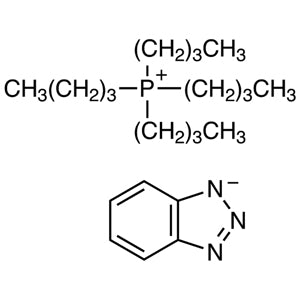
- TCI T2005 109348-55-2 Tetrabutylphosphonium Benzotriazolate
- TCI B1098 645-15-8 Bis(4-nitrophenyl) Phosphate [for Phosphodiesterase Substrate]
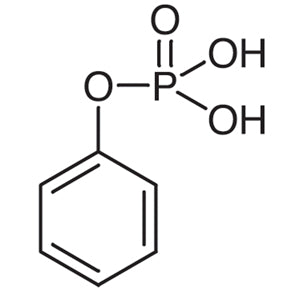
- TCI B0026 701-64-4 Phenyl Phosphate
- Organic synthesis applications benefit from Trilauryl Trithiophosphite due to its reactivity and stability, enabling the creation of complex molecular structures.
- Pharmaceutical research utilizes this compound for the development of heterocyclic compounds and advanced drug molecules.
- Material science experiments rely on its chemical properties to synthesize new materials with specific functional characteristics.
- Molecular modification projects use it as a reagent to alter existing compounds and enhance their chemical properties.
- Industrial chemical processes incorporate it for the production of specialized compounds requiring controlled reactivity and stability.
| Brand | TCI |
|---|---|
| CAS number | 1656-63-9 |
| Molecular formula | — |
| Purity | — |
| Category | Chemistry > Building Blocks > Non-Heterocyclic Building Blocks |
| Pack sizes | Available in various quantities as per supplier specifications |
| Physical form | Liquid |
| Storage | Store in a cool, dry place away from strong acids and bases |
Trilauryl Trithiophosphite should be stored in a cool, dry environment, away from strong acids, bases, and reactive substances to maintain its chemical stability. It is recommended to use airtight containers made of materials that are chemically inert, such as glass or high-density polyethylene, to prevent contamination and degradation. Due to its reactivity, it should be handled in a well-ventilated area, and appropriate personal protective equipment should be worn when working with it. Regular monitoring of storage conditions is essential to ensure the compound remains effective for its intended laboratory applications.
—
Produk Terkait
-
MethylDichlorophosphite[PhosphitylatingAgent] TCI M0905
Regular price Rp 3.155.250,00Regular priceRp 2.206.050,00Sale price Rp 3.155.250,00 -
TripropylPhosphate TCI T4247
Regular price From Rp 1.696.800,00Regular priceRp 1.202.250,00Sale price From Rp 1.696.800,00 -
TripyrrolidinophosphineOxide TCI T2952
Regular price From Rp 2.041.200,00Regular priceRp 1.442.700,00Sale price From Rp 2.041.200,00 -
TetrabutylphosphoniumBenzotriazolate TCI T2005
Regular price Rp 1.405.950,00Regular priceRp 998.550,00Sale price Rp 1.405.950,00 -
Bis(4-nitrophenyl)Phosphate[forPhosphodiesteraseSubstrate] TCI B1098
Regular price From Rp 5.380.200,00Regular priceRp 3.777.900,00Sale price From Rp 5.380.200,00 -
PhenylPhosphate TCI B0026
Regular price From Rp 4.293.450,00Regular priceRp 3.017.700,00Sale price From Rp 4.293.450,00 -
Tris(4-nitrophenyl)Phosphate TCI T1002
Regular price Rp 3.815.700,00Regular priceRp 2.683.800,00Sale price Rp 3.815.700,00 -
TrimethylolpropanePhosphite TCI T0816
Regular price From Rp 3.710.700,00Regular priceRp 2.594.550,00Sale price From Rp 3.710.700,00