N-(o-Toluoyl)glycine is a chemical compound widely used in laboratory settings for the synthesis of complex organic molecules. As a derivative of an amino acid, it serves as a building block in chemical reactions, enabling the construction of more intricate molecular structures. This compound is commonly found in organic chemistry laboratories where it is utilized as a foundational material for various synthetic processes. Its versatility makes it an essential reagent for researchers and chemists working on advanced chemical projects.
The chemical properties of N-(o-Toluoyl)glycine make it a preferred choice in laboratory applications. Its stable molecular structure allows it to participate in multiple types of reactions, including esterification, substitution, and covalent bonding. The presence of both the toluoyl group and the amino group contributes to its reactivity and ability to interact with a variety of other molecules. These characteristics make it suitable for applications requiring high reactivity and structural stability.
In Indonesian laboratories, N-(o-Toluoyl)glycine is commonly used in organic chemistry research, the synthesis of new compounds, and the development of industrial chemical products. Its role in building complex molecular structures is vital for both academic and industrial chemical applications. The compound's reliability and chemical stability make it a go-to material for chemists in Indonesia seeking to advance their research and development efforts.
TCI brochures (PDF)
- Amino Acids and Peptide Synthesis Reagents 2025-08-14 · p. 24
Related TCI products
- Organic synthesis applications benefit from N-(o-Toluoyl)glycine as it provides a versatile building block for constructing complex molecular structures through various chemical reactions.
- It is ideal for peptide chemistry due to its amino group, which can participate in amide bond formation, enabling the synthesis of peptides and related compounds.
- In the development of pharmaceutical compounds, this compound is used to create derivatives that can be further modified for drug development and therapeutic applications.
- It supports research in material science by contributing to the synthesis of functional polymers and other advanced materials with specific chemical properties.
- Its use in analytical chemistry helps in the preparation of standards and reagents for various spectroscopic and chromatographic analyses.
| Brand | TCI |
|---|---|
| CAS number | 42013-20-7 |
| Molecular formula | — |
| Purity | — |
| Category | Chemistry > Building Blocks > Non-Heterocyclic Building Blocks |
| Pack sizes | Available in various quantities as per standard laboratory supply |
| Physical form | Solid |
| Storage | Store in a cool, dry place away from direct sunlight |
N-(o-Toluoyl)glycine should be stored in a cool, dry environment to maintain its chemical stability and prevent degradation. It is recommended to keep the compound in a tightly sealed container to minimize exposure to moisture and air. Suitable storage containers include glass or high-density polyethylene (HDPE) bottles that are resistant to chemical reactions. In laboratory settings, it is important to handle the compound with care, using appropriate personal protective equipment such as gloves and safety goggles. Avoid contact with incompatible substances and ensure proper ventilation when handling larger quantities. Regular monitoring of storage conditions helps in maintaining the integrity of the compound for extended use in chemical experiments.
—
Product Categories
Produk Terkait
-
N-(p-Toluoyl)glycine TCI T0313
Regular price From Rp 1.590.750,00Regular priceRp 1.127.700,00Sale price From Rp 1.590.750,00 -
N-(m-Toluoyl)glycine TCI T0312
Regular price From Rp 1.326.150,00Regular priceRp 942.900,00Sale price From Rp 1.326.150,00 -
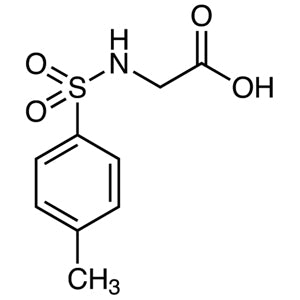
N-(p-Toluenesulfonyl)glycine TCI T2803
Regular price From Rp 1.590.750,00Regular priceRp 1.127.700,00Sale price From Rp 1.590.750,00 -
Phenylthiohydantoin-glycine TCI P0376
Regular price Rp 1.167.600,00Regular priceRp 831.600,00Sale price Rp 1.167.600,00 -
N-[(9H-Fluoren-9-ylmethoxy)carbonyl]glycine TCI F0293
Regular price From Rp 637.350,00Regular priceRp 460.950,00Sale price From Rp 637.350,00 -
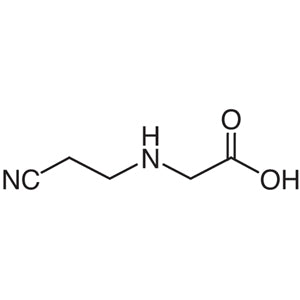
N-(2-Cyanoethyl)glycine TCI C1525
Regular price From Rp 1.033.200,00Regular priceRp 738.150,00Sale price From Rp 1.033.200,00 -
1-[(tert-Butoxycarbonyl)amino]cyclopropanecarboxylicAcid TCI B3138
Regular price From Rp 3.207.750,00Regular priceRp 2.258.550,00Sale price From Rp 3.207.750,00 -
Fmoc-6-Ahx-OH TCI F1319
Regular price From Rp 848.400,00Regular priceRp 609.000,00Sale price From Rp 848.400,00