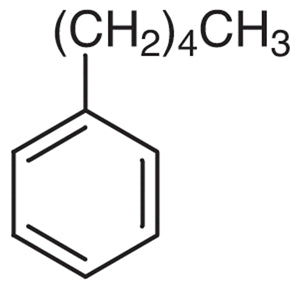
1,2,3,10b-Tetrahydrofluoranthene is a chemical compound widely used in organic reactions to construct complex molecular structures. It plays a crucial role in laboratory settings as a building block for the synthesis of both heterocyclic and non-heterocyclic compounds. This compound is particularly valued for its versatility and stability, making it an essential tool for researchers working in various fields such as pharmaceuticals, materials science, and organic chemistry. Its ability to participate in multiple reaction types, including substitution and addition, enhances its utility in synthetic pathways.
The compound’s stable chemical structure and controlled reactivity make it a preferred choice for reactions requiring precision and reproducibility. Its resistance to degradation ensures consistent performance across multiple experimental trials, which is vital for maintaining the integrity of research outcomes. Additionally, its compatibility with a wide range of reagents and solvents allows for greater flexibility in experimental design. These properties make it a reliable component in advanced chemical synthesis processes.
In Indonesian laboratories, 1,2,3,10b-Tetrahydrofluoranthene is commonly used in organic chemistry research, especially in the study of aromatic and non-aromatic compound synthesis. It is frequently employed in projects related to drug development and the creation of new materials, where accuracy and reliability in synthesis are critical. Its presence in such research underscores its importance in advancing scientific innovation in the region.
- Organic synthesis of aromatic and non-aromatic compounds due to its stable structure and controlled reactivity.
- Development of pharmaceutical compounds as it supports precise molecular construction in drug synthesis.
- Creation of advanced materials through its ability to participate in substitution and addition reactions.
- Research in heterocyclic chemistry as it serves as a foundational building block for complex ring structures.
- Investigation of chemical reactivity patterns in synthetic pathways requiring high precision and reproducibility.
| Brand | TCI |
|---|---|
| CAS number | 20279-21-4 |
| Molecular formula | — |
| Purity | — |
| Category | Chemistry > Building Blocks > Non-Heterocyclic Building Blocks |
| Pack sizes | As listed on product page |
| Physical form | Solid (if available) |
| Storage | Store in a cool, dry place away from light and moisture |
This compound should be stored in a cool, dry environment, away from direct light and moisture to maintain its stability. It is recommended to use airtight containers to prevent exposure to air and humidity, which could affect its chemical integrity. Due to its potential reactivity, it should be handled in a well-ventilated area, preferably under a fume hood, to ensure safety. Proper personal protective equipment, such as gloves and safety goggles, should be worn during handling. Regular monitoring of storage conditions is advised to ensure optimal preservation and safe usage in laboratory settings.
—
Produk Terkait
-
Benzo[b]fluoranthene TCI B2982
Regular price Rp 4.347.000,00Regular priceRp 3.039.750,00Sale price Rp 4.347.000,00 -
Fluoranthene TCI F0016
Regular price From Rp 848.400,00Regular priceRp 593.250,00Sale price From Rp 848.400,00 -
Benzo[j]fluoranthene TCI B6424
Regular price From Rp 2.916.900,00Regular priceRp 2.039.100,00Sale price From Rp 2.916.900,00 -
Benzo[k]fluoranthene TCI B6317
Regular price From Rp 3.180.450,00Regular priceRp 2.223.900,00Sale price From Rp 3.180.450,00 -
Amylbenzene TCI A0449
Regular price From Rp 1.353.450,00Regular priceRp 946.050,00Sale price From Rp 1.353.450,00 -
Anthracene TCI A0495
Regular price From Rp 584.850,00Regular priceRp 408.450,00Sale price From Rp 584.850,00 -
Acenaphthylene TCI A0005
Regular price From Rp 769.650,00Regular priceRp 537.600,00Sale price From Rp 769.650,00 -
Acenaphthene TCI A0003
Regular price From Rp 769.650,00Regular priceRp 537.600,00Sale price From Rp 769.650,00