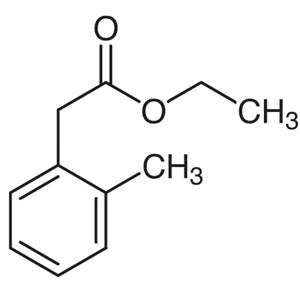
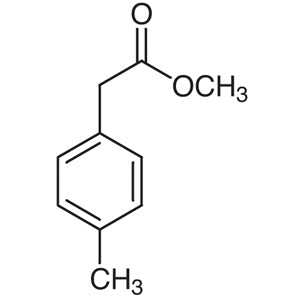
O-Tolylacetic Acid, also known as p-Tolylacetic Acid, is a chemical compound widely used in laboratory settings for the synthesis of complex organic molecules. It serves as a key building block in organic chemistry, enabling the formation of various functional groups through substitution and esterification reactions. This compound is particularly valuable in the development of pharmaceuticals and specialty chemicals due to its reactivity and versatility in synthetic pathways. Its ability to participate in multiple reaction types makes it an essential tool for chemists working on drug discovery and molecular design.
The compound is known for its stability and reactivity, which make it a preferred choice in both academic and industrial research. Its chemical structure allows it to interact effectively with a wide range of reagents, facilitating the synthesis of aromatic derivatives and esters. These properties are crucial for applications in organic synthesis, where precise control over reaction conditions is necessary. Additionally, its compatibility with various solvents and reagents enhances its utility in diverse experimental setups. The compound's reliability and consistent performance contribute to its widespread use in laboratory environments.
In Indonesian laboratories, o-Tolylacetic Acid is commonly used in organic chemistry research, drug development, and chemical analysis. It is a fundamental reagent in the synthesis of aromatic compounds and esters, supporting both academic and industrial research. Its availability and chemical stability make it a reliable choice for scientists and researchers in educational institutions and research centers across Indonesia. Its role in advancing chemical studies and pharmaceutical applications is significant and well-established.
- Synthesis of complex aromatic compounds for pharmaceutical development due to its reactivity in substitution reactions.
- Esterification reactions for the production of ester-based compounds used in fragrance and pharmaceutical industries.
- Organic synthesis of functionalized molecules in academic research settings requiring versatile building blocks.
- Qualitative analysis of organic compounds in analytical chemistry laboratories for structural identification.
- Development of new drug molecules through modification of aromatic ring structures in medicinal chemistry studies.
| Brand | TCI |
|---|---|
| CAS number | 644-36-0 |
| Molecular formula | — |
| Purity | — |
| Category | Chemistry > Building Blocks > Non-Heterocyclic Building Blocks |
| Pack sizes | Available in standard laboratory quantities |
| Physical form | Solid, crystalline |
| Storage | Store in a cool, dry place away from direct sunlight |
O-Tolylacetic Acid should be stored in a cool, dry environment to maintain its chemical stability. It is recommended to keep the compound in a sealed container to prevent moisture absorption and contamination. Suitable storage containers include glass or HDPE bottles with airtight lids. The material should be kept away from incompatible substances such as strong oxidizers and strong bases. In laboratory settings, proper ventilation is essential when handling this compound to minimize exposure. General safety precautions include wearing appropriate personal protective equipment, such as gloves and safety goggles, to ensure safe handling and reduce the risk of chemical contact.
—
Produk Terkait
-
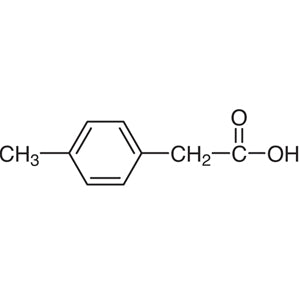
p-TolylaceticAcid TCI T0882
Regular price From Rp 2.279.550,00Regular priceRp 1.609.650,00Sale price From Rp 2.279.550,00 -
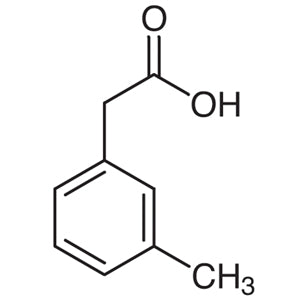
m-TolylaceticAcid TCI T0880
Regular price Rp 2.173.500,00Regular priceRp 1.535.100,00Sale price Rp 2.173.500,00 -
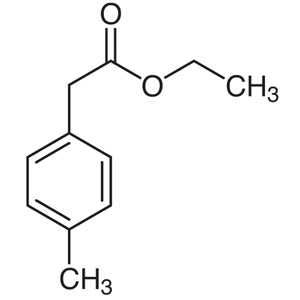
Ethylp-Tolylacetate TCI T1227
Regular price From Rp 1.961.400,00Regular priceRp 1.387.050,00Sale price From Rp 1.961.400,00 -
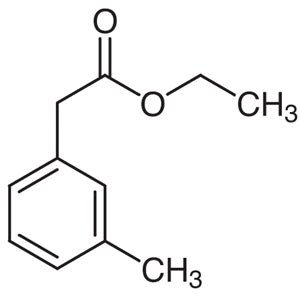
Ethylm-Tolylacetate TCI T1226
Regular price Rp 2.994.600,00Regular priceRp 2.109.450,00Sale price Rp 2.994.600,00 -
Ethylo-Tolylacetate TCI T1225
Regular price From Rp 1.776.600,00Regular priceRp 1.257.900,00Sale price From Rp 1.776.600,00 -
Methylp-Tolylacetate TCI M0783
Regular price Rp 5.697.300,00Regular priceRp 3.999.450,00Sale price Rp 5.697.300,00