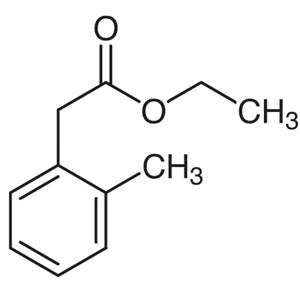
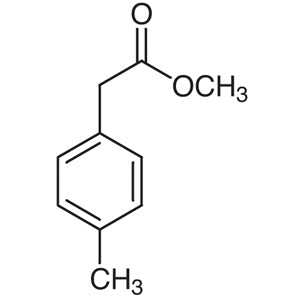
p-Tolylacetic Acid (p-TAA) is a chemical compound widely used as a foundational building block in the synthesis of complex organic compounds. Its versatility makes it a key component in various chemical reactions, particularly in the formation of aromatic and heterocyclic structures. As a core element within the building blocks category, p-TAA plays a vital role in the development of new compounds with applications in pharmaceuticals, materials science, and chemical industries. Its stable molecular structure and moderate reactivity make it suitable for a range of chemical transformations, including esterification, amidation, and substitution reactions.
The chemical and physical properties of p-TAA are consistent, ensuring reliable performance in laboratory settings. Its stability under controlled conditions and compatibility with a variety of reagents make it a preferred choice for researchers seeking high-quality raw materials. The compound’s predictable behavior in different reaction environments allows for precise control over synthetic processes, which is essential for achieving desired outcomes in organic chemistry. This reliability enhances its value in both academic and industrial research.
In Indonesian laboratories, p-Tolylacetic Acid is extensively used in scientific research and product development. It is commonly found in experiments related to drug synthesis, polymer materials, and aromatic compound creation. Its availability in the local market ensures that researchers have access to the necessary raw materials for their work. The compound’s widespread application reflects its importance in advancing chemical innovation within the region.
- Synthesis of aromatic compounds where p-TAA provides a stable and reactive starting material for complex molecular structures.
- Development of pharmaceuticals as a key intermediate in the creation of drug molecules with specific functional groups.
- Polymer research due to its ability to participate in reactions that form long-chain molecular structures.
- Organic chemistry experiments requiring a reliable building block for esterification and amidation reactions.
- Material science applications where p-TAA contributes to the formation of functionalized compounds with unique properties.
| Brand | TCI |
|---|---|
| CAS number | 622-47-9 |
| Molecular formula | — |
| Purity | — |
| Category | Chemistry > Building Blocks > Non-Heterocyclic Building Blocks |
| Pack sizes | Available in standard laboratory quantities |
| Physical form | Solid |
| Storage | Store in a cool, dry place away from light and moisture |
p-Tolylacetic Acid should be stored in a cool, dry environment, away from direct sunlight and moisture to maintain its stability. It is recommended to use airtight containers made of glass or polyethylene to prevent contamination and degradation. Due to its chemical nature, it should be handled with appropriate personal protective equipment, such as gloves and safety goggles, to ensure laboratory safety. Avoid exposure to strong oxidizing agents or incompatible substances. Proper labeling and storage conditions are essential to maintain the integrity of the compound and ensure safe handling in laboratory settings.
—
Produk Terkait
-
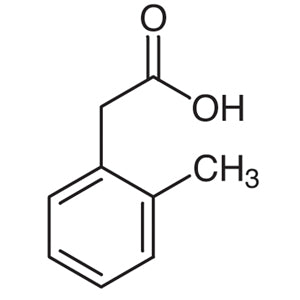
o-TolylaceticAcid TCI T0881
Regular price From Rp 717.150,00Regular priceRp 516.600,00Sale price From Rp 717.150,00 -
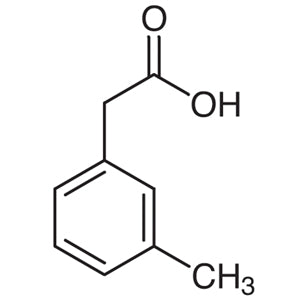
m-TolylaceticAcid TCI T0880
Regular price Rp 2.173.500,00Regular priceRp 1.535.100,00Sale price Rp 2.173.500,00 -
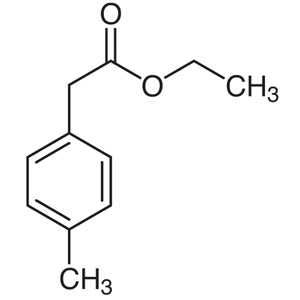
Ethylp-Tolylacetate TCI T1227
Regular price From Rp 1.961.400,00Regular priceRp 1.387.050,00Sale price From Rp 1.961.400,00 -
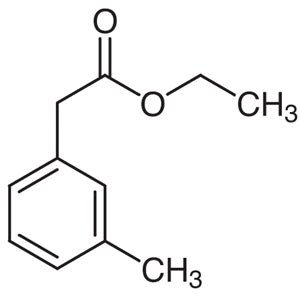
Ethylm-Tolylacetate TCI T1226
Regular price Rp 2.994.600,00Regular priceRp 2.109.450,00Sale price Rp 2.994.600,00 -
Ethylo-Tolylacetate TCI T1225
Regular price From Rp 1.776.600,00Regular priceRp 1.257.900,00Sale price From Rp 1.776.600,00 -
Methylp-Tolylacetate TCI M0783
Regular price Rp 5.697.300,00Regular priceRp 3.999.450,00Sale price Rp 5.697.300,00