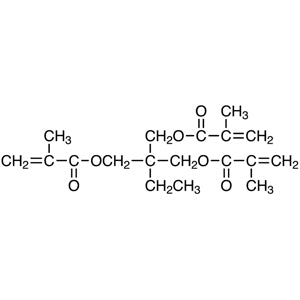
Trimethylolpropane Trimethacrylate (TMPTMA) is a versatile chemical compound widely used in laboratory settings for polymer and composite synthesis. It serves as a multifunctional building block that enables the formation of covalent bonds with various monomers, making it essential in the development of advanced materials. In the laboratory, TMPTMA functions as a crosslinker or binder, contributing to the creation of polymers with enhanced mechanical properties. Its role is critical in both academic and industrial research, where it supports the design of new materials with tailored characteristics.
The chemical stability and reactivity of TMPTMA make it a preferred choice for chemical synthesis. The compound is stabilized with MEHQ (methyl ethyl glycol hydroquinone), which prevents degradation due to oxidation, ensuring a longer shelf life and maintaining the quality of the material. Its excellent solubility in organic solvents allows for easy integration into a wide range of chemical reactions. This combination of stability and reactivity makes TMPTMA a reliable component in complex synthetic processes.
In Indonesian laboratories, TMPTMA is commonly used in material research, composite development, and polymer-based chemical product creation. Its relevance spans across both academic and industrial applications, where it supports the development of materials with specific mechanical and chemical properties. The compound's adaptability and stability make it an essential tool for researchers and chemists working on innovative material solutions.
TCI brochures (PDF)
- Biomaterials Research Reagents 2025-02-19 · p. 12
- Monomers 2025-05-28 · p. 9
Related TCI products
- TCI T0949 15625-89-5 Trimethylolpropane Triacrylate (stabilized with MEHQ)
- TCI G0495 7401-88-9 Glycerol Trimethacrylate (stabilized with MEHQ)
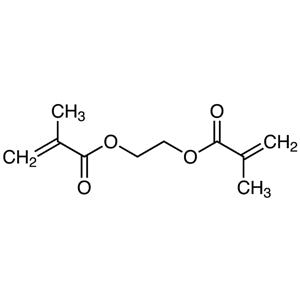
- TCI E0102 97-90-5 Ethylene Glycol Dimethacrylate (stabilized with HQ)
- TCI T3488 2082-81-7 Tetramethylene Glycol Dimethacrylate (stabilized with MEHQ)
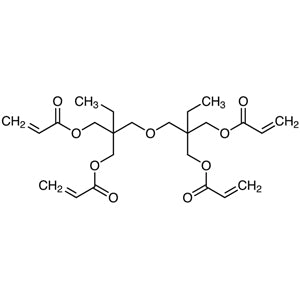
- TCI D5687 94108-97-1 Ditrimethylolpropane Tetraacrylate (stabilized with MEHQ)
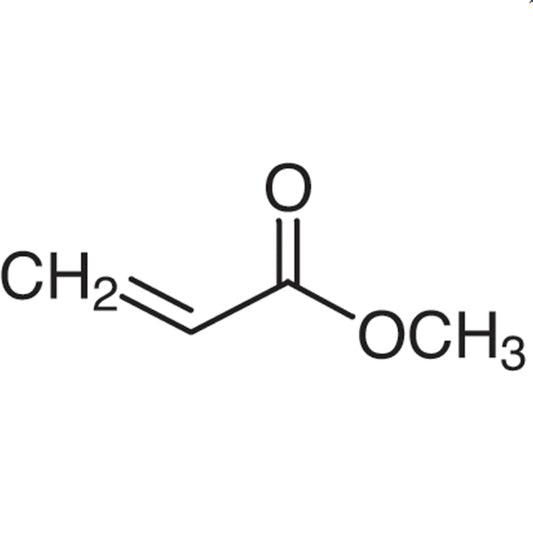
- TCI A0145 96-33-3 Methyl Acrylate (stabilized with MEHQ)
- Polymer development for advanced materials due to its crosslinking ability and mechanical strength enhancement.
- Composite formulation to improve structural integrity and chemical resistance in material science projects.
- Chemical synthesis of functional polymers for specialized applications in industrial and academic research.
- Research in polymer-based coatings and adhesives where high reactivity and stability are required.
- Development of new chemical products with tailored properties for use in various industrial sectors.
| Brand | TCI |
|---|---|
| CAS number | 3290-92-4 |
| Molecular formula | — |
| Purity | — |
| Category | Chemistry > Building Blocks > Non-Heterocyclic Building Blocks |
| Pack sizes | Available in standard laboratory quantities as per supplier specifications |
| Physical form | Liquid |
| Storage | Store in a cool, dark place away from heat and direct sunlight |
TMPTMA should be stored in a cool, dark environment to maintain its chemical stability and prevent degradation. It is recommended to use sealed containers made of materials compatible with organic solvents to avoid contamination. The compound should be kept away from heat sources and direct sunlight to ensure optimal shelf life. In laboratory settings, proper ventilation is essential to minimize exposure to vapors. Always handle the material with appropriate personal protective equipment, including gloves and safety goggles, to ensure safe usage and compliance with standard laboratory safety protocols.
—
Product Categories
Produk Terkait
-
TrimethylolpropaneTriacrylate(stabilizedwithMEHQ) TCI T0949
Regular price From Rp 505.050,00Regular price -
GlycerolTrimethacrylate(stabilizedwithMEHQ) TCI G0495
Regular price Rp 3.605.700,00Regular price -
EthyleneGlycolDimethacrylate(stabilizedwithHQ) TCI E0102
Regular price From Rp 452.550,00Regular price -
TetramethyleneGlycolDimethacrylate(stabilizedwithMEHQ) TCI T3488
Regular price Rp 3.763.200,00Regular price -
DitrimethylolpropaneTetraacrylate(stabilizedwithMEHQ) TCI D5687
Regular price From Rp 1.273.650,00Regular price -
MethylAcrylate(stabilizedwithMEHQ) TCI A0145
Regular price From Rp 477.750,00Regular price -
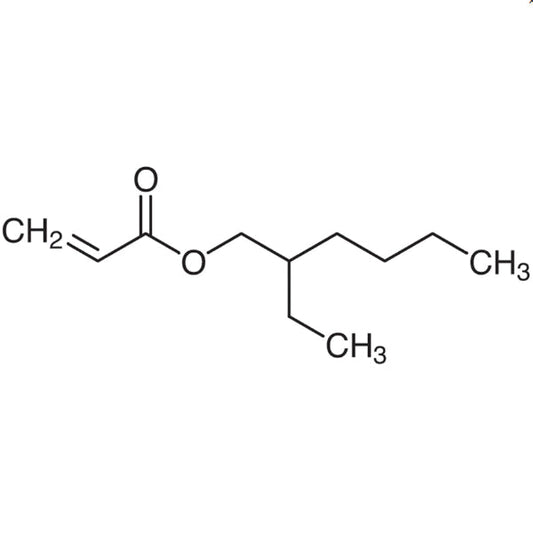
2-EthylhexylAcrylateMonomer(stabilizedwithMEHQ) TCI A0144
Regular price From Rp 505.050,00Regular price -
ButylAcrylate(stabilizedwithMEHQ) TCI A0142
Regular price From Rp 505.050,00Regular price