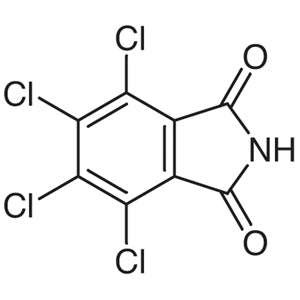
3,4,5,6-Tetrachlorophthalimide is a chemical compound widely used in organic synthesis reactions within laboratory settings. This compound is derived from phthalimide, with four chlorine atoms attached at specific positions, which significantly influences its chemical behavior and reactivity. Its unique structure makes it a valuable reagent for chemists seeking to construct complex molecules. In the laboratory, it plays a crucial role in the development of new compounds, particularly in the synthesis of heterocyclic structures and other specialized chemical entities. Its versatility and reactivity make it an essential component in various synthetic pathways.
The compound’s chemical stability and reactivity are key factors that make it a preferred choice for laboratory use. It maintains its integrity under a range of experimental conditions, which simplifies handling and storage. Its molecular structure allows for precise control in substitution reactions, enabling chemists to tailor the properties of the final product. Additionally, its high reactivity ensures that it can participate effectively in a wide array of chemical transformations, making it a reliable and efficient reagent in synthetic chemistry.
In Indonesian laboratories, 3,4,5,6-Tetrachlorophthalimide is extensively used in chemical research, particularly in organic synthesis and analytical chemistry. It is a common material in academic and industrial research settings, where its properties are leveraged to develop new compounds and conduct detailed chemical analyses. Its widespread application underscores its importance in advancing chemical knowledge and innovation in the region.
- Organic synthesis is a primary application where this compound serves as a building block for creating complex molecules due to its reactivity and structural versatility.
- Heterocyclic compound synthesis benefits from its ability to participate in substitution reactions, allowing for the construction of ring structures with specific functional groups.
- Analytical chemistry utilizes its stability and reactivity to develop and test new chemical methods and techniques in laboratory settings.
- Pharmaceutical research employs it in the development of drug candidates, where its chemical properties aid in the design of bioactive molecules.
- Industrial chemical production relies on its consistent performance in large-scale synthesis processes, ensuring reliable results in manufacturing applications.
| Brand | TCI |
|---|---|
| CAS number | 1571-13-7 |
| Molecular formula | — |
| Purity | — |
| Category | Chemistry > Building Blocks > Non-Heterocyclic Building Blocks |
| Pack sizes | Available in various quantities suitable for both research and production needs |
| Physical form | Solid, typically in crystalline or powder form |
| Storage | Store in a cool, dry place away from light and moisture |
This compound should be stored in a cool, dry environment, away from direct sunlight and moisture to maintain its chemical integrity. It is recommended to use airtight containers made of materials such as glass or high-density polyethylene to prevent contamination and degradation. Due to its reactivity, it should be handled with appropriate personal protective equipment, including gloves and safety goggles, to ensure laboratory safety. Proper ventilation is also essential when working with this compound to minimize exposure to vapors. Its stability under controlled conditions makes it suitable for long-term storage, provided that environmental factors are carefully managed.
—
Produk Terkait
-
N-(4-Bromophenyl)phthalimide TCI B2707
Regular price Rp 2.782.500,00Regular priceRp 1.961.400,00Sale price Rp 2.782.500,00 -
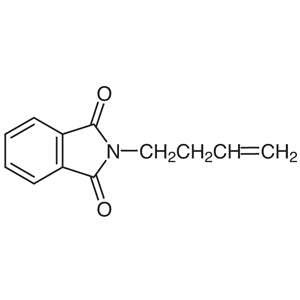
N-(3-Buten-1-yl)phthalimide TCI B1881
Regular price Rp 7.949.550,00Regular priceRp 5.574.450,00Sale price Rp 7.949.550,00 -
PhthalimidePotassiumSalt TCI P0403
Regular price Rp 610.050,00Regular priceRp 442.050,00Sale price Rp 610.050,00 -
Phthalimide TCI P0402
Regular price Rp 582.750,00Regular priceRp 423.150,00Sale price Rp 582.750,00 -
N-(2-Hydroxyethyl)phthalimide TCI H0245
Regular price Rp 742.350,00Regular priceRp 534.450,00Sale price Rp 742.350,00 -
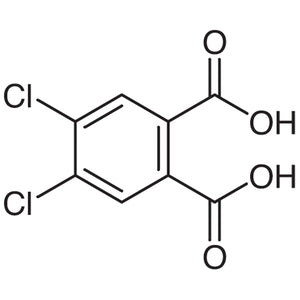
4,5-DichlorophthalicAcid TCI D2350
Regular price Rp 1.008.000,00Regular priceRp 704.550,00Sale price Rp 1.008.000,00 -
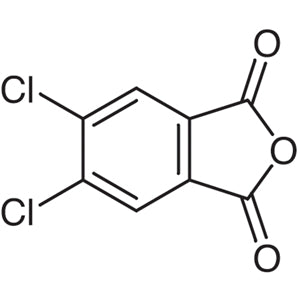
4,5-DichlorophthalicAnhydride TCI D2335
Regular price Rp 2.359.350,00Regular priceRp 1.649.550,00Sale price Rp 2.359.350,00 -
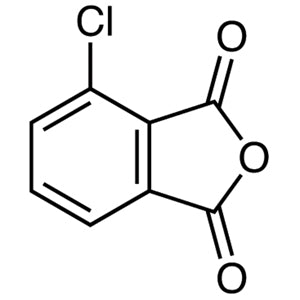
3-ChlorophthalicAnhydride TCI C3489
Regular price Rp 1.035.300,00Regular priceRp 723.450,00Sale price Rp 1.035.300,00