Tetrabutylammonium Azide (TCI T0920), with CAS number 993-22-6, is a chemical compound widely used in organic synthesis reactions. It serves as an effective source of azide ions, playing a crucial role in the formation of C-N bonds. This reagent is particularly valuable in azidation reactions and the synthesis of heterocyclic compounds. Its utility in the laboratory is extensive, as it enables the creation of complex molecules that require azide functionality. Due to its chemical stability under controlled conditions, it is a reliable choice for various synthetic processes.
One of the key properties that make Tetrabutylammonium Azide a preferred choice is its solubility in organic solvents. This characteristic simplifies mixing and reaction procedures, making it highly convenient for laboratory use. Additionally, its chemical stability ensures that it remains effective throughout the reaction process, minimizing the risk of unwanted side reactions. The compound’s reactivity is well-controlled, allowing chemists to manipulate its behavior in a predictable manner. These properties collectively contribute to its widespread adoption in synthetic chemistry.
In Indonesian laboratories, Tetrabutylammonium Azide is commonly used in organic chemistry research, especially in academic and research institutions. It is essential for the development of new compounds, drug synthesis, and the study of chemical reactivity. Its role in these contexts underscores its importance as a fundamental reagent in modern chemical research. Its availability and reliability make it a staple in both teaching and research settings.
TCI brochures (PDF)
- Azidation Reagents 2025-11-10 · p. 1
- C-N Bond Formation Reactions 2025-08-07 · p. 6
- Quaternary Ammonium Salts 2025-11-10 · p. 8
- Click Chemistry 2026-09-08 · p. 18
Related TCI products
- TCI S0489 26628-22-8 Sodium Azide
- TCI D2580 79791-38-1 Dodecylbenzenesulfonyl Azide (soft type) (mixture)
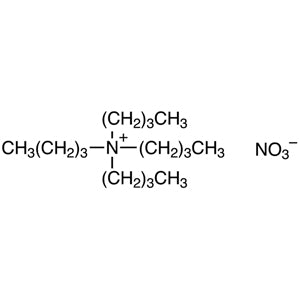
- TCI T3651 1941-27-1 Tetrabutylammonium Nitrate
- TCI B5440 857447-79-1 Bis(tetrabutylammonium) Dihydrogen Pyrophosphate
- TCI T3660 7182-86-7 Tetrabutylammonium p-Toluenesulfonate
- TCI T3374 152376-94-8 Tetrabutylammonium Tetrakis(trifluoromethyl)cuprate(III)
- Organic synthesis reactions benefit from Tetrabutylammonium Azide as it provides a stable and efficient source of azide ions for C-N bond formation.
- Heterocyclic compound synthesis relies on this reagent for its ability to facilitate the introduction of azide groups into complex molecular structures.
- Azidation reactions utilize this compound as a versatile reagent that enhances the efficiency and selectivity of nitrogen incorporation.
- Drug development processes incorporate this material to create novel compounds with potential pharmaceutical applications.
- Chemical reactivity studies use Tetrabutylammonium Azide to investigate the behavior of azide groups in various synthetic environments.
From the TCI brochure
- Substitution of a benzylic iodide with azide to give the benzyl azide product
| Brand | TCI |
|---|---|
| CAS number | 993-22-6 |
| Molecular formula | — |
| Purity | — |
| Category | Chemistry > Synthetic Reagents > C-X(Non-Halogen) Bond Formation |
| Pack sizes | Available in various sizes as per standard laboratory reagent packaging |
| Physical form | Solid or crystalline powder |
| Storage | Store in a cool, dry place away from moisture and heat |
Data from the TCI brochure
| Yield | 94% (Acetone/H2O (4:1), 20 °C, 3 h) |
|---|---|
| Kemasan | 5g / 25g |
Source: TCI brochure RR095 (2025-11-10)
Tetrabutylammonium Azide should be stored in a cool, dry environment to maintain its chemical stability. It is recommended to keep it in airtight containers to prevent exposure to moisture, which can lead to decomposition. Due to its reactivity towards high temperatures, it should be stored away from heat sources. In laboratory settings, it is essential to handle this compound with care, using appropriate personal protective equipment. Proper labeling and storage conditions are necessary to ensure safety and maintain the integrity of the reagent. Always follow standard laboratory protocols when handling reactive chemicals to minimize risks.
References cited in the TCI brochure
- Mohammed Salah Ayoup. Selectively fluorinated cyclohexane building blocks: Derivatives of carbonylated all-cis-3-phenyl-1,2,4,5-tetrafluorocyclohexane Beilstein Journal of Organic Chemistry, 2015. doi:10.3762/bjoc.11.287
Produk Terkait
-
SodiumAzide TCI S0489
Regular price Rp 875.700,00Regular priceRp 612.150,00Sale price Rp 875.700,00 -
DodecylbenzenesulfonylAzide(softtype)(mixture) TCI D2580
Regular price Rp 1.326.150,00Regular priceRp 927.150,00Sale price Rp 1.326.150,00 -
TetrabutylammoniumNitrate TCI T3651
Regular price From Rp 1.060.500,00Regular priceRp 757.050,00Sale price From Rp 1.060.500,00 -
Bis(tetrabutylammonium)DihydrogenPyrophosphate TCI B5440
Regular price From Rp 4.293.450,00Regular priceRp 3.017.700,00Sale price From Rp 4.293.450,00 -
Tetrabutylammoniump-Toluenesulfonate TCI T3660
Regular price From Rp 1.405.950,00Regular priceRp 998.550,00Sale price From Rp 1.405.950,00 -
TetrabutylammoniumTetrakis(trifluoromethyl)cuprate(III) TCI T3374
Regular price From Rp 2.332.050,00Regular priceRp 1.646.400,00Sale price From Rp 2.332.050,00 -
TetrabutylammoniumAcetate TCI T2694
Regular price From Rp 822.150,00Regular priceRp 590.100,00Sale price From Rp 822.150,00 -
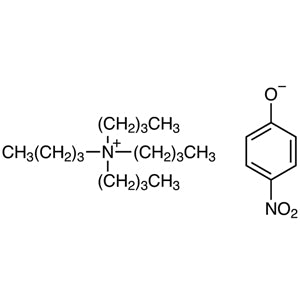
Tetrabutylammoniump-Nitrophenoxide TCI T2669
Regular price From Rp 1.326.150,00Regular priceRp 942.900,00Sale price From Rp 1.326.150,00