Sodium Azide (NaN₃) is a chemical compound widely used in various chemical reactions and laboratory applications. It plays a crucial role in synthetic chemistry, particularly in the preparation of nitrogen-containing compounds. This compound is valued for its ability to provide a stable source of nitrogen, making it essential in substitution and coupling reactions. Due to its reactivity and utility, sodium azide is a common reagent in both organic and inorganic chemistry. Its versatility allows it to be used in a wide range of experimental setups, from basic research to advanced chemical synthesis.
Sodium Azide is preferred for its chemical properties, including its ability to release nitrogen gas under specific conditions. It is chemically stable in certain environments, which makes it suitable for controlled laboratory use. However, it is also highly toxic and can be hazardous if not handled properly. Its reactivity and effectiveness in nitrogen-related reactions make it a valuable tool in chemical research. Despite its risks, sodium azide remains a popular choice in laboratories that require nitrogen sources for various chemical processes.
In Indonesian laboratories, sodium azide is commonly used in chemical research, including organic synthesis, catalytic testing, and nitrogen-based reaction experiments. It is frequently found in chemistry and pharmaceutical laboratories, where it supports the development of new compounds and the testing of chemical processes. Its role in providing a reliable nitrogen source makes it an essential component in many experimental protocols across different scientific disciplines.
TCI brochures (PDF)
- Azidation Reagents 2025-11-10 · p. 2
- C-N Bond Formation Reactions 2025-08-07 · p. 3
- Click Chemistry 2026-09-08 · p. 18
- Reagents for Glyco Chemistry & Biology 5th Edition · p. 146
Related TCI products
- TCI A2523 875770-34-6 Biotin-PEG3-Azide
- TCI B5546 1309649-57-7 Biotin-PEG4-Azide
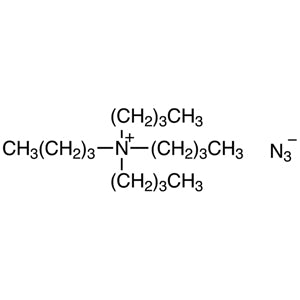
- TCI T0920 993-22-6 Tetrabutylammonium Azide
- TCI D2580 79791-38-1 Dodecylbenzenesulfonyl Azide (soft type) (mixture)
- TCI S0481 7646-69-7 Sodium Hydride (60%, dispersion in Paraffin Liquid)
- TCI S0480 16940-66-2 Sodium Borohydride
- Organic synthesis where nitrogen-containing compounds are required for reaction mechanisms.
- Catalytic testing to evaluate the performance of catalysts in nitrogen-based reactions.
- Preparation of nitrogen compounds in inorganic chemistry experiments for structural analysis.
- Nitrogen release applications in gas generation setups for controlled chemical environments.
- Research in pharmaceutical chemistry for the development of nitrogen-containing drug molecules.
From the TCI brochure
- Azide source for substitution of R-X (X = halide, OTs, OMs, OTf, etc.) to R-N3
| Brand | TCI |
|---|---|
| CAS number | 26628-22-8 |
| Molecular formula | — |
| Purity | — |
| Category | Chemistry > Catalysis and Inorganic Chemistry > Main-group Elements |
| Pack sizes | Available in various quantities as per supplier specifications |
| Physical form | Solid powder |
| Storage | Store in a cool, dry place away from incompatible materials |
Data from the TCI brochure
| Kemasan | 100g |
|---|
Source: TCI brochure RR095 (2025-11-10)
Sodium Azide should be stored in a cool, dry, and well-ventilated area, away from heat sources and incompatible substances such as strong acids or oxidizing agents. It is recommended to use sealed containers made of materials like glass or polyethylene to prevent contamination and exposure. Due to its toxicity, proper personal protective equipment, including gloves and safety goggles, should always be worn when handling this compound. Laboratory personnel must be trained in safe handling procedures to minimize the risk of exposure. Regular inspection of storage conditions is essential to ensure the compound remains stable and safe for use.
References cited in the TCI brochure
- Kenneth Turnbull. Sodium Azide Encyclopedia of Reagents for Organic Synthesis, 2008. doi:10.1002/047084289x.rs045.pub2
Product Categories
- Catalysis and Inorganic ChemistryMain-group Elements [Catalysis and Inorganic Chemistry]Sodium [Catalysis and Inorganic Chemistry]
- Chemical BiologyGlycoscienceReagents for Oligosaccharide Synthesis [Glycoscience]
- Synthetic ReagentsC-X(Non-Halogen) Bond Formation [Synthetic Reagents]Azidation, Diazo Transfer [Synthetic Reagents]
Produk Terkait
-
Biotin-PEG3-Azide TCI A2523
Regular price Rp 4.373.250,00Regular priceRp 3.073.350,00Sale price Rp 4.373.250,00 -
Biotin-PEG4-Azide TCI B5546
Regular price Rp 7.949.550,00Regular priceRp 5.574.450,00Sale price Rp 7.949.550,00 -
TetrabutylammoniumAzide TCI T0920
Regular price From Rp 2.518.950,00Regular priceRp 1.776.600,00Sale price From Rp 2.518.950,00 -
DodecylbenzenesulfonylAzide(softtype)(mixture) TCI D2580
Regular price Rp 1.326.150,00Regular priceRp 927.150,00Sale price Rp 1.326.150,00 -
SodiumHydride(60%,dispersioninParaffinLiquid) TCI S0481
Regular price From Rp 955.500,00Regular priceRp 667.800,00Sale price From Rp 955.500,00 -
SodiumBorohydride TCI S0480
Regular price From Rp 769.650,00Regular priceRp 537.600,00Sale price From Rp 769.650,00 -
SodiumBorohydride(Granulated) TCI O0577
Regular price From Rp 743.400,00Regular priceRp 519.750,00Sale price From Rp 743.400,00 -
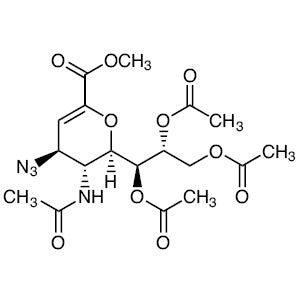
ZanamivirAzideTriacetateMethylEster TCI A3442
Regular price Rp 3.524.850,00Regular priceRp 2.480.100,00Sale price Rp 3.524.850,00