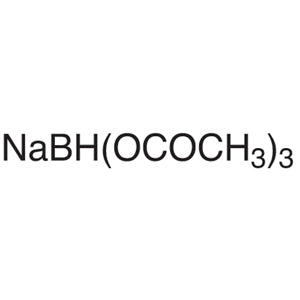
Sodium Borohydride (NaBH₄) is a chemical compound widely used in laboratory settings for its strong reducing properties. It plays a crucial role in organic and inorganic chemistry, particularly in reduction reactions. This compound is commonly employed in the synthesis of organic compounds, especially in reactions involving carbonyl groups such as aldehydes and ketones. Its ability to reduce these functional groups makes it an essential tool for chemists working in various research fields. Sodium Borohydride is also used in purification and analytical processes, where it helps convert oxidized compounds into simpler forms.
One of the key properties that make Sodium Borohydride a preferred choice is its high reactivity and effectiveness as a reducing agent. It is a white powder that dissolves easily in organic solvents like ethanol and methanol. However, it is highly reactive towards water and acids, which necessitates careful handling and storage. Its chemical stability under controlled conditions ensures consistent performance in laboratory applications. Additionally, its solubility and reactivity make it suitable for a wide range of chemical processes.
In Indonesian laboratories, Sodium Borohydride is commonly used in both academic and industrial research settings. It is a staple in organic chemistry labs, where it is used for the synthesis of various compounds. Its role in analytical chemistry is also significant, as it aids in the reduction of complex molecules for further study. Due to its versatility and effectiveness, it remains a key reagent in many chemical processes conducted in Indonesian research facilities.
Advantages (TCI brochure)
- Alone, reduces α,β-unsaturated ketones preferentially by 1,4-reduction
TCI brochures (PDF)
- Reducing Agents 2026-04-06 · p. 2
- Metallic Salts 2025-11-06 · p. 10
- Reagents for Glyco Chemistry & Biology 5th Edition · p. 146
- Boron Compounds 2025-10-07 · p. 22
Related TCI products
- TCI O0577 16940-66-2 Sodium Borohydride (Granulated)
- TCI T0917 33725-74-5 Tetrabutylammonium Borohydride [Reducing Reagent]
- TCI S0394 56553-60-7 Sodium Triacetoxyborohydride
- TCI P1681 13762-51-1 Potassium Borohydride
- TCI T1553 109704-53-2 Tetramethylammonium Triacetoxyborohydride
- TCI B3128 85874-45-9 Benzyltriethylammonium Borohydride
- Organic Synthesis: Sodium Borohydride is widely used in the reduction of aldehydes and ketones, making it essential for the synthesis of complex organic molecules.
- Analytical Chemistry: It is employed in the reduction of oxidized compounds, aiding in the analysis and purification of chemical substances.
- Catalytic Reactions: Its strong reducing properties make it a valuable reagent in catalytic processes, particularly in the reduction of metal ions.
- Pharmaceutical Research: Sodium Borohydride is used in the development of new drugs, where it helps in the synthesis of active pharmaceutical ingredients.
- Environmental Analysis: It is used to reduce heavy metals in environmental samples, facilitating their detection and analysis.
From the TCI brochure
- Reduction of carbonyl groups and imines (see reactivity table)
- Luche reduction with CeCl3
| Brand | TCI |
|---|---|
| CAS number | 16940-66-2 |
| Molecular formula | — |
| Purity | — |
| Category | Chemistry > Catalysis and Inorganic Chemistry > Main-group Elements [Catalysis and Inorganic Chemistry] |
| Pack sizes | Available in various quantities as per standard laboratory requirements |
| Physical form | White powder |
| Storage | — |
Sodium Borohydride should be stored in a cool, dry place away from moisture and acids to prevent unwanted reactions. It is best kept in airtight containers to minimize exposure to air and humidity. Due to its reactivity with water, it must be handled in a fume hood to avoid the release of hydrogen gas. Appropriate personal protective equipment, such as gloves and goggles, should be worn during handling. The compound should not be stored near incompatible materials like strong acids or oxidizing agents. Regular inspection of storage conditions is recommended to ensure the material remains stable and safe for use in laboratory settings.
—
Product Categories
- Catalysis and Inorganic ChemistryMain-group Elements [Catalysis and Inorganic Chemistry]Sodium [Catalysis and Inorganic Chemistry]
- Catalysis and Inorganic ChemistryMetallic Salts [Catalysis and Inorganic Chemistry]Tetrafluoroborates, Tetracyanoborates, Tetrahydroborates, Difluoro(oxalato)borates [Metallic Salts]
- Chemical BiologyGlycoscienceReagents for Oligosaccharide Synthesis [Glycoscience]
- Synthetic ReagentsReduction [Synthetic Reagents]Borohydrides [Reduction]
Produk Terkait
-
SodiumBorohydride(Granulated) TCI O0577
Regular price From Rp 743.400,00Regular priceRp 519.750,00Sale price From Rp 743.400,00 -
TetrabutylammoniumBorohydride[ReducingReagent] TCI T0917
Regular price From Rp 1.618.050,00Regular priceRp 1.146.600,00Sale price From Rp 1.618.050,00 -
SodiumTriacetoxyborohydride TCI S0394
Regular price From Rp 2.174.550,00Regular priceRp 1.520.400,00Sale price From Rp 2.174.550,00 -
PotassiumBorohydride TCI P1681
Regular price Rp 928.200,00Regular priceRp 648.900,00Sale price Rp 928.200,00 -
TetramethylammoniumTriacetoxyborohydride TCI T1553
Regular price From Rp 3.260.250,00Regular priceRp 2.279.550,00Sale price From Rp 3.260.250,00 -
BenzyltriethylammoniumBorohydride TCI B3128
Regular price From Rp 1.934.100,00Regular priceRp 1.368.150,00Sale price From Rp 1.934.100,00 -
TetramethylammoniumBorohydride[ReducingReagent] TCI T0852
Regular price From Rp 928.200,00Regular priceRp 648.900,00Sale price From Rp 928.200,00 -
TetraethylammoniumBorohydride TCI T0837
Regular price From Rp 2.147.250,00Regular priceRp 1.517.250,00Sale price From Rp 2.147.250,00