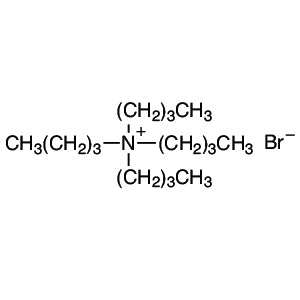
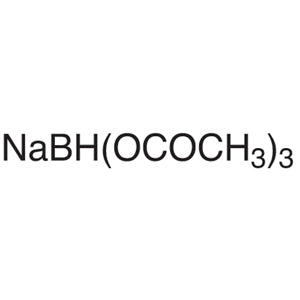
Tetrabutylammonium Borohydride (TBAH) is a chemical reagent widely used in laboratory settings for its reducing properties. It serves as an effective source of hydride ions, making it essential in organic synthesis and biochemical research. This compound is particularly valuable in glycoscience, where it facilitates the reduction of carbonyl groups and other functional groups in complex molecules. Its role in enabling electron transfer during reduction reactions makes it indispensable for the synthesis of various organic compounds.
TBAH is favored for its chemical stability and resistance to decomposition, ensuring consistent performance across different experimental conditions. It is non-toxic and free from heavy metals, enhancing its safety profile compared to other reducing agents. Additionally, its solubility in organic solvents such as ethylamine and methanol makes it versatile for use in a wide range of laboratory applications. These properties make it a reliable and efficient reagent for both academic and industrial research environments.
In Indonesian laboratories, TBAH is commonly used in chemical and biochemical research, especially in institutions focused on organic synthesis and glycoscience. Its availability and cost-effectiveness make it a preferred choice for educational and research facilities aiming to develop advanced synthetic methods. The compound's reliability and safety further support its widespread use in both teaching and research settings.
TCI brochures (PDF)
- Reducing Agents 2026-04-06 · p. 6
- Quaternary Ammonium Salts 2025-11-10 · p. 8
- Reagents for Glyco Chemistry & Biology 5th Edition · p. 148
- Boron Compounds 2025-10-07 · p. 23
Related TCI products
- TCI S0480 16940-66-2 Sodium Borohydride
- TCI O0577 16940-66-2 Sodium Borohydride (Granulated)
- TCI T0852 16883-45-7 Tetramethylammonium Borohydride [Reducing Reagent]
- TCI T1685 2052-49-5 Tetrabutylammonium Hydroxide (40% in Water)
- TCI T0835 32503-27-8 Tetrabutylammonium Hydrogen Sulfate
- TCI T0054 1643-19-2 Tetrabutylammonium Bromide
- Glycoscience Research: TBAH is ideal for reducing carbonyl groups in glycosides, aiding in the synthesis of complex carbohydrates.
- Organic Synthesis: Its hydride source enables efficient reduction reactions, making it suitable for creating diverse organic compounds.
- Biochemical Studies: TBAH supports the modification of biomolecules by reducing functional groups, enhancing its utility in biochemistry.
- Analytical Chemistry: Its stability and solubility make it useful in analytical processes requiring controlled reduction reactions.
- Teaching Laboratories: TBAH is commonly used in educational settings to demonstrate reduction mechanisms and synthetic pathways.
| Brand | TCI |
|---|---|
| CAS number | 33725-74-5 |
| Molecular formula | — |
| Purity | — |
| Category | Chemistry > Chemical Biology > Glycoscience |
| Pack sizes | Available in various quantities as per standard laboratory requirements |
| Physical form | Solid |
| Storage | Store in a cool, dry place away from moisture and direct sunlight |
TBAH should be stored in a cool, dry environment to maintain its chemical stability and prevent degradation. It is recommended to keep it in airtight containers to avoid exposure to moisture and air, which could affect its performance. Due to its non-toxic nature, it is generally safe to handle, but standard laboratory precautions should still be followed, such as wearing gloves and safety goggles. It is important to ensure that the storage area is well-ventilated to prevent the accumulation of any vapors. TBAH is compatible with most standard chemical storage containers, provided they are suitable for organic solvents and maintain a controlled environment. Regular inspection of storage conditions ensures the reagent remains effective for use in laboratory applications.
—
Produk Terkait
-
SodiumBorohydride TCI S0480
Regular price From Rp 769.650,00Regular priceRp 537.600,00Sale price From Rp 769.650,00 -
SodiumBorohydride(Granulated) TCI O0577
Regular price From Rp 743.400,00Regular priceRp 519.750,00Sale price From Rp 743.400,00 -
TetramethylammoniumBorohydride[ReducingReagent] TCI T0852
Regular price From Rp 928.200,00Regular priceRp 648.900,00Sale price From Rp 928.200,00 -
TetrabutylammoniumHydroxide(40%inWater) TCI T1685
Regular price From Rp 1.246.350,00Regular priceRp 887.250,00Sale price From Rp 1.246.350,00 -
TetrabutylammoniumHydrogenSulfate TCI T0835
Regular price From Rp 637.350,00Regular priceRp 460.950,00Sale price From Rp 637.350,00 -
TetrabutylammoniumBromide TCI T0054
Regular price From Rp 557.550,00Regular priceRp 405.300,00Sale price From Rp 557.550,00 -
SodiumTriacetoxyborohydride TCI S0394
Regular price From Rp 2.174.550,00Regular priceRp 1.520.400,00Sale price From Rp 2.174.550,00 -
PotassiumBorohydride TCI P1681
Regular price Rp 928.200,00Regular priceRp 648.900,00Sale price Rp 928.200,00