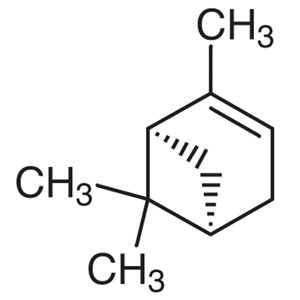
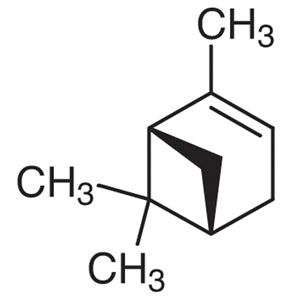
Thujone is a chemical compound belonging to the terpenoid group, widely used in scientific and industrial applications. As a mixture of alpha- and beta-thujone, it represents two isomeric forms of this compound. Thujone is commonly found in natural sources such as cumin seeds, pepper leaves, and various aromatic plants. In the laboratory, it plays a crucial role in the study of aromatic compounds, chemical analysis, and the development of pharmaceutical and cosmetic products. Its unique chemical structure makes it a valuable reagent for organic synthesis and research into biological and pharmacological effects.
Thujone is known for its volatility and tendency to evaporate, which makes it a preferred choice for applications requiring controlled release or rapid reaction kinetics. Its aromatic nature and reactivity also make it suitable for use in organic synthesis and analytical chemistry. The compound is relatively non-toxic in small doses but can cause skin or eye irritation if not handled properly. These properties make it a versatile and essential component in various laboratory workflows, particularly in research involving natural products and synthetic chemistry.
In Indonesian laboratories, thujone is commonly used as a raw material in organic chemistry, pharmaceutical, and biotechnology research. It is also found in studies related to natural products and the development of herbal-based formulations. Its presence in local research highlights its importance in both academic and industrial settings, supporting advancements in chemical sciences and product development.
TCI brochures (PDF)
- Terpenes 2025-09-22 · p. 6
Related TCI products
- TCI M0363 7779-30-8 Methylionone (mixture of alpha- and beta-, predominantly alpha-n-isomer)
- TCI P1362 1686-14-2 alpha-Pinene Oxide
- TCI P1099 7785-70-8 (1R)-(+)-alpha-Pinene
- TCI P0440 7785-26-4 (1S)-(-)-alpha-Pinene
- TCI A0851 122-40-7 alpha-Amylcinnamaldehyde (mixture of isomers)
- TCI B2119 515-69-5 (+/-)-alpha-Bisabolol
- Organic synthesis where thujone's aromatic structure facilitates the creation of complex organic molecules.
- Pharmaceutical research for the development of compounds with potential therapeutic properties.
- Analytical chemistry applications due to its distinct chemical profile and reactivity.
- Cosmetic formulation studies for its aromatic properties and potential use in fragrance development.
- Natural product research to explore its presence in plant-based materials and its biological effects.
| Brand | TCI |
|---|---|
| CAS number | 1125-12-8 |
| Molecular formula | — |
| Purity | — |
| Category | Life Science > Biochemicals and Reagents > Terpenes |
| Pack sizes | As listed on product page |
| Physical form | Liquid |
| Storage | Store in a cool, dry place away from light and heat sources. |
Thujone should be stored in a cool, dry place away from direct light and heat sources to maintain its stability. It is recommended to use airtight containers made of glass or high-density polyethylene to prevent evaporation and contamination. Due to its volatility, proper ventilation is essential in laboratory environments. Users should wear appropriate personal protective equipment, including gloves and safety goggles, to avoid skin or eye contact. Thujone is not considered highly toxic but should be handled with care to prevent irritation. Regular monitoring of storage conditions ensures the compound remains safe and effective for use in research applications.
—
Product Categories
Produk Terkait
-
Methylionone(mixtureofalpha-andbeta-,predominantlyalpha-n-isomer) TCI M0363
Regular price Rp 1.724.100,00Regular priceRp 1.205.400,00Sale price Rp 1.724.100,00 -
alpha-PineneOxide TCI P1362
Regular price From Rp 769.650,00Regular priceRp 537.600,00Sale price From Rp 769.650,00 -
(1R)-(+)-alpha-Pinene TCI P1099
Regular price From Rp 584.850,00Regular priceRp 408.450,00Sale price From Rp 584.850,00 -
(1S)-(-)-alpha-Pinene TCI P0440
Regular price From Rp 610.050,00Regular priceRp 426.300,00Sale price From Rp 610.050,00 -
alpha-Amylcinnamaldehyde(mixtureofisomers) TCI A0851
Regular price From Rp 637.350,00Regular priceRp 445.200,00Sale price From Rp 637.350,00 -
(+/-)-alpha-Bisabolol TCI B2119
Regular price Rp 3.922.800,00Regular priceRp 2.758.350,00Sale price Rp 3.922.800,00 -
alpha-Terpineol TCI T0984
Regular price From Rp 689.850,00Regular priceRp 497.700,00Sale price From Rp 689.850,00 -
alpha-Terpineol TCI T0022
Regular price From Rp 557.550,00Regular priceRp 405.300,00Sale price From Rp 557.550,00