TCI T1052 is Ethyl 2-Butynoate, CAS number 4341-76-8, the ethyl ester of 2-butynoic acid. Its structure features a carbon-carbon triple bond directly next to the carbonyl of the ester group. The compound belongs to the group of non-heterocyclic building blocks and serves as a versatile intermediate in organic synthesis. In the laboratory it is used as a starting material from which more elaborate molecules are assembled, giving researchers a compact and dependable alkyne ester to work with.
The alkyne conjugated with the ester makes this material a reactive electron acceptor, which suits it to many addition and ring-forming reactions common in synthetic research. Because the triple bond is conjugated with the ester group, the beta carbon is electrophilic, so the compound can act as a Michael acceptor toward a range of nucleophiles, including amines and thiols. It can also take part in cycloaddition reactions, for example as a dienophile or a dipolarophile, to build cyclic and heterocyclic frameworks. Its small size and simple methyl group let it fit into many synthetic routes without adding unnecessary structural complexity.
In Indonesian laboratories, this material is useful to research groups working in organic synthesis and heterocyclic chemistry. It is a practical choice wherever a small, reactive alkyne ester is needed as a reagent for method development or for building target structures step by step. The 1 mL and 5 mL pack sizes are suited to reagent-scale work, so a laboratory can order the quantity that matches the scale of its experiments.
Related TCI products
- Michael addition chemistry: the electrophilic beta carbon, activated by the conjugated ester, lets this compound react readily with nucleophiles such as amines and thiols in addition studies.
- Cycloaddition reactions: the activated alkyne can act as a dienophile or dipolarophile, so it suits laboratories building cyclic frameworks through ring-forming reactions.
- Heterocycle construction: as a small alkyne ester, it can be incorporated into routes that lead to heterocyclic structures, which supports research groups focused on heterocyclic chemistry.
- General organic synthesis: as a non-heterocyclic building block with a simple methyl group, it fits many synthetic routes without adding unnecessary structural complexity to the target molecule.
- Reagent-scale research work: the 1 mL and 5 mL pack sizes give research laboratories a convenient quantity for exploratory reactions and method development.
| Brand | TCI |
|---|---|
| CAS number | 4341-76-8 |
| Molecular formula | — |
| Purity | — |
| Category | Chemistry > Building Blocks > Non-Heterocyclic Building Blocks |
| Pack sizes | 1 mL and 5 mL |
| Physical form | — |
| Storage | keep tightly closed and follow the storage instructions on the label and in the supplier safety data sheet |
- Product code: T1052
Store Ethyl 2-Butynoate in its original tightly closed container, following the storage conditions stated on the label and in the supplier safety data sheet. Keep it in a cool, well-ventilated place away from heat, open flames, and incompatible materials. Use glass or other chemically compatible containers if the material needs to be transferred, and label every container clearly. When handling the liquid, work in a fume hood and wear suitable gloves, safety glasses, and a laboratory coat. Avoid contact with skin and eyes, and avoid inhaling vapors. Review the safety data sheet before first use, and dispose of waste according to the laboratory's chemical waste procedures.
—
Produk Terkait
-
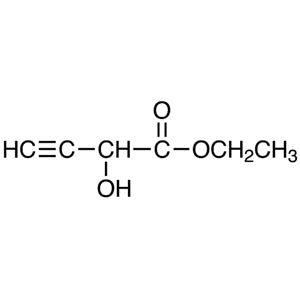
Ethyl2-Hydroxy-3-butynoate TCI H0823
Regular price Rp 7.632.450,00Regular priceRp 5.352.900,00Sale price Rp 7.632.450,00