3,4,5-Trimethoxybenzyl Alcohol is a chemical compound widely used in synthetic reactions to construct complex molecular structures. As a building block, it plays a crucial role in the development of bioactive compounds and organic chemistry applications. Its versatility makes it a valuable tool for researchers aiming to synthesize new compounds with specific functional groups. This compound is commonly found in pharmaceutical and chemical industries, where it contributes to the creation of various active ingredients and industrial chemicals.
The compound’s stable molecular structure and ability to participate in substitution and reduction reactions make it a preferred choice for synthetic chemists. The presence of three methoxy groups on the aromatic ring enhances its reactivity, allowing it to interact effectively with a range of functional groups. This reactivity, combined with its non-toxic and non-venomous nature under normal conditions, ensures its safe use in laboratory settings. These properties make it a reliable and efficient component in chemical synthesis processes.
In Indonesian laboratories, 3,4,5-Trimethoxybenzyl Alcohol is extensively used in organic chemistry research, particularly in the development of pharmacological compounds and industrial chemicals. Its availability and cost-effective nature make it a popular choice among researchers. The compound supports a wide range of experimental applications, contributing to the advancement of chemical and pharmaceutical studies in the region.
Related TCI products
- TCI T4144 25245-29-8 5-Iodo-1,2,3-trimethoxybenzene
- TCI T1563 60241-74-9 2,3,6-Trimethoxybenzoic Acid
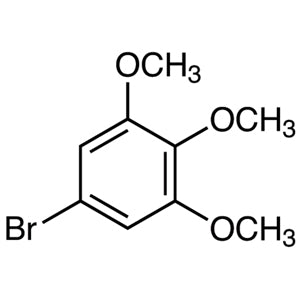
- TCI B4739 2675-79-8 5-Bromo-1,2,3-trimethoxybenzene
- TCI B4721 20129-11-7 1-Bromo-2,4,5-trimethoxybenzene
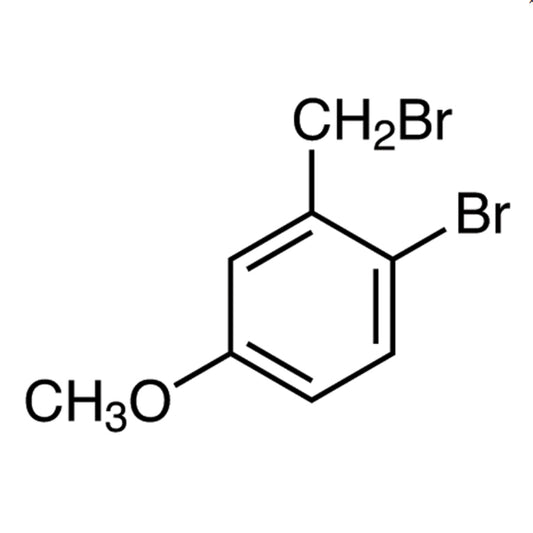
- TCI B4423 19614-12-1 2-Bromo-5-methoxybenzyl Bromide
- TCI B3369 80866-82-6 5-Bromo-2-methoxybenzyl Alcohol
- Organic synthesis applications benefit from this compound’s ability to participate in substitution and reduction reactions, enabling the creation of complex molecular structures.
- Pharmaceutical research utilizes it as a building block for developing bioactive compounds, supporting drug discovery and formulation processes.
- Industrial chemical development relies on its stability and reactivity to synthesize various functional compounds used in manufacturing.
- Academic research in chemistry laboratories uses it for teaching and experimental purposes, providing students with hands-on experience in synthetic techniques.
- Environmental studies may incorporate it to analyze the behavior of aromatic compounds in chemical reactions and their impact on synthetic pathways.
| Brand | TCI |
|---|---|
| CAS number | 3840-31-1 |
| Molecular formula | — |
| Purity | — |
| Category | Chemistry > Building Blocks > Non-Heterocyclic Building Blocks |
| Pack sizes | Available in various quantities as per standard laboratory supply |
| Physical form | Liquid |
| Storage | Store in a cool, dry place away from direct sunlight |
This compound should be stored in a cool, dry place, away from direct sunlight and sources of heat. It is recommended to use airtight containers to prevent exposure to moisture and air, which may affect its stability. As it is non-toxic and non-venomous under normal conditions, general laboratory safety precautions apply, including proper ventilation and handling with care. Ensure that it is kept out of reach of children and not mixed with incompatible substances. Regular monitoring of storage conditions is advised to maintain its integrity and effectiveness for use in chemical synthesis processes.
—
Produk Terkait
-
5-Iodo-1,2,3-trimethoxybenzene TCI T4144
Regular price From Rp 3.021.900,00Regular priceRp 2.112.600,00Sale price From Rp 3.021.900,00 -
2,3,6-TrimethoxybenzoicAcid TCI T1563
Regular price From Rp 1.483.650,00Regular priceRp 1.053.150,00Sale price From Rp 1.483.650,00 -
5-Bromo-1,2,3-trimethoxybenzene TCI B4739
Regular price From Rp 1.087.800,00Regular priceRp 760.200,00Sale price From Rp 1.087.800,00 -
1-Bromo-2,4,5-trimethoxybenzene TCI B4721
Regular price From Rp 1.618.050,00Regular priceRp 1.130.850,00Sale price From Rp 1.618.050,00 -
2-Bromo-5-methoxybenzylBromide TCI B4423
Regular price From Rp 1.298.850,00Regular priceRp 908.250,00Sale price From Rp 1.298.850,00 -
5-Bromo-2-methoxybenzylAlcohol TCI B3369
Regular price From Rp 1.087.800,00Regular priceRp 775.950,00Sale price From Rp 1.087.800,00 -
5-Bromo-2-hydroxybenzylAlcohol TCI B2164
Regular price From Rp 557.550,00Regular priceRp 389.550,00Sale price From Rp 557.550,00 -
3-Bromo-4-methoxybenzylCyanide TCI B1455
Regular price From Rp 1.298.850,00Regular priceRp 924.000,00Sale price From Rp 1.298.850,00