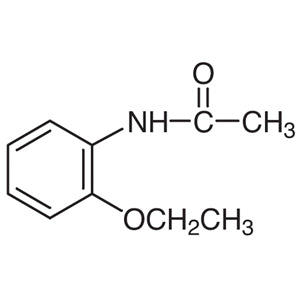
TCI A0081-500G N-Acetyl-epsilon-caprolactam is a caprolactam derivative in which the nitrogen of the lactam ring carries an acetyl group. In the catalog it is classified among the non-heterocyclic organic building blocks. In the laboratory it is known as an acylating agent and as an activator in the anionic polymerization of caprolactam, the process that produces polyamides such as nylon 6. It is supplied by TCI under CAS number 1888-91-1 and is used as a research reagent in both polymer science and synthetic organic chemistry.
The compound is chosen mainly for its N-acyl bond on an activated lactam ring. This feature allows the acetyl group to be transferred to certain nucleophiles, and it also allows the lactam ring to be opened by nucleophiles under suitable conditions. In anionic polymerization, N-acyl caprolactam compounds act as initiators of chain growth, so the process proceeds in a more controlled way. Polymer materials researchers and synthetic organic chemists both consider it for these reasons. The material can react with water, so dry conditions are needed whenever it is handled or used.
For Indonesian laboratories working in polymers, synthetic textiles, or organic synthesis, this compound is relevant as a research reagent. This entry is the 500 g pack, which suits users who need a larger quantity for repeated experiments or formulation studies. Because the quantity is substantial, laboratories can plan several experimental series from a single container, which helps keep the starting material consistent across a study. It is intended for research and laboratory use by trained personnel.
Related TCI products
- Activator in anionic caprolactam polymerization: the N-acyl lactam group initiates chain growth, which makes this compound suitable for laboratories studying how nylon 6 forms and how the process can be controlled.
- Acylating agent in organic synthesis: the activated N-acyl bond lets the acetyl group move to selected nucleophiles, so the compound suits chemists who need an acetyl transfer reagent in their reaction schemes.
- Ring-opening studies of lactams: nucleophiles can open the activated lactam ring under suitable conditions, which makes this material useful for exploring the reactivity of caprolactam derivatives.
- Polymer and synthetic textile research: because it relates directly to polyamide formation, it fits laboratories investigating materials that are based on nylon and similar synthetic fibers.
- Repeated experiments and formulation research: the 500 g pack provides enough material for several experimental series, so it suits laboratories that want one consistent starting material across a long study.
| Brand | TCI |
|---|---|
| CAS number | 1888-91-1 |
| Molecular formula | — |
| Purity | — |
| Category | Chemistry > Building Blocks > Non-Heterocyclic Building Blocks |
| Pack sizes | 500 g |
| Physical form | — |
| Storage | keep dry, because the material can react with water |
- Product code: A0081-500G
Store N-Acetyl-epsilon-caprolactam in its original, tightly closed container in a dry place, since the compound can react with water and moisture should be kept away from it. Reseal the container promptly after each use, and use dry glassware and dry utensils when taking portions. Follow the supplier's safety data sheet for the specific storage temperature and hazard information, and do not assume figures that are not stated there. As general laboratory practice, wear gloves, safety glasses, and a lab coat, work in a well-ventilated area or a fume hood, and avoid contact with skin and eyes. Label any secondary container clearly, and dispose of waste according to the laboratory's own procedures and local regulations.
—
Produk Terkait
-
DL-alpha-Amino-epsilon-caprolactamHydrochloride TCI A2331
Regular price Rp 3.498.600,00Regular priceRp 2.462.250,00Sale price Rp 3.498.600,00 -
DL-alpha-Amino-epsilon-caprolactam TCI A1003
Regular price From Rp 1.856.400,00Regular priceRp 1.313.550,00Sale price From Rp 1.856.400,00 -
N-Methyl-epsilon-caprolactam TCI M0686
Regular price From Rp 980.700,00Regular priceRp 701.400,00Sale price From Rp 980.700,00 -
epsilon-Caprolactam TCI C0203
Regular price From Rp 477.750,00Regular priceRp 333.900,00Sale price From Rp 477.750,00 -
epsilon-Thiocaprolactam TCI T1297
Regular price Rp 4.213.650,00Regular priceRp 2.962.050,00Sale price Rp 4.213.650,00 -
N-Acetyl-o-phenetidine TCI A0103
Regular price Rp 2.677.500,00Regular priceRp 1.887.900,00Sale price Rp 2.677.500,00