5-Aminolevulinic Acid Hydrochloride (5-ALA HCl) is a chemical compound widely used in chemical and biochemical experiments. It serves as a key precursor in the synthesis of biologically important molecules such as heme and porphyrins. Its unique molecular structure makes it a valuable tool in various scientific investigations, particularly in the study of hemoglobin metabolism and photodynamic therapy applications. This compound is essential for researchers working in the fields of chemical biology and peptide chemistry, offering versatility in experimental design and functional analysis.
The chemical properties of 5-ALA HCl make it a preferred choice for laboratory use. It is highly soluble in water, which facilitates its use in a wide range of chemical reactions and biochemical assays. However, it is sensitive to moisture and light, requiring careful handling and storage. Its crystalline form enhances its usability in laboratory settings, allowing for precise measurements and easy incorporation into experimental protocols. These characteristics contribute to its reliability and effectiveness in research applications.
In Indonesian laboratories, 5-ALA HCl is commonly used in chemical and biological research, especially in studies involving porphyrin compounds and their medical and pharmaceutical applications. Its availability and chemical reactivity make it a popular choice among researchers. The compound’s role in photodynamic therapy and metabolic studies further solidifies its importance in both academic and applied research environments.
- Used in biochemical synthesis for porphyrin and heme-related compounds due to its role as a precursor in these complex structures.
- Applied in photodynamic therapy research for its ability to generate reactive oxygen species under light exposure.
- Utilized in hemoglobin metabolism studies to investigate the biosynthetic pathways of iron-containing proteins.
- Employed in peptide chemistry for the development of bioactive molecules with therapeutic potential.
- Incorporated into medical research for the exploration of photodynamic treatment in cancer and dermatological conditions.
| Brand | TCI |
|---|---|
| CAS number | 5451-09-2 |
| Molecular formula | — |
| Purity | — |
| Category | Chemistry > Chemical Biology > Peptide Chemistry |
| Pack sizes | 100MG |
| Physical form | Crystalline |
| Storage | Store in a cool, dry place away from light |
5-Aminolevulinic Acid Hydrochloride should be stored in a cool, dry place, away from direct light to prevent degradation. It is recommended to use airtight containers to minimize exposure to moisture, which can affect its stability. Due to its sensitivity to light and humidity, it is best kept in a desiccator or a sealed container with a desiccant. Laboratory personnel should wear appropriate personal protective equipment when handling the compound to ensure safety. Proper labeling of storage containers is essential to prevent accidental exposure. The compound should be handled in a well-ventilated area to avoid inhalation risks. Regular monitoring of storage conditions ensures the compound remains effective for research purposes.
—
Product Categories
- Biochemicals and ReagentsPharmaceutical Research Reagents (for Experimental Use)Pharmaceutical Research Reagents (Others)
- Molecular BiologyPlant BiotechnologyPlant Tissue Culture
- Pharmaceutical Development and Drug Discovery ResearchPeptide ChemistryUnnatural Amino Acid Derivatives
- Pharmaceutical Development and Drug Discovery ResearchPharmaceutical Research Reagents (for Experimental Use)Pharmaceutical Research Reagents (Others)
Produk Terkait
-
(+/-)-4-ThiazolidinecarboxylicAcid TCI T4355
Regular price Rp 2.411.850,00Regular priceRp 1.702.050,00Sale price Rp 2.411.850,00 -
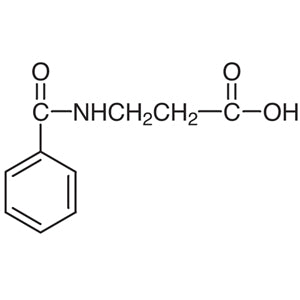
Betamipron TCI B0099
Regular price From Rp 717.150,00Regular priceRp 516.600,00Sale price From Rp 717.150,00 -
L-PipecolicAcid TCI P1404
Regular price From Rp 557.550,00Regular priceRp 405.300,00Sale price From Rp 557.550,00 -
D-Carnitine TCI C3972
Regular price Rp 4.266.150,00Regular priceRp 2.998.800,00Sale price Rp 4.266.150,00 -
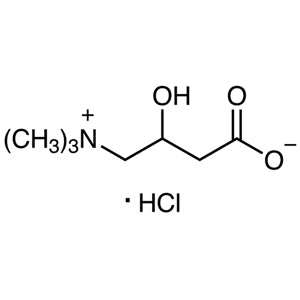
DL-CarnitineHydrochloride TCI C0050
Regular price From Rp 1.087.800,00Regular priceRp 775.950,00Sale price From Rp 1.087.800,00 -
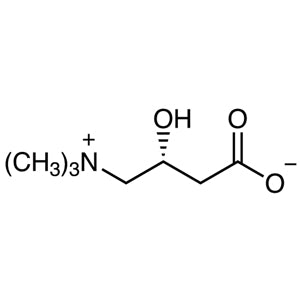
L-Carnitine TCI C0049
Regular price From Rp 1.192.800,00Regular priceRp 849.450,00Sale price From Rp 1.192.800,00 -
5-AminolevulinicAcidHydrochloride TCI A0325
Regular price From Rp 955.500,00Regular priceRp 2.906.400,00-67% Sale price From Rp 955.500,00Sale -
4-AminobutyricAcid TCI A0282
Regular price From Rp 505.050,00Regular priceRp 352.800,00Sale price From Rp 505.050,00