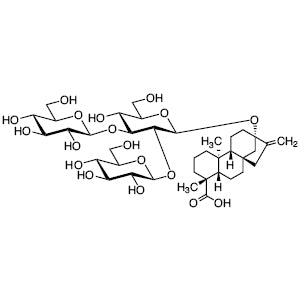
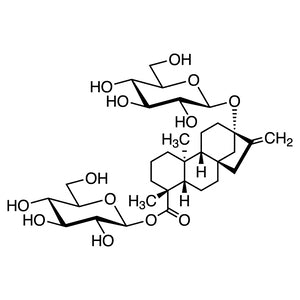
Sodium Abietate is a chemical compound classified under the terpenoid category, widely used in laboratory applications related to organic chemistry and biochemistry. It is a key reagent in various chemical reactions, particularly in the synthesis of organic compounds and the analysis of natural components. Its structural complexity and stability make it a valuable asset in research settings where precision and reliability are essential. This compound is commonly found in the study of natural products, including essential oils and resins, due to its ability to participate in chemical transformations under controlled conditions.
The chemical properties of Sodium Abietate, including its limited solubility in organic solvents and its relatively stable nature, make it a preferred choice for laboratory use. These characteristics allow for effective separation and analysis of components in complex mixtures. Its stability under normal conditions ensures that it remains a reliable reagent for long-term experiments. Additionally, its reactivity in specific environments enables it to be used in targeted chemical syntheses and analytical procedures. These properties contribute to its widespread application in both academic and industrial research.
In Indonesian laboratories, Sodium Abietate is commonly used in biochemical, pharmaceutical, and organic chemistry research. It plays a crucial role in the synthesis of bioactive compounds and the analysis of natural extracts. Its presence in these research areas highlights its importance in advancing scientific understanding and developing new chemical products. Researchers in Indonesia rely on Sodium Abietate for its consistent performance and versatility in various experimental setups.
TCI brochures (PDF)
- Terpenes 2025-09-22 · p. 8
- Biochemical Research: Sodium Abietate is used in biochemical studies for its role in organic synthesis and natural product analysis.
- Pharmaceutical Development: It is employed in the synthesis of bioactive compounds, aiding in drug discovery and formulation.
- Organic Chemistry Experiments: Its chemical stability and reactivity make it suitable for organic reactions and compound derivatization.
- Natural Product Analysis: Sodium Abietate assists in the characterization of essential oils and resins through chromatographic and spectroscopic methods.
- Analytical Chemistry Applications: It is used in separation techniques to isolate and identify complex organic mixtures in laboratory settings.
| Brand | TCI |
|---|---|
| CAS number | 14351-66-7 |
| Molecular formula | — |
| Purity | — |
| Category | Life Science > Biochemicals and Reagents > Terpenes |
| Pack sizes | Available in various quantities as per supplier specifications |
| Physical form | Solid (as per typical terpene derivatives) |
| Storage | Store in a cool, dry place away from moisture and direct sunlight |
Sodium Abietate should be stored in a cool, dry environment to maintain its chemical stability. It is recommended to keep the compound in airtight containers to prevent exposure to moisture and air, which could affect its properties. Suitable storage conditions include maintaining a temperature below 25°C and avoiding direct sunlight. In laboratory settings, it is important to handle the compound with care, using appropriate personal protective equipment such as gloves and safety goggles. Proper labeling of containers is essential to ensure safe handling and prevent accidental exposure. Regular monitoring of storage conditions helps ensure the compound remains effective for its intended applications.
—
Product Categories
Produk Terkait
-
AbieticAcid TCI A0001
Regular price From Rp 1.563.450,00Regular priceRp 1.108.800,00Sale price From Rp 1.563.450,00 -
Steviol TCI T4372
Regular price Rp 8.374.800,00Regular priceRp 5.871.600,00Sale price Rp 8.374.800,00 -
TanshinoneI TCI T4153
Regular price Rp 4.611.600,00Regular priceRp 3.240.300,00Sale price Rp 4.611.600,00 -
TanshinoneIIA TCI T2987
Regular price Rp 1.881.600,00Regular priceRp 1.331.400,00Sale price Rp 1.881.600,00 -
Sclareol TCI S0916
Regular price From Rp 900.900,00Regular priceRp 645.750,00Sale price From Rp 900.900,00 -
Stevioside TCI S0594
Regular price Rp 2.730.000,00Regular priceRp 1.924.650,00Sale price Rp 2.730.000,00 -
RebaudiosideB TCI R0248
Regular price Rp 7.048.650,00Regular priceRp 4.944.450,00Sale price Rp 7.048.650,00 -
Rubusoside TCI R0210
Regular price Rp 6.201.300,00Regular priceRp 4.352.250,00Sale price Rp 6.201.300,00