N-Acetyl-DL-histidine Monohydrate is a chemical compound widely used in research applications across chemistry and biology. As a derivative of histidine, it plays a significant role in peptide synthesis and protein modification processes. This compound is commonly utilized in laboratories for the development of bioactive molecules and pharmaceutical research. Its chemical structure and functional groups make it a versatile reagent in various synthetic pathways. Due to its stability and solubility, it is a preferred choice for researchers working on complex chemical reactions.
This compound is known for its chemical stability and solubility in organic solvents such as ethylamine and acetone. Its ability to dissolve in both organic and aqueous environments makes it suitable for a wide range of experimental conditions. The monohydrate form enhances its compatibility with different reaction systems, allowing for more controlled and reproducible results. These properties make it an essential component in many biochemical and pharmaceutical applications.
In Indonesian laboratories, N-Acetyl-DL-histidine Monohydrate is frequently used in biochemistry, pharmacology, and organic chemistry research. It supports studies related to the synthesis of bioactive compounds and the development of new drugs. Its availability ensures that local research institutions can conduct experiments requiring this compound without relying on imports. This makes it a valuable resource for both academic and industrial research settings.
TCI brochures (PDF)
- Amino Acids and Peptide Synthesis Reagents 2025-08-14 · p. 11
Related TCI products
- TCI A0873 39145-52-3 N-Acetyl-L-histidine Monohydrate
- TCI B1634 17791-52-5 Nalpha-(tert-Butoxycarbonyl)-L-histidine
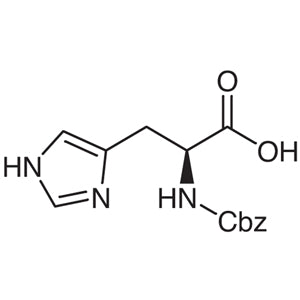
- TCI B0265 14997-58-1 Nalpha-Carbobenzoxy-L-histidine
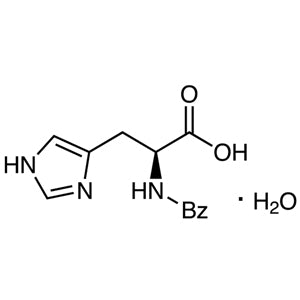
- TCI B0204 5354-94-9 Benzoyl-L-histidine Monohydrate
- TCI F1145 135610-90-1 Nalpha-[(9H-Fluoren-9-ylmethoxy)carbonyl]-tele-(triphenylmethyl)-D-histidine
- TCI F0653 109425-51-6 Nalpha-[(9H-Fluoren-9-ylmethoxy)carbonyl]-tele-(triphenylmethyl)-L-histidine
- Biochemical research utilizes N-Acetyl-DL-histidine Monohydrate for synthesizing peptides and modifying proteins due to its structural compatibility with amino acid derivatives.
- Pharmaceutical development benefits from this compound as it is used in the creation of bioactive molecules with therapeutic potential.
- Organic chemistry experiments leverage its solubility and stability to perform complex reactions under controlled conditions.
- Protein modification studies rely on this compound to alter amino acid side chains, enhancing functional properties of biomolecules.
- Drug discovery processes incorporate it as a building block for designing new compounds with specific biological activities.
| Brand | TCI |
|---|---|
| CAS number | 213178-97-3 |
| Molecular formula | — |
| Purity | — |
| Category | Chemistry > Chemical Biology > Peptide Chemistry |
| Pack sizes | Available in various quantities as per standard laboratory requirements |
| Physical form | White crystalline powder |
| Storage | Store in a cool, dry place away from moisture and direct sunlight |
N-Acetyl-DL-histidine Monohydrate should be stored in a cool, dry environment to maintain its chemical stability. It is recommended to keep the compound in airtight containers to prevent exposure to moisture, which could affect its solubility properties. Due to its hygroscopic nature, it is important to ensure that the storage area is well-ventilated and free from sources of humidity. The compound should be handled with care using appropriate personal protective equipment to avoid direct contact. In laboratory settings, it should be stored away from incompatible substances to prevent any potential chemical interactions. Proper labeling of containers is essential for safe handling and easy identification.
—
Product Categories
Produk Terkait
-
N-Acetyl-L-histidineMonohydrate TCI A0873
Regular price From Rp 662.550,00Regular priceRp 478.800,00Sale price From Rp 662.550,00 -
Nalpha-(tert-Butoxycarbonyl)-L-histidine TCI B1634
Regular price From Rp 1.008.000,00Regular priceRp 720.300,00Sale price From Rp 1.008.000,00 -
Nalpha-Carbobenzoxy-L-histidine TCI B0265
Regular price From Rp 955.500,00Regular priceRp 683.550,00Sale price From Rp 955.500,00 -
Benzoyl-L-histidineMonohydrate TCI B0204
Regular price From Rp 557.550,00Regular priceRp 405.300,00Sale price From Rp 557.550,00 -
Nalpha-[(9H-Fluoren-9-ylmethoxy)carbonyl]-tele-(triphenylmethyl)-D-histidine TCI F1145
Regular price From Rp 1.881.600,00Regular priceRp 1.331.400,00Sale price From Rp 1.881.600,00 -
Nalpha-[(9H-Fluoren-9-ylmethoxy)carbonyl]-tele-(triphenylmethyl)-L-histidine TCI F0653
Regular price From Rp 1.087.800,00Regular priceRp 775.950,00Sale price From Rp 1.087.800,00 -
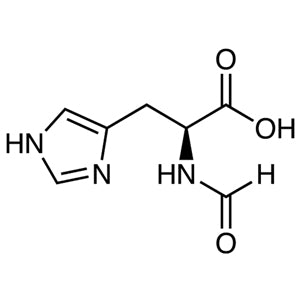
N-Formyl-L-histidine TCI F0133
Regular price Rp 6.015.450,00Regular priceRp 4.222.050,00Sale price Rp 6.015.450,00 -
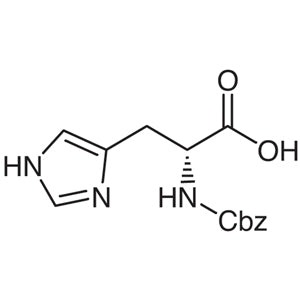
Nalpha-Carbobenzoxy-D-histidine TCI C2133
Regular price From Rp 1.643.250,00Regular priceRp 1.164.450,00Sale price From Rp 1.643.250,00