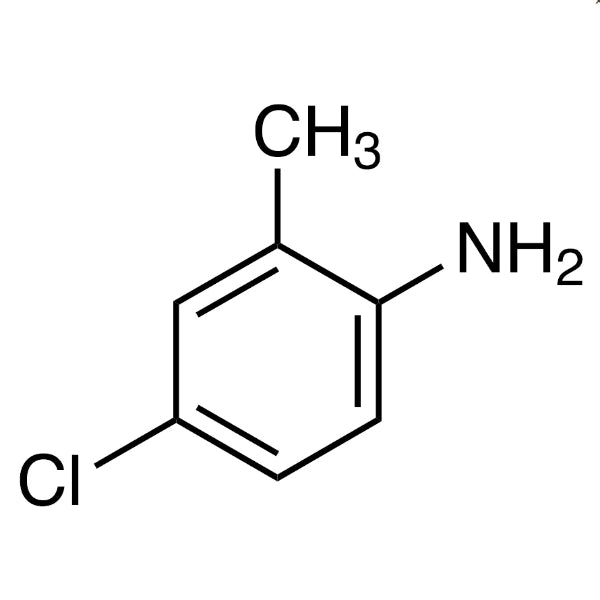
4-Chloro-2-methylaniline is a versatile organic compound widely used in laboratory settings for its ability to participate in various chemical reactions. As a building block in synthetic chemistry, it plays a crucial role in the development of complex molecular structures. This compound is commonly utilized in the synthesis of heterocyclic compounds and their derivatives, making it an essential tool for researchers in both academic and industrial environments. Its chemical reactivity and structural simplicity allow it to be a foundational element in the creation of new chemical entities with diverse applications.
The chemical properties of 4-Chloro-2-methylaniline, including its reactivity in substitution and condensation reactions, make it a preferred choice among chemists. Its stability under specific conditions and compatibility with a wide range of reagents further enhance its utility. The compound’s ability to interact effectively with other chemical species enables it to be a key component in the synthesis of pharmaceuticals and industrial chemicals. These characteristics contribute to its popularity in both research and development settings.
In Indonesian laboratories, 4-Chloro-2-methylaniline is frequently used in organic chemistry and pharmaceutical research. It is a common reagent in the synthesis of compounds with potential therapeutic applications. Its availability and chemical versatility make it a valuable resource for scientists working on drug discovery and chemical innovation.
- Organic synthesis: 4-Chloro-2-methylaniline is widely used in the preparation of heterocyclic compounds due to its reactivity and structural adaptability.
- Pharmaceutical research: This compound is a key reagent in the development of new drugs, particularly in the synthesis of bioactive molecules.
- Industrial chemical production: It serves as a building block for various industrial chemicals, contributing to the creation of functional materials.
- Molecular structure modification: Its ability to undergo substitution reactions makes it ideal for modifying existing molecular frameworks.
- Academic research: It is frequently used in university and research institute settings to explore new synthetic pathways and chemical properties.
| Brand | TCI |
|---|---|
| CAS number | 95-69-2 |
| Molecular formula | — |
| Purity | — |
| Category | Chemistry > Building Blocks > Non-Heterocyclic Building Blocks |
| Pack sizes | Available in various quantities as per supplier specifications |
| Physical form | Liquid |
| Storage | Store in a cool, dry place away from light and incompatible substances |
4-Chloro-2-methylaniline should be stored in a cool, dry place, away from direct sunlight and sources of heat. It is recommended to use airtight containers made of glass or inert materials to prevent contamination and degradation. Due to its chemical reactivity, it should be kept separate from strong oxidizing agents and strong bases. Always handle the compound in a well-ventilated area, and use appropriate personal protective equipment such as gloves and safety goggles. Proper labeling and storage conditions are essential to ensure safety and maintain the integrity of the compound during experimentation.
—
Produk Terkait
-
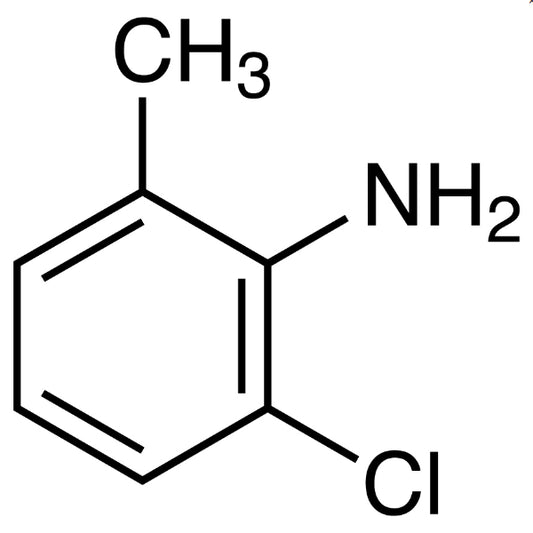
2-Chloro-6-methylaniline TCI A1959
Regular price From Rp 1.431.150,00Regular price -
4-Chloro-3-methylaniline TCI A1610
Regular price Rp 1.565.550,00Regular price -
2-Chloro-4-methylaniline TCI A1437
Regular price From Rp 1.193.850,00Regular price -
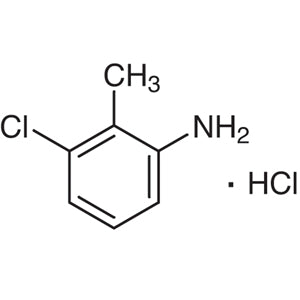
3-Chloro-2-methylanilineHydrochloride TCI A0285
Regular price Rp 795.900,00Regular price -
2-Chloro-5-methylaniline TCI C2576
Regular price Rp 1.538.250,00Regular price -
3-Chloro-N-methylaniline TCI C1891
Regular price From Rp 2.466.450,00Regular price -
5-Chloro-2-methylaniline TCI C1876
Regular price Rp 1.565.550,00Regular price -
4-Chloro-N-methylaniline TCI C1620
Regular price From Rp 1.961.400,00Regular price