2-Chloro-4-methylaniline is a versatile organic compound widely used in laboratory settings for various chemical reactions. As a building block in organic chemistry, it provides a foundational structure that can be modified through substitution and other reaction mechanisms. Its presence in the chemical industry highlights its importance in the synthesis of complex molecules. This compound is a key component in the development of pharmaceuticals, industrial chemicals, and other organic compounds, making it an essential reagent for researchers and chemists.
The compound's chemical properties make it a preferred choice in laboratory applications. It contains both an amine group and a chlorine substituent, which contribute to its reactivity in electrophilic and nucleophilic reactions. These functional groups allow for a wide range of chemical transformations, including coupling reactions and derivatization. The stability of 2-Chloro-4-methylaniline under certain conditions ensures it remains a reliable reagent for synthetic processes. Its reactivity, however, necessitates careful handling and controlled storage to maintain its integrity and safety.
In Indonesian laboratories, 2-Chloro-4-methylaniline is commonly used in organic chemistry research, chemical development, and academic settings. Its role in synthesizing complex molecules makes it a sought-after compound among researchers. The compound's versatility and applicability across multiple fields have made it a staple in both educational and industrial laboratory environments. Its use is integral to advancing chemical knowledge and innovation in Indonesia.
- Organic synthesis is a primary application where 2-Chloro-4-methylaniline is used to create complex molecules through substitution and coupling reactions.
- Pharmaceutical research benefits from this compound as it is a key intermediate in the development of various drug compounds and therapeutic agents.
- Industrial chemical production utilizes this material for the synthesis of dyes, pesticides, and other specialty chemicals due to its reactivity and functional groups.
- Academic research in chemistry laboratories frequently employs this compound for teaching and experimental purposes in undergraduate and graduate studies.
- Analytical chemistry applications involve using this compound as a standard or reagent for testing and characterizing other chemical substances in laboratory settings.
| Brand | TCI |
|---|---|
| CAS number | 615-65-6 |
| Molecular formula | — |
| Purity | — |
| Category | Chemistry > Building Blocks > Non-Heterocyclic Building Blocks |
| Pack sizes | Available in various quantities as per supplier specifications |
| Physical form | Liquid or solid depending on the specific product variant |
| Storage | Store in a cool, dry place away from light and incompatible materials |
2-Chloro-4-methylaniline should be stored in a cool, dry place, away from direct sunlight and sources of heat. It is recommended to use airtight containers made of materials compatible with its chemical properties to prevent contamination and degradation. Due to its reactivity, this compound should be handled in a well-ventilated laboratory environment, preferably with appropriate personal protective equipment. Storage should be away from strong oxidizing agents and acids to avoid unwanted reactions. Regular monitoring of storage conditions is essential to ensure the compound remains stable and safe for use in laboratory applications.
—
Produk Terkait
-
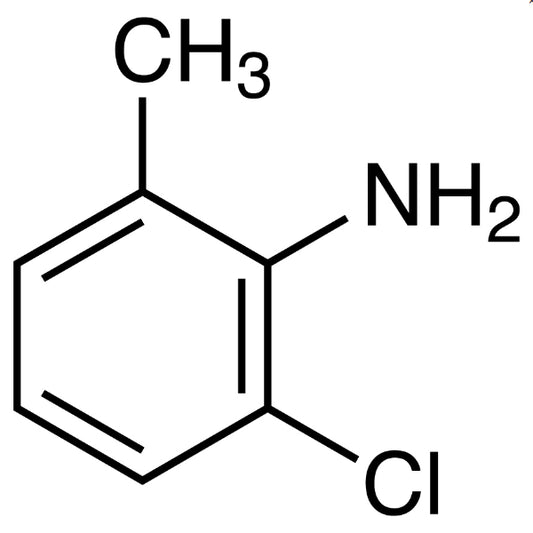
2-Chloro-6-methylaniline TCI A1959
Regular price From Rp 1.431.150,00Regular price -
4-Chloro-3-methylaniline TCI A1610
Regular price Rp 1.565.550,00Regular price -
4-Chloro-2-methylaniline TCI A0704
Regular price From Rp 1.378.650,00Regular price -
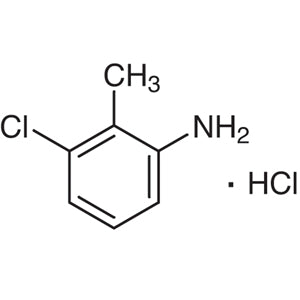
3-Chloro-2-methylanilineHydrochloride TCI A0285
Regular price Rp 795.900,00Regular price -
2-Chloro-5-methylaniline TCI C2576
Regular price Rp 1.538.250,00Regular price -
3-Chloro-N-methylaniline TCI C1891
Regular price From Rp 2.466.450,00Regular price -
5-Chloro-2-methylaniline TCI C1876
Regular price Rp 1.565.550,00Regular price -
4-Chloro-N-methylaniline TCI C1620
Regular price From Rp 1.961.400,00Regular price