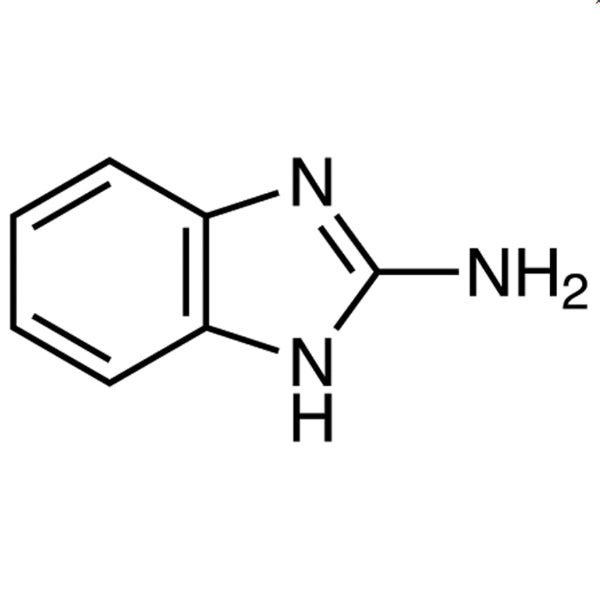
2-Aminobenzimidazole is a versatile chemical compound widely used in various scientific fields, particularly in organic chemistry and pharmacology. It serves as a fundamental building block in the synthesis of heterocyclic compounds, which are essential components in many pharmaceuticals and industrial chemicals. In the laboratory, this compound is frequently employed to construct complex structures with specific biological activities. Its chemical structure is stable, and it exhibits good reactivity, making it an ideal candidate for reactions with various reagents to produce new compounds. These characteristics make it a preferred choice for organic chemists and researchers working on the development of functional molecules.
The compound’s stability and reactivity are key factors that contribute to its popularity in chemical research. Its ability to participate in a wide range of chemical reactions allows scientists to tailor its properties for specific applications. Additionally, its availability in solid form and ease of handling make it a practical choice for laboratory use. These features ensure that it remains a reliable and efficient tool in the synthesis of complex molecules, especially in the context of drug discovery and development.
In Indonesian laboratories, 2-Aminobenzimidazole is commonly used in chemical and pharmaceutical research. Its relevance spans across the development of new drugs, antifungal compounds, and industrial chemicals. Due to its stability and broad applications, this compound is an essential component in the research toolkit of scientists working in the field of organic chemistry and medicinal chemistry.
- Drug discovery and development: 2-Aminobenzimidazole is widely used in the synthesis of bioactive compounds due to its ability to form complex heterocyclic structures, which are common in pharmaceuticals.
- Antifungal compound synthesis: The compound serves as a key intermediate in the creation of antifungal agents, leveraging its reactivity and structural versatility.
- Organic chemistry research: It is a preferred building block for synthesizing functional molecules, enabling researchers to explore new chemical pathways and molecular structures.
- Industrial chemical production: Its stability and reactivity make it suitable for the production of various industrial chemicals, supporting diverse manufacturing processes.
- Medicinal chemistry studies: The compound is frequently used in the design and synthesis of new drugs, contributing to the development of therapeutic agents with targeted biological activities.
| Brand | TCI |
|---|---|
| CAS number | 934-32-7 |
| Molecular formula | — |
| Purity | — |
| Category | Chemistry > Building Blocks > Heterocyclic Building Blocks |
| Pack sizes | Available in various quantities as per standard laboratory supply |
| Physical form | Solid |
| Storage | Store in a cool, dry place away from moisture and direct sunlight |
2-Aminobenzimidazole should be stored in a cool, dry place, away from moisture and direct sunlight to maintain its chemical stability. It is recommended to use airtight containers to prevent exposure to air and potential degradation. As a solid compound, it is generally safe to handle with standard laboratory precautions, including the use of gloves and safety goggles. Proper ventilation should be maintained when working with the compound to ensure a safe environment. Due to its reactivity, it should be handled with care during chemical reactions to avoid unintended side reactions. Always follow standard laboratory safety protocols to ensure safe handling and storage.
—
Produk Terkait
-
5-Aminobenzimidazole TCI A2605
Regular price From Rp 1.776.600,00Regular price -
5,6-Diaminobenzimidazolinone TCI D4533
Regular price From Rp 2.889.600,00Regular price -
2-Aminobenzothiazole TCI A0277
Regular price Rp 1.113.000,00Regular priceRp 793.800,00Sale price Rp 1.113.000,00 -
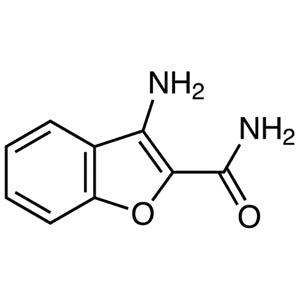
3-Aminobenzofuran-2-carboxamide TCI A2832
Regular price From Rp 823.200,00Regular price -
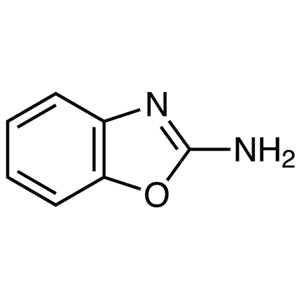
2-Aminobenzoxazole TCI A2774
Regular price From Rp 5.034.750,00Regular price -
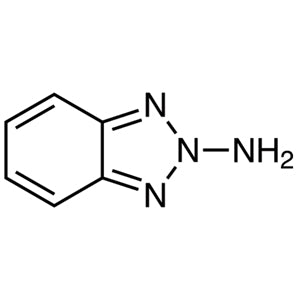
2-Aminobenzotriazole TCI A1585
Regular price From Rp 2.016.000,00Regular price -
1-Aminobenzotriazole TCI A1464
Regular price From Rp 6.015.450,00Regular price -
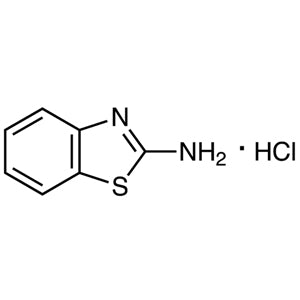
2-AminobenzothiazoleHydrochloride TCI A1218
Regular price Rp 2.094.750,00Regular price