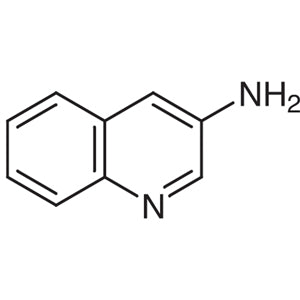
3-Amino-4-hydroxybenzoic Acid is a chemical compound widely used in laboratory experiments across chemical and biochemical fields. This compound plays a crucial role in peptide chemistry and biochemistry due to its functional groups, which enable participation in various synthetic reactions. Its presence in research settings allows scientists to explore molecular structures and their interactions, making it a valuable tool for advanced chemical investigations. The compound is frequently used as a building block in the synthesis of more complex organic molecules, particularly in the development of pharmaceutical compounds and bioactive agents.
The compound's reactivity and structural versatility make it a preferred choice for researchers. It exhibits good solubility in organic solvents such as ethyl acetate and acetone, which facilitates its use in a wide range of chemical reactions. Its stability under controlled conditions ensures reliable results in experimental setups. However, it is sensitive to high temperatures and prolonged exposure to light, requiring careful handling and storage to maintain its integrity. These properties make it suitable for use in both academic and industrial research environments.
In Indonesian laboratories, 3-Amino-4-hydroxybenzoic Acid is commonly utilized in pharmaceutical, biochemical, and organic chemistry research. It is a key component in experiments related to the synthesis of bioactive compounds and molecular structures. Many research institutions and universities in Indonesia rely on this compound for their experimental work, contributing to advancements in scientific knowledge and drug development.
TCI brochures (PDF)
- MALDI Matrix 2025-01-17 · p. 1
Related TCI products
- Peptide Synthesis: This compound is ideal for synthesizing peptides due to its amino and hydroxy groups, which facilitate bond formation in peptide chains.
- Biochemical Research: Its reactivity makes it suitable for studying molecular interactions and enzyme mechanisms in biochemical experiments.
- Organic Chemistry Experiments: The compound's solubility in organic solvents supports its use in various organic synthesis reactions and functional group modifications.
- Pharmaceutical Development: It is frequently used in the synthesis of drug molecules, contributing to the development of new therapeutic agents.
- Structural Analysis Studies: Its molecular structure is valuable for spectroscopic and analytical studies, aiding in the characterization of complex organic compounds.
| Brand | TCI |
|---|---|
| CAS number | 1571-72-8 |
| Molecular formula | — |
| Purity | — |
| Category | Chemistry > Chemical Biology > Peptide Chemistry |
| Pack sizes | Available in standard laboratory quantities |
| Physical form | Solid |
| Storage | Store in a cool, dark place away from moisture and direct light |
This compound should be stored in a cool, dark environment to prevent degradation due to heat and light exposure. It is recommended to use airtight containers to minimize moisture absorption, which can affect its stability. When handling, gloves and appropriate personal protective equipment should be worn to ensure safety. The compound is sensitive to high temperatures and should be kept away from heat sources. Proper ventilation is essential during use to avoid inhalation of vapors. Regular monitoring of storage conditions ensures the compound remains in optimal condition for laboratory use.
—
Product Categories
Produk Terkait
-
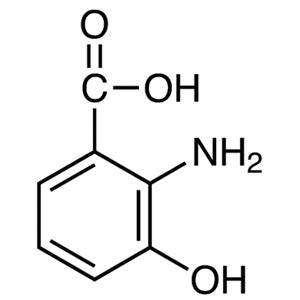
2-Amino-3-hydroxybenzoicAcid TCI A0316
Regular price From Rp 3.312.750,00Regular priceRp 2.332.050,00Sale price From Rp 3.312.750,00 -
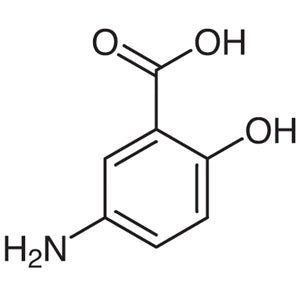
5-AminosalicylicAcid TCI A0317
Regular price From Rp 1.008.000,00Regular priceRp 720.300,00Sale price From Rp 1.008.000,00 -
4-Amino-3-hydroxybenzoicAcid TCI A1194
Regular price From Rp 1.351.350,00Regular priceRp 960.750,00Sale price From Rp 1.351.350,00 -
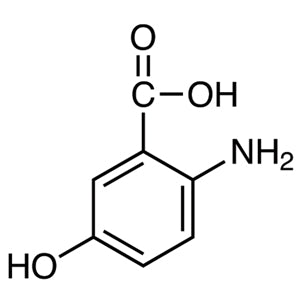
2-Amino-5-hydroxybenzoicAcid TCI H0631
Regular price Rp 3.048.150,00Regular priceRp 2.147.250,00Sale price Rp 3.048.150,00 -
2-Amino-5-mercapto-1,3,4-thiadiazole TCI A0425
Regular price From Rp 822.150,00Regular priceRp 590.100,00Sale price From Rp 822.150,00 -
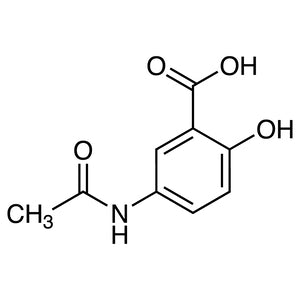
5-Acetamido-2-hydroxybenzoicAcid TCI A3540
Regular price Rp 4.611.600,00Regular priceRp 3.240.300,00Sale price Rp 4.611.600,00 -
3-Aminoquinoline TCI A0418
Regular price From Rp 1.326.150,00Regular priceRp 942.900,00Sale price From Rp 1.326.150,00 -
2',4',6'-TrihydroxyacetophenoneMonohydrate TCI T1888
Regular price From Rp 1.246.350,00Regular priceRp 887.250,00Sale price From Rp 1.246.350,00