4-Amino-3-hydroxybenzoic Acid is a chemical compound widely utilized in various chemical and biochemical experiments within laboratory settings. This compound plays a crucial role in the synthesis of more complex molecules, particularly in the field of peptide chemistry and biochemical research. Its unique molecular structure, featuring both an amino group and a hydroxyl group, contributes to its reactivity and functional versatility. As a key reagent, it supports the development of new compounds and the modification of existing ones, making it a valuable tool for researchers.
The compound's stability and ease of manipulation make it a preferred choice for many laboratory applications. Its ability to participate in a variety of chemical reactions is due to the presence of reactive functional groups. Additionally, its solubility in organic solvents such as ethyl acetate and acetone enhances its utility in purification and separation processes. These properties ensure that it remains a reliable and effective component in chemical synthesis and analytical procedures.
In Indonesian laboratories, 4-Amino-3-hydroxybenzoic Acid is highly relevant for research in organic chemistry, biochemistry, and pharmaceutical sciences. It is commonly used in academic and industrial research settings to support the development of new drugs, biochemical assays, and synthetic pathways. Its availability and chemical properties make it an essential material for scientists working in these fields.
Related TCI products
- Peptide Synthesis: This compound is frequently used in peptide chemistry due to its amino group, which can be modified to create various amino acid derivatives essential for peptide chain formation.
- Biochemical Assays: Its hydroxyl group allows it to participate in enzymatic reactions, making it suitable for biochemical experiments that require specific functional groups.
- Organic Synthesis: The compound's reactivity enables it to be a building block in the synthesis of more complex organic molecules, including pharmaceutical intermediates.
- Chromatographic Analysis: Its solubility in organic solvents makes it ideal for use in chromatographic techniques such as HPLC and TLC for compound separation and identification.
- Drug Development: It is utilized in the development of new pharmaceutical compounds due to its structural versatility and ability to be modified for therapeutic applications.
| Brand | TCI |
|---|---|
| CAS number | 2374-03-0 |
| Molecular formula | — |
| Purity | — |
| Category | Chemistry > Chemical Biology > Peptide Chemistry |
| Pack sizes | Available in various quantities as per supplier specifications |
| Physical form | Solid |
| Storage | Store in a cool, dry place away from moisture and direct sunlight |
This compound should be stored in a cool, dry environment to maintain its chemical integrity and prevent degradation. It is recommended to use airtight containers to protect it from moisture and contaminants. Due to its reactivity, it should be handled with care, ideally in a well-ventilated area. Avoid exposure to strong oxidizing agents or incompatible substances. Proper personal protective equipment, such as gloves and safety goggles, should be worn during handling to ensure laboratory safety. Regular checks on storage conditions are advised to ensure optimal preservation of the compound.
—
Product Categories
Produk Terkait
-
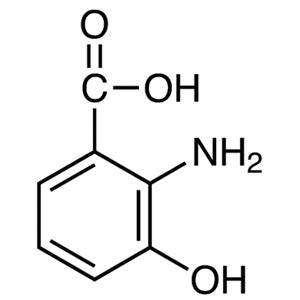
2-Amino-3-hydroxybenzoicAcid TCI A0316
Regular price From Rp 3.312.750,00Regular priceRp 2.332.050,00Sale price From Rp 3.312.750,00 -
3-Amino-4-hydroxybenzoicAcid TCI A0859
Regular price From Rp 1.538.250,00Regular priceRp 1.090.950,00Sale price From Rp 1.538.250,00 -
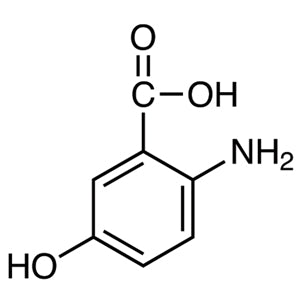
2-Amino-5-hydroxybenzoicAcid TCI H0631
Regular price Rp 3.048.150,00Regular priceRp 2.147.250,00Sale price Rp 3.048.150,00 -
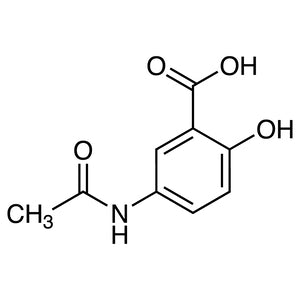
5-Acetamido-2-hydroxybenzoicAcid TCI A3540
Regular price Rp 4.611.600,00Regular priceRp 3.240.300,00Sale price Rp 4.611.600,00 -
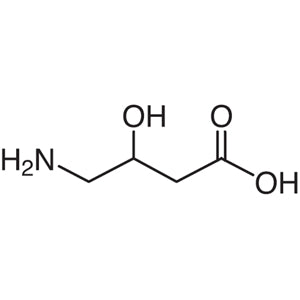
4-Amino-3-hydroxybutyricAcid TCI A0318
Regular price From Rp 1.167.600,00Regular priceRp 831.600,00Sale price From Rp 1.167.600,00 -
DL-2-Amino-n-octanoicAcid TCI A0382
Regular price From Rp 2.332.050,00Regular priceRp 1.646.400,00Sale price From Rp 2.332.050,00 -
(1R,2S)-1-[(tert-Butoxycarbonyl)amino]-2-vinylcyclopropanecarboxylicAcid TCI B5322
Regular price From Rp 689.850,00Regular priceRp 497.700,00Sale price From Rp 689.850,00 -
1-[(tert-Butoxycarbonyl)amino]cyclopropanecarboxylicAcid TCI B3138
Regular price From Rp 3.207.750,00Regular priceRp 2.258.550,00Sale price From Rp 3.207.750,00