Methyl O-Acetylricinoleate is a chemical compound widely used in laboratory settings for its versatility in organic synthesis and molecular modification. As a building block, it plays a crucial role in the development of more complex chemical structures, such as esters and fatty acids. This compound is commonly utilized in research laboratories that focus on organic chemistry and pharmacology, where its stability and reactivity are essential for achieving desired chemical outcomes. Its presence in various scientific experiments highlights its importance in both academic and industrial research environments.
The compound is valued for its chemical stability under specific conditions and its good solubility in organic solvents. These properties make it an ideal choice for chemical reactions that require controlled reactivity without excessive degradation. Its predictable molecular structure further enhances its utility in analytical and synthetic processes, allowing researchers to accurately predict and control reaction outcomes. This reliability contributes to its widespread use in laboratories that require precision and consistency in their experiments.
In Indonesian laboratories, Methyl O-Acetylricinoleate is frequently employed in scientific research and higher education institutions. It is a key component in experiments related to the synthesis of bioactive compounds and molecular modifications. Its availability and performance make it a preferred material for both teaching and research purposes, supporting the advancement of chemical knowledge and innovation in the region.
TCI brochures (PDF)
- Polymer Additives 2026-04-16 · p. 4
- Lipids 2025-12-17 · p. 13
- Organic synthesis experiments benefit from Methyl O-Acetylricinoleate due to its role in creating complex ester structures and modifying molecular frameworks.
- Pharmacological research utilizes this compound to develop bioactive molecules, leveraging its chemical stability and reactivity in drug synthesis.
- Academic laboratories use it for teaching and research in organic chemistry, providing students with hands-on experience in molecular construction.
- Molecular modification studies rely on its predictable structure to design and test new chemical compounds with specific properties.
- Industrial research applications incorporate it for the production of specialty chemicals, where its solubility and reactivity are critical for process efficiency.
| Brand | TCI |
|---|---|
| CAS number | 140-03-4 |
| Molecular formula | — |
| Purity | — |
| Category | Chemistry > Building Blocks > Non-Heterocyclic Building Blocks |
| Pack sizes | Available in various quantities as per standard laboratory supply |
| Physical form | Liquid or solid, depending on the specific product variant |
| Storage | Store in a cool, dry place away from direct sunlight and moisture |
Methyl O-Acetylricinoleate should be stored in a cool, dry environment, away from direct sunlight and moisture to maintain its chemical stability. It is recommended to use appropriate containers that are resistant to chemical reactions and ensure airtight sealing to prevent contamination. In laboratory settings, it is important to handle the compound with care, using suitable personal protective equipment such as gloves and safety goggles. Proper ventilation should be maintained when working with this material to minimize exposure. Regular monitoring of storage conditions is essential to ensure the compound remains in optimal condition for use in experiments.
—
Produk Terkait
-
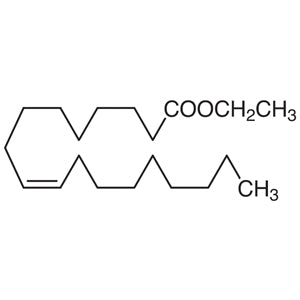
EthylOleate TCI O0143
Regular price From Rp 1.378.650,00Regular priceRp 963.900,00Sale price From Rp 1.378.650,00 -
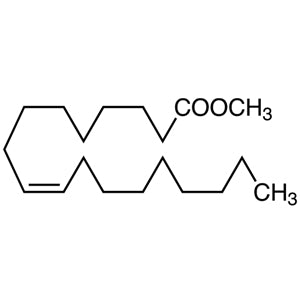
MethylOleate TCI O0055
Regular price From Rp 505.050,00Regular priceRp 352.800,00Sale price From Rp 505.050,00 -
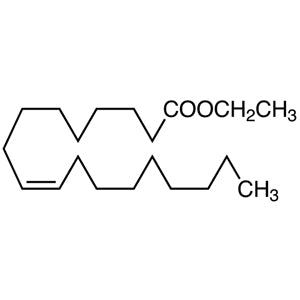
EthylOleate TCI O0054
Regular price From Rp 477.750,00Regular priceRp 333.900,00Sale price From Rp 477.750,00 -
ButylRicinoleate TCI R0045
Regular price From Rp 610.050,00Regular priceRp 442.050,00Sale price From Rp 610.050,00 -
MethylRicinoleate TCI R0029
Regular price From Rp 610.050,00Regular priceRp 442.050,00Sale price From Rp 610.050,00 -
Tributyrin TCI T0364
Regular price From Rp 505.050,00Regular priceRp 352.800,00Sale price From Rp 505.050,00 -
Bis(2-ethylhexyl)Adipate TCI A0163
Regular price Rp 452.550,00Regular priceRp 316.050,00Sale price Rp 452.550,00 -
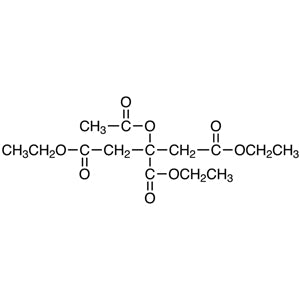
TriethylO-Acetylcitrate TCI A0086
Regular price From Rp 584.850,00Regular priceRp 408.450,00Sale price From Rp 584.850,00