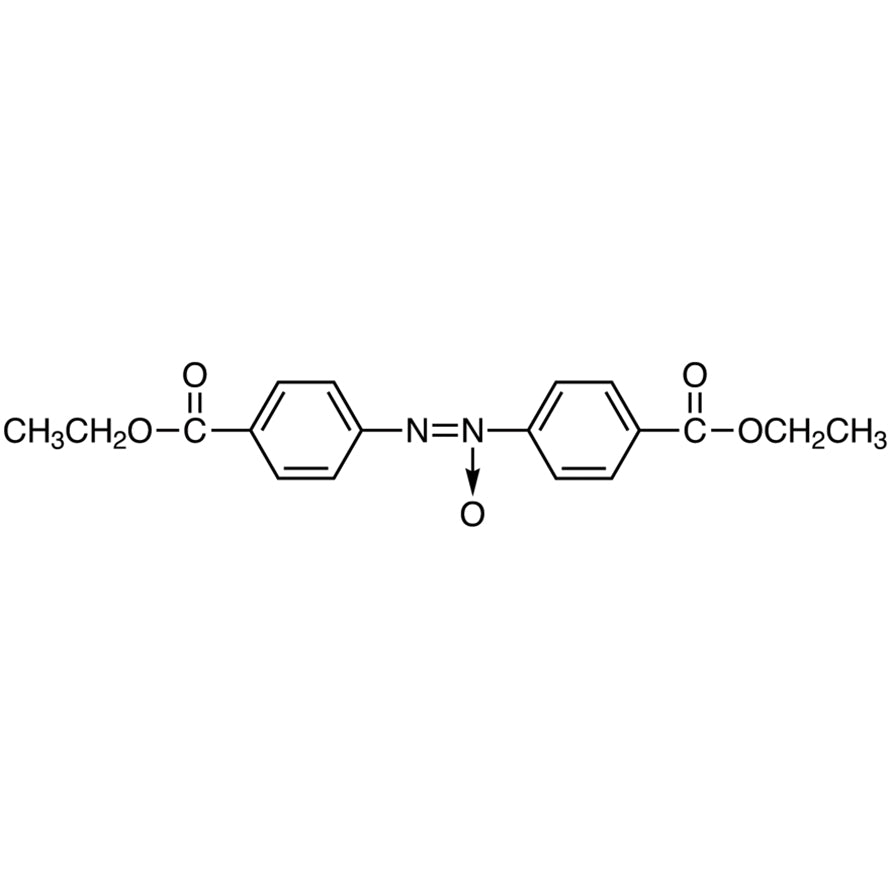
Diethyl Azoxybenzene-4,4'-dicarboxylate is a chemical compound widely used in electronic materials research, particularly in the development of liquid crystal (LC) materials. This compound plays a crucial role in laboratory settings where researchers investigate the optical and electronic properties of various materials. Its unique molecular structure enables specific interactions with its environment, making it a valuable tool in the study of responsive materials. As a key component in the synthesis of advanced materials, it is essential for creating substances that react to electrical or thermal stimuli.
The compound's complex molecular structure and high purity make it a preferred choice for researchers working on liquid crystal applications. It exhibits stable structural properties and good dielectric characteristics, which are essential for developing materials with precise and predictable behavior. These features allow it to be used in the creation of materials that can maintain stable configurations under different conditions. Its reliability and consistency in performance make it a go-to material for high-precision synthesis processes in material science.
In Indonesian laboratories, Diethyl Azoxybenzene-4,4'-dicarboxylate is commonly used in research institutions and universities focused on material science. Scientists and researchers utilize this compound for experiments related to optical and electronic properties, especially in the development of display technologies and sensors. Its application is widespread in academic and industrial research settings where high-quality and consistent materials are required for advanced studies.
TCI brochures (PDF)
- Liquid Crystal Materials 2026-04-01 · p. 9
Related TCI products
- TCI D1094 23315-55-1 4,4'-Dipropoxyazoxybenzene
- TCI D1093 19482-05-4 4,4'-Diamyloxyazoxybenzene
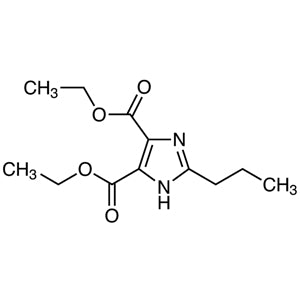
- TCI D3765 144689-94-1 Diethyl 2-Propyl-1H-imidazole-4,5-dicarboxylate
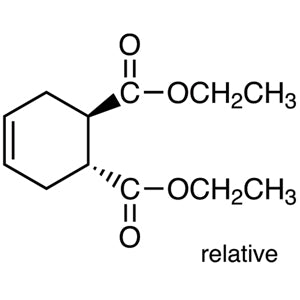
- TCI D3714 4841-85-4 Diethyl cis-4-Cyclohexene-1,2-dicarboxylate
- TCI D3507 37687-24-4 Diethyl Pyrazole-3,5-dicarboxylate
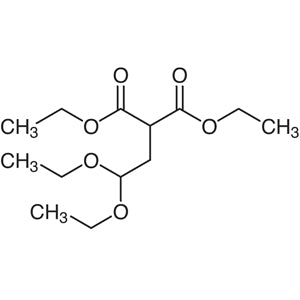
- TCI D2438 21339-47-9 Diethyl 3,3-Diethoxypropane-1,1-dicarboxylate
- Liquid Crystal Material Synthesis: This compound is ideal for creating liquid crystal materials due to its stable molecular structure and dielectric properties, enabling precise control over material behavior.
- Optical Property Research: It is used to study how materials interact with light, making it essential for experiments on optical response and transmission characteristics.
- Electronic Material Development: Its ability to respond to electrical stimuli makes it suitable for developing materials used in electronic devices and sensors.
- Thermal Response Studies: The compound's thermal stability allows it to be used in experiments assessing how materials behave under varying temperature conditions.
- Display Technology Innovation: It plays a key role in the development of advanced display technologies, where precise optical and electronic properties are critical.
| Brand | TCI |
|---|---|
| CAS number | 6421-04-1 |
| Molecular formula | — |
| Purity | — |
| Category | Materials Science > Electronic Materials > Liquid Crystal (LC) Materials |
| Pack sizes | Available in various quantities as per supplier specifications |
| Physical form | Solid (as per standard product description) |
| Storage | Store in a cool, dry place away from direct sunlight |
This compound should be stored in a cool, dry environment, away from direct sunlight and sources of heat. It is recommended to use airtight containers to prevent moisture absorption and contamination. Due to its chemical nature, it should be handled with appropriate personal protective equipment, including gloves and safety goggles. Proper ventilation is essential when working with this material to minimize exposure. It is important to ensure that storage conditions remain stable to maintain the compound's integrity and effectiveness. Always follow standard laboratory safety protocols to ensure safe handling and storage practices.
—
Produk Terkait
-
4,4'-Dipropoxyazoxybenzene TCI D1094
Regular price Rp 6.545.700,00Regular priceRp 4.576.950,00Sale price Rp 6.545.700,00 -
4,4'-Diamyloxyazoxybenzene TCI D1093
Regular price Rp 8.187.900,00Regular priceRp 5.725.650,00Sale price Rp 8.187.900,00 -
Diethyl2-Propyl-1H-imidazole-4,5-dicarboxylate TCI D3765
Regular price Rp 1.087.800,00Regular priceRp 775.950,00Sale price Rp 1.087.800,00 -
Diethylcis-4-Cyclohexene-1,2-dicarboxylate TCI D3714
Regular price Rp 2.837.100,00Regular priceRp 1.983.450,00Sale price Rp 2.837.100,00 -
DiethylPyrazole-3,5-dicarboxylate TCI D3507
Regular price Rp 848.400,00Regular priceRp 609.000,00Sale price Rp 848.400,00 -
Diethyl3,3-Diethoxypropane-1,1-dicarboxylate TCI D2438
Regular price Rp 1.856.400,00Regular priceRp 1.313.550,00Sale price Rp 1.856.400,00 -
Diethyltrans-4-Cyclohexene-1,2-dicarboxylate TCI C1704
Regular price Rp 557.550,00Regular priceRp 389.550,00Sale price Rp 557.550,00 -
3-Ethyl(-)-Thiazolidine-3,4-dicarboxylate TCI T1974
Regular price Rp 610.050,00Regular priceRp 442.050,00Sale price Rp 610.050,00