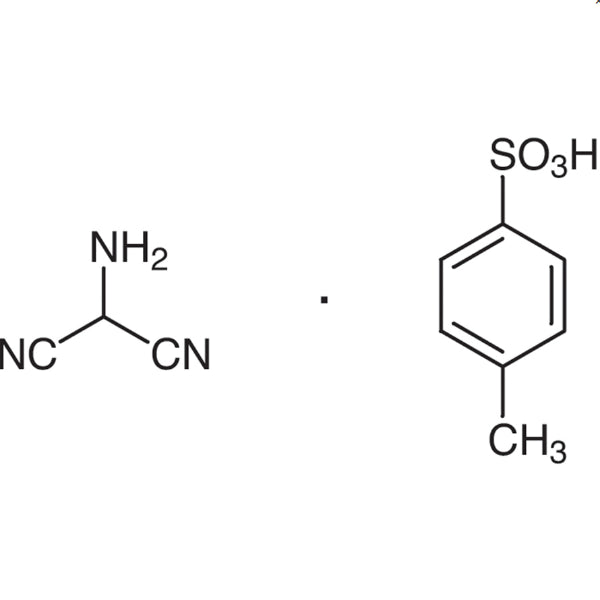
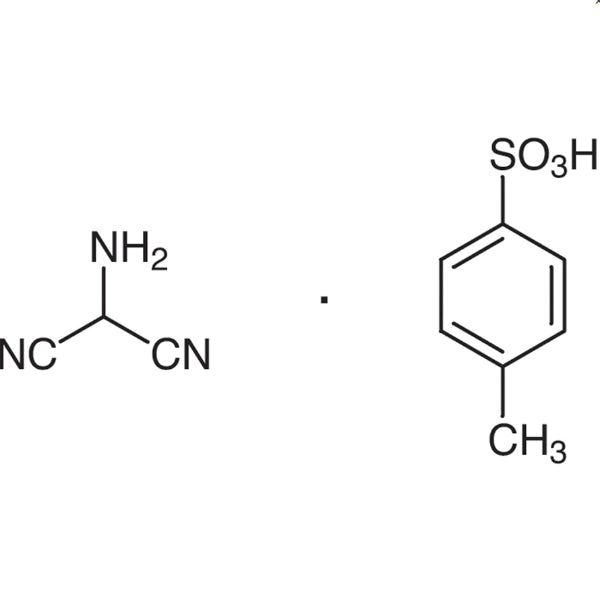
Aminomalononitrile p-Toluenesulfonate is a chemical compound widely used in laboratory settings for its versatility in organic synthesis. This reagent plays a crucial role in facilitating various chemical reactions, particularly those involving substitution and bond formation. Its unique molecular structure makes it an essential building block for the creation of complex molecules. In research and development, it is a key component in the synthesis of compounds with pharmaceutical and industrial applications. Due to its reactivity and stability, it is highly valued in both academic and industrial laboratories.
The compound is favored for its chemical stability and reactivity in controlled environments. It exhibits consistent performance across a range of experimental conditions, making it a reliable choice for chemists. Its ability to participate in substitution reactions and carbon-carbon bond formation enhances its utility in synthetic pathways. Additionally, its chemical properties allow it to be used in multiple reaction types, ensuring its adaptability to different research needs. These characteristics make it a preferred material for laboratory use.
In Indonesian laboratories, Aminomalononitrile p-Toluenesulfonate is commonly used in organic chemistry research, especially in the synthesis of bioactive compounds. It is a vital reagent in academic and industrial research institutions across the country. Its reliability and effectiveness make it an essential component in experimental setups that require high-quality chemical building blocks. This compound supports a wide range of chemical investigations, contributing to scientific advancements in various fields.
Related TCI products
- Organic synthesis applications benefit from this compound's ability to participate in substitution and bond-forming reactions, making it ideal for creating complex molecular structures.
- Pharmaceutical research utilizes this reagent for the development of bioactive compounds, as its chemical properties support the synthesis of drug-related molecules.
- Industrial chemical processes rely on its stability and reactivity to produce a variety of compounds used in manufacturing and production.
- Academic research institutions use it extensively in teaching and experimental work, providing students with a reliable building block for chemical experiments.
- Analytical chemistry applications take advantage of its predictable behavior in controlled environments, ensuring accurate and reproducible results in chemical analysis.
| Brand | TCI |
|---|---|
| CAS number | 5098-14-6 |
| Molecular formula | — |
| Purity | — |
| Category | Chemistry > Building Blocks > Non-Heterocyclic Building Blocks |
| Pack sizes | Available in various quantities as per supplier specifications |
| Physical form | Solid powder |
| Storage | Store in a cool, dry place away from direct sunlight and moisture |
This compound should be stored in a cool, dry environment to maintain its chemical stability and prevent degradation. It is recommended to keep it in a tightly sealed container to avoid exposure to moisture and air. Proper ventilation is essential when handling the material to minimize inhalation risks. Laboratory personnel should wear appropriate personal protective equipment, such as gloves and safety goggles, when working with this compound. It should be stored away from incompatible substances to ensure safety. Regular inspection of storage conditions is advised to ensure optimal preservation of the material.
—
Produk Terkait
-
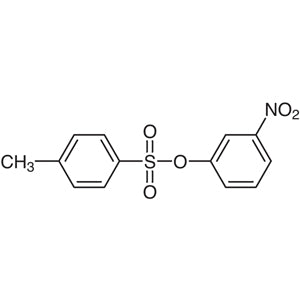
3-Nitrophenylp-Toluenesulfonate TCI T1210
Regular price Rp 4.611.600,00Regular priceRp 3.224.550,00Sale price Rp 4.611.600,00 -
(Ethoxymethylene)malononitrile TCI E0649
Regular price Rp 1.670.550,00Regular priceRp 1.183.350,00Sale price Rp 1.670.550,00 -
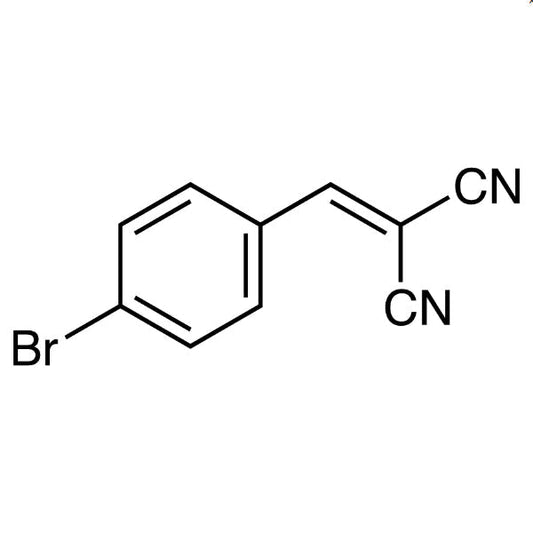
2-(4-Bromobenzylidene)malononitrile TCI B4712
Regular price Rp 4.559.100,00Regular priceRp 3.203.550,00Sale price Rp 4.559.100,00 -
tert-Butylmalononitrile TCI B1584
Regular price Rp 2.252.250,00Regular priceRp 1.590.750,00Sale price Rp 2.252.250,00 -
Benzalmalononitrile TCI B0947
Regular price Rp 2.306.850,00Regular priceRp 1.628.550,00Sale price Rp 2.306.850,00 -
1-Naphthylmalononitrile TCI N0550
Regular price Rp 5.246.850,00Regular priceRp 3.684.450,00Sale price Rp 5.246.850,00 -
2-(4-Methylbenzylidene)malononitrile TCI M3410
Regular price Rp 1.988.700,00Regular priceRp 1.405.950,00Sale price Rp 1.988.700,00 -
Isopropylidenemalononitrile TCI I0488
Regular price Rp 2.518.950,00Regular priceRp 1.776.600,00Sale price Rp 2.518.950,00