2-(4-Bromobenzylidene)malononitrile is a chemical compound widely used as a building block in the synthesis of complex organic molecules. This compound plays a crucial role in organic chemistry laboratories, where it serves as a versatile intermediate for creating a wide range of functional groups and molecular structures. Its utility extends to the development of pharmaceuticals, industrial chemicals, and other organic compounds, making it an essential tool for researchers and chemists. The compound's reactivity and structural versatility make it a valuable asset in synthetic pathways that require precise molecular manipulation.
The compound's unique chemical structure, consisting of nitrile groups and a bromobenzylidene moiety, contributes to its high reactivity. These functional groups enable it to participate in various chemical reactions, such as condensation, substitution, and nucleophilic reactions. Its ability to undergo multiple reaction pathways makes it a preferred choice for chemists seeking to build complex molecules efficiently. Additionally, its solid form facilitates accurate weighing and handling in laboratory settings, enhancing its practicality for routine use.
In Indonesian laboratories, 2-(4-Bromobenzylidene)malononitrile is commonly used in organic chemistry research, particularly in pure and applied chemistry programs. It is a key component in the synthesis of heterocyclic compounds and other complex structures. Its availability and stability make it a reliable material for long-term storage and repeated use in various research applications. This compound supports both academic and industrial research efforts in Indonesia, contributing to the advancement of chemical sciences.
Related TCI products
- TCI M3410 2826-25-7 2-(4-Methylbenzylidene)malononitrile
- TCI E0649 123-06-8 (Ethoxymethylene)malononitrile
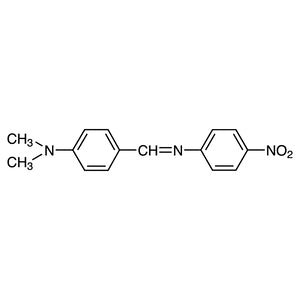
- TCI D2264 896-05-9 4'-(Dimethylamino)benzylidene-4-nitroaniline
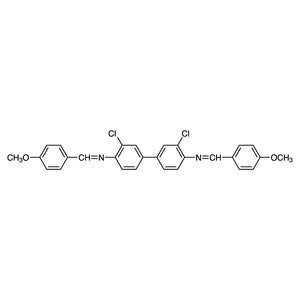
- TCI B0878 3540-78-1 3,3'-Dichloro-N,N'-bis(4-methoxybenzylidene)benzidine
- TCI M0588 25959-50-6 4-[(4-Methoxybenzylidene)amino]cinnamic Acid
- TCI M0586 5424-78-2 2-[(4-Methoxybenzylidene)amino]fluorene
- Organic synthesis is a primary application where this compound is used to construct complex molecular frameworks, especially in the development of pharmaceuticals and industrial chemicals.
- Heterocyclic compound synthesis benefits from its reactivity, allowing for the formation of ring structures essential in drug development and material science.
- Nucleophilic substitution reactions are enhanced by its functional groups, making it ideal for creating new chemical entities with specific properties.
- Condensation reactions often utilize this compound due to its ability to form stable intermediates, facilitating the synthesis of more complex organic molecules.
- Industrial chemical production relies on this compound for the creation of specialized materials and compounds used in various manufacturing processes.
| Brand | TCI |
|---|---|
| CAS number | 2826-24-6 |
| Molecular formula | — |
| Purity | — |
| Category | Chemistry > Building Blocks > Non-Heterocyclic Building Blocks |
| Pack sizes | Available in various quantities as per standard laboratory supply |
| Physical form | Solid |
| Storage | Store in a cool, dry place away from moisture and direct sunlight |
This compound should be stored in a cool, dry environment to maintain its stability and prevent degradation. It is recommended to use airtight containers to protect it from moisture and air exposure. Due to its reactivity, it should be handled with appropriate personal protective equipment, such as gloves and safety goggles, to ensure laboratory safety. It is important to keep it away from incompatible substances to avoid unwanted chemical reactions. Regular inspection of storage conditions ensures the compound remains suitable for use in research applications. Proper labeling and storage practices help maintain the integrity of the material for extended periods.
—
Produk Terkait
-
2-(4-Methylbenzylidene)malononitrile TCI M3410
Regular price From Rp 1.988.700,00Regular priceRp 1.405.950,00Sale price From Rp 1.988.700,00 -
(Ethoxymethylene)malononitrile TCI E0649
Regular price Rp 1.670.550,00Regular priceRp 1.183.350,00Sale price Rp 1.670.550,00 -
4'-(Dimethylamino)benzylidene-4-nitroaniline TCI D2264
Regular price Rp 2.173.500,00Regular priceRp 1.535.100,00Sale price Rp 2.173.500,00 -
3,3'-Dichloro-N,N'-bis(4-methoxybenzylidene)benzidine TCI B0878
Regular price Rp 2.862.300,00Regular priceRp 2.017.050,00Sale price Rp 2.862.300,00 -
4-[(4-Methoxybenzylidene)amino]cinnamicAcid TCI M0588
Regular price Rp 2.013.900,00Regular priceRp 1.423.800,00Sale price Rp 2.013.900,00 -
2-[(4-Methoxybenzylidene)amino]fluorene TCI M0586
Regular price Rp 3.445.050,00Regular priceRp 2.424.450,00Sale price Rp 3.445.050,00 -
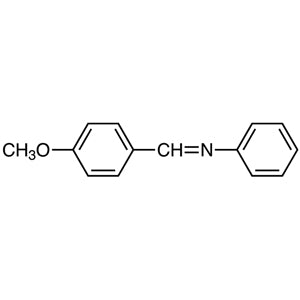
N-(4-Methoxybenzylidene)aniline TCI M0582
Regular price From Rp 689.850,00Regular priceRp 497.700,00Sale price From Rp 689.850,00 -
tert-Butylmalononitrile TCI B1584
Regular price From Rp 2.252.250,00Regular priceRp 1.590.750,00Sale price From Rp 2.252.250,00