![25959-50-6 4-[(4-Methoxybenzylidene)amino]cinnamic Acid - AMI Scientific](http://amiscientific.com/cdn/shop/files/TCI2510M0588.jpg?v=1767123282&width=1946)
![25959-50-6 4-[(4-Methoxybenzylidene)amino]cinnamic Acid - AMI Scientific](http://amiscientific.com/cdn/shop/files/TCI2510M0588.jpg?v=1767123282&width=1445)
4-[(4-Methoxybenzylidene)amino]cinnamic Acid is a chemical compound widely used in organic reactions, particularly in the synthesis of complex molecules that require aromatic structures and amino groups. As a building block in chemical synthesis, it plays a crucial role in laboratories by enabling researchers to construct new compounds with specific functional properties. This compound is valued for its versatility and stability, making it a reliable component in various chemical processes. Its molecular structure allows for predictable chemical behavior, which is essential in controlled laboratory environments where precision is key.
The compound’s chemical properties, including its ability to react with acids, bases, and organic solvents, make it a preferred choice for synthetic chemists. Its stability under different reaction conditions ensures consistent results, which is vital for reproducibility in research. The absence of heterocyclic components simplifies prediction of reaction outcomes, reducing the complexity of synthetic pathways. This characteristic makes it especially useful in applications where controlled and predictable chemical behavior is required.
In Indonesian laboratories, this compound is commonly used in organic chemistry research, particularly in academic and research institutions. It supports the development of new compounds relevant to pharmaceutical, dye, and chemical industries. Its role as a foundational building block is essential in advancing chemical innovation and understanding molecular interactions in complex systems.
Related TCI products
- TCI M0586 5424-78-2 2-[(4-Methoxybenzylidene)amino]fluorene
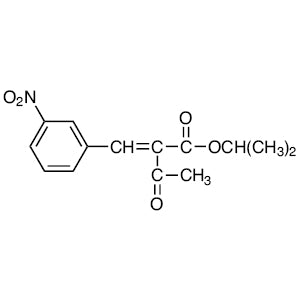
- TCI I1116 39562-25-9 Isopropyl 2-(3-Nitrobenzylidene)-3-oxobutanoate
- TCI B1455 772-59-8 3-Bromo-4-methoxybenzyl Cyanide
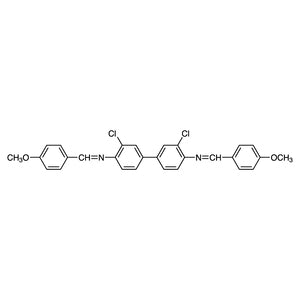
- TCI B0878 3540-78-1 3,3'-Dichloro-N,N'-bis(4-methoxybenzylidene)benzidine
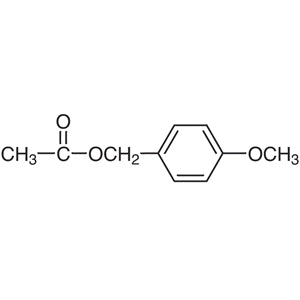
- TCI A0886 104-21-2 4-Methoxybenzyl Acetate
- TCI M0605 3230-39-5 N-(4-Methoxybenzylidene)-4-hydroxyaniline
- Organic synthesis applications benefit from this compound’s stable structure and predictable reactivity, allowing for precise control in complex molecule creation.
- Pharmaceutical research utilizes it as a key intermediate in the development of new drugs, leveraging its aromatic and amino functionalities.
- Dye and pigment synthesis relies on its ability to form conjugated systems, contributing to the creation of colored compounds with specific properties.
- Chemical education laboratories use it to teach fundamental concepts in organic chemistry, providing hands-on experience with synthetic processes.
- Industrial chemical production incorporates it in the manufacture of specialty chemicals, where its structural versatility enhances product development.
| Brand | TCI |
|---|---|
| CAS number | 25959-50-6 |
| Molecular formula | — |
| Purity | — |
| Category | Chemistry > Building Blocks > Non-Heterocyclic Building Blocks |
| Pack sizes | Available in various quantities as per standard chemical supply practices |
| Physical form | Solid, typically crystalline or powder |
| Storage | Store in a cool, dry place away from light and moisture |
This compound should be stored in a cool, dry environment, away from direct sunlight and moisture to maintain its chemical integrity. It is recommended to use airtight containers made of materials such as glass or polyethylene to prevent contamination and degradation. Due to its reactivity with acids and bases, it should be handled with appropriate personal protective equipment, including gloves and safety goggles. In laboratory settings, it is important to ensure proper ventilation when working with this compound to minimize exposure. Storage conditions should be consistent to avoid any changes in its physical or chemical properties, ensuring its reliability in experimental applications.
—
Produk Terkait
-
2-[(4-Methoxybenzylidene)amino]fluorene TCI M0586
Regular price Rp 3.392.550,00Regular price -
Isopropyl2-(3-Nitrobenzylidene)-3-oxobutanoate TCI I1116
Regular price From Rp 1.405.950,00Regular price -
3-Bromo-4-methoxybenzylCyanide TCI B1455
Regular price From Rp 1.246.350,00Regular price -
3,3'-Dichloro-N,N'-bis(4-methoxybenzylidene)benzidine TCI B0878
Regular price Rp 2.809.800,00Regular price -
4-MethoxybenzylAcetate TCI A0886
Regular price From Rp 477.750,00Regular price -
N-(4-Methoxybenzylidene)-4-hydroxyaniline TCI M0605
Regular price Rp 1.724.100,00Regular price -
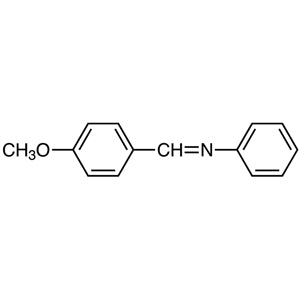
N-(4-Methoxybenzylidene)aniline TCI M0582
Regular price From Rp 637.350,00Regular price -
4-HydroxybenzylCyanide TCI H0657
Regular price From Rp 875.700,00Regular price
![5424-78-2 2-[(4-Methoxybenzylidene)amino]fluorene - AMI Scientific](http://amiscientific.com/cdn/shop/files/TCI2510M0586.jpg?v=1767123278&width=533)