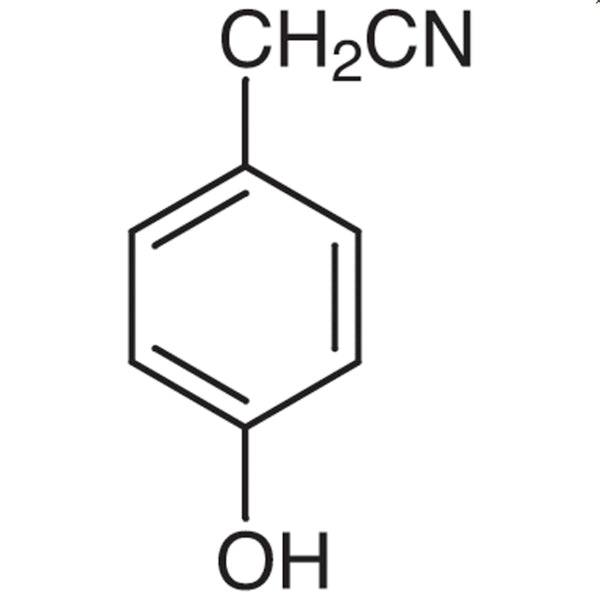
4-Hydroxybenzyl Cyanide (4-HBC) is a chemical compound widely used in laboratory settings for the synthesis of complex molecules. As a building block in organic chemistry, it plays a crucial role in the development of new compounds by serving as a versatile intermediate in various chemical reactions. Its presence in non-heterocyclic building blocks makes it an essential component for researchers aiming to create structurally diverse compounds. In the laboratory, 4-HBC is frequently employed to facilitate the formation of new chemical structures through reactions such as substitution and condensation.
The chemical properties of 4-HBC, including its stability under controlled conditions, make it a preferred choice for synthetic chemists. The presence of both hydroxyl and cyanide functional groups allows it to participate in a wide range of reactions, enhancing its utility in organic synthesis. Its reactivity and compatibility with various reagents enable researchers to design and execute complex synthetic pathways efficiently. These characteristics contribute to its popularity among scientists working in both academic and industrial research environments.
In Indonesian laboratories, 4-HBC is extensively used in organic chemistry research, particularly in the fields of pharmacology and the synthesis of bioactive compounds. Its role in creating new molecules with potential pharmaceutical applications has made it a valuable tool for researchers. The compound’s versatility and effectiveness in synthetic processes have solidified its position as a key reagent in chemical laboratories across Indonesia.
Related TCI products
- TCI B1455 772-59-8 3-Bromo-4-methoxybenzyl Cyanide
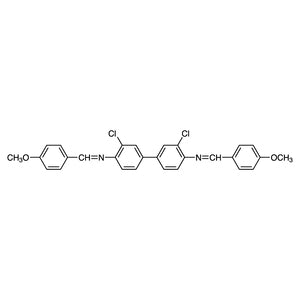
- TCI B0878 3540-78-1 3,3'-Dichloro-N,N'-bis(4-methoxybenzylidene)benzidine
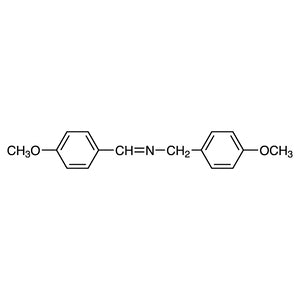
- TCI M3543 3261-60-7 N-(4-Methoxybenzyl)-1-(4-methoxyphenyl)methanimine
- TCI M0605 3230-39-5 N-(4-Methoxybenzylidene)-4-hydroxyaniline
- TCI M0588 25959-50-6 4-[(4-Methoxybenzylidene)amino]cinnamic Acid
- TCI M0586 5424-78-2 2-[(4-Methoxybenzylidene)amino]fluorene
- Organic synthesis is a primary application for 4-HBC, as its functional groups enable the formation of complex molecular structures through various reaction mechanisms.
- Medicinal chemistry research benefits from 4-HBC due to its ability to participate in the synthesis of bioactive compounds with potential therapeutic applications.
- Heterocyclic compound development utilizes 4-HBC as a building block to create molecules with diverse ring structures and functional groups.
- Analytical chemistry laboratories use 4-HBC as a standard reference material for calibration and quality control in chemical analysis procedures.
- Industrial chemical production incorporates 4-HBC in the manufacture of specialty chemicals and intermediates for pharmaceutical and agrochemical applications.
| Brand | TCI |
|---|---|
| CAS number | 14191-95-8 |
| Molecular formula | — |
| Purity | — |
| Category | Chemistry > Building Blocks > Non-Heterocyclic Building Blocks |
| Pack sizes | Available in various quantities as per standard laboratory supply formats |
| Physical form | Solid |
| Storage | Store in a cool, dry place away from light and moisture |
4-Hydroxybenzyl Cyanide should be stored in a cool, dry environment to maintain its chemical stability. It is recommended to keep the compound in a tightly sealed container to prevent exposure to moisture and air. Due to its reactive nature, it should be handled in a well-ventilated area, preferably under a fume hood, to minimize inhalation risks. The container should be made of inert material such as glass or polyethylene to avoid chemical interactions. Proper personal protective equipment, including gloves and safety goggles, should be worn when handling this compound. Regular monitoring of storage conditions ensures the compound remains in optimal condition for use in laboratory applications.
—
Produk Terkait
-
3-Bromo-4-methoxybenzylCyanide TCI B1455
Regular price From Rp 1.246.350,00Regular price -
3,3'-Dichloro-N,N'-bis(4-methoxybenzylidene)benzidine TCI B0878
Regular price Rp 2.809.800,00Regular price -
N-(4-Methoxybenzyl)-1-(4-methoxyphenyl)methanimine TCI M3543
Regular price From Rp 1.908.900,00Regular price -
N-(4-Methoxybenzylidene)-4-hydroxyaniline TCI M0605
Regular price Rp 1.724.100,00Regular price -
4-[(4-Methoxybenzylidene)amino]cinnamicAcid TCI M0588
Regular price Rp 1.961.400,00Regular price -
2-[(4-Methoxybenzylidene)amino]fluorene TCI M0586
Regular price Rp 3.392.550,00Regular price -
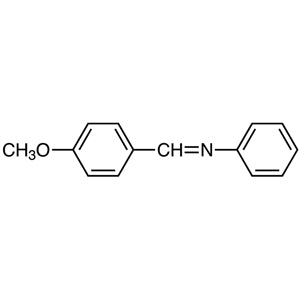
N-(4-Methoxybenzylidene)aniline TCI M0582
Regular price From Rp 637.350,00Regular price -
3,4-DimethoxybenzylCyanide TCI D1887
Regular price From Rp 769.650,00Regular price


![25959-50-6 4-[(4-Methoxybenzylidene)amino]cinnamic Acid - AMI Scientific](http://amiscientific.com/cdn/shop/files/TCI2510M0588.jpg?v=1767123282&width=533)
![5424-78-2 2-[(4-Methoxybenzylidene)amino]fluorene - AMI Scientific](http://amiscientific.com/cdn/shop/files/TCI2510M0586.jpg?v=1767123278&width=533)