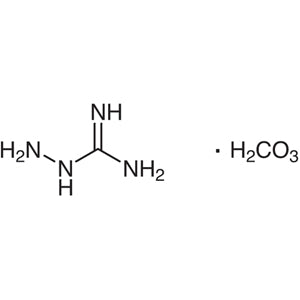
Aminoguanidine Hydrochloride is a chemical compound widely used in scientific experiments, particularly in pharmacology and biochemistry. It serves as an essential reagent for researchers aiming to study enzyme inhibition mechanisms and its potential therapeutic applications. This compound is commonly employed in experimental settings to investigate the effects of molecular interactions in controlled laboratory environments. Its role in pharmaceutical research is significant, as it helps in understanding the biochemical pathways involved in various diseases.
One of the key properties that make Aminoguanidine Hydrochloride a preferred choice is its chemical stability and solubility in organic solvents such as ethyl acetate and ethanol. These characteristics allow it to be easily integrated into a wide range of chemical reactions and synthesis processes. Additionally, its reactivity with various substrates makes it suitable for experiments requiring high precision and reproducibility. Its consistent performance across different experimental conditions ensures reliable results in research settings.
In Indonesian laboratories, Aminoguanidine Hydrochloride is utilized in applied clinical and pharmacological research. It plays a vital role in drug development studies and biomedical research, especially in institutions focused on health sciences. Its application supports the advancement of therapeutic strategies for conditions such as diabetes and degenerative diseases. Researchers rely on this compound to explore new treatment options and improve existing therapeutic approaches.
TCI brochures (PDF)
- Obesity_Diabete Research Reagents 2026-07-10 · p. 1
- Pharmaceutical Ingredients for Research and Experimental Use 2026-03-09 · p. 23
- Reagents for Biological Research 2025-03-11 · p. 45
- Enzyme Inhibition Studies: Aminoguanidine Hydrochloride is ideal for investigating enzyme inhibition mechanisms, aiding in the development of targeted therapies.
- Diabetes Research: It is used to study metabolic pathways and potential treatments for diabetes-related complications.
- Degenerative Disease Studies: This compound helps in exploring the biochemical pathways involved in neurodegenerative and other degenerative conditions.
- Pharmaceutical Development: It supports the synthesis and testing of new drug candidates, contributing to the discovery of effective treatments.
- Biomedical Research: Aminoguanidine Hydrochloride is essential for experiments requiring precise biochemical interactions and molecular analysis.
| Brand | TCI |
|---|---|
| CAS number | 1937-19-5 |
| Molecular formula | — |
| Purity | — |
| Category | Life Science > Biochemicals and Reagents > Pharmaceutical Research Reagents |
| Pack sizes | Available in various quantities as per standard laboratory requirements |
| Physical form | White crystalline powder |
| Storage | Store in a cool, dry place away from moisture and light |
Aminoguanidine Hydrochloride should be stored in a cool, dry place, away from moisture and direct light to maintain its chemical stability. It is recommended to use airtight containers to prevent exposure to humidity, which could affect its purity and effectiveness. In laboratory settings, proper personal protective equipment should be worn when handling this compound to ensure safety. It is important to avoid contact with skin and eyes, and to work in a well-ventilated area. The compound should not be stored near incompatible materials such as strong acids or bases. Regular monitoring of storage conditions is advised to ensure the integrity of the material during long-term use.
—
Product Categories
- Biochemicals and ReagentsPharmaceutical Research Reagents (for Experimental Use)Antidiabetic Ingredients (for Research and Experimental Use)
- Cell BiologyObesity and Diabetes ResearchAdvanced Glycation End-products (AGEs) Formation Inhibitors
- Pharmaceutical Development and Drug Discovery ResearchPharmaceutical Research Reagents (for Experimental Use)Antidiabetic Ingredients (for Research and Experimental Use)
Produk Terkait
-
MetforminHydrochloride TCI M2009
Regular price From Rp 1.988.700,00Regular priceRp 1.405.950,00Sale price From Rp 1.988.700,00 -
AminoguanidineBicarbonate TCI A0307
Regular price From Rp 557.550,00Regular priceRp 405.300,00Sale price From Rp 557.550,00 -
AminoguanidineSulfate TCI A0309
Regular price From Rp 795.900,00Regular priceRp 572.250,00Sale price From Rp 795.900,00 -
1,3-DiaminoguanidineHydrochloride TCI D1912
Regular price From Rp 900.900,00Regular priceRp 645.750,00Sale price From Rp 900.900,00 -
Troglitazone TCI T3920
Regular price From Rp 3.975.300,00Regular priceRp 2.795.100,00Sale price From Rp 3.975.300,00 -
Benfotiamine TCI B4711
Regular price From Rp 1.749.300,00Regular priceRp 1.239.000,00Sale price From Rp 1.749.300,00 -
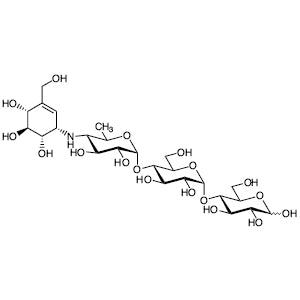
Acarbose TCI A2485
Regular price From Rp 2.757.300,00Regular priceRp 1.943.550,00Sale price From Rp 2.757.300,00 -
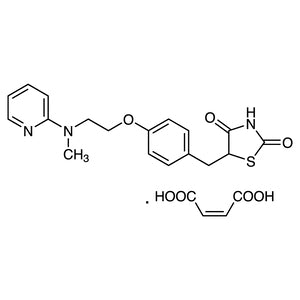
RosiglitazoneMaleate TCI R0271
Regular price From Rp 1.696.800,00Regular priceRp 1.202.250,00Sale price From Rp 1.696.800,00