Benfotiamine (TCI B4711), with CAS number 22457-89-2, is a chemical compound widely used in pharmaceutical research and biochemical studies. As an analog of vitamin B1 (thiamine), it plays a crucial role in investigating the metabolism of B vitamins and their impact on neurological health and organ function. In laboratory settings, it serves as a key reagent for experimental studies related to neurodegenerative diseases, including diabetes and peripheral neuropathy. Its chemical stability and solubility in organic solvents make it a versatile compound for various chemical reactions and synthetic processes.
Benfotiamine is preferred due to its chemical stability, solubility in organic solvents, and significant biological activity. These properties allow it to be used in a wide range of experimental protocols, making it a reliable choice for researchers. Its ability to interact with biological systems and influence metabolic pathways enhances its utility in drug development and pharmacological studies. Additionally, its consistent performance in laboratory experiments ensures reproducibility and accuracy in research outcomes.
In Indonesian laboratories, Benfotiamine is commonly used in clinical research and fundamental studies. It is particularly relevant for institutions focused on pharmacology, biochemistry, and public health. Its availability supports scientific investigations that contribute to the advancement of medical knowledge and technological innovation. Researchers rely on this compound to conduct experiments that explore therapeutic applications and pharmacological effects.
TCI brochures (PDF)
- Obesity_Diabete Research Reagents 2026-07-10 · p. 1
- Vitamins for Research and Experimental Use 2025-06-27 · p. 3
- Pharmaceutical Ingredients for Research and Experimental Use 2026-03-09 · p. 43
- Reagents for Biological Research 2025-03-11 · p. 51
- Neurodegenerative Disease Research: Benfotiamine is used to study the effects of vitamin B1 analogs on conditions like diabetes and peripheral neuropathy due to its metabolic activity and stability.
- Pharmaceutical Development: Its biological activity makes it ideal for drug formulation and testing in experimental pharmacological studies.
- Biochemical Metabolism Studies: The compound is valuable for investigating vitamin B metabolism and its impact on neurological and organ functions.
- Organic Synthesis Reactions: Its solubility in organic solvents makes it suitable for chemical synthesis and reaction processes in the lab.
- Clinical Research Applications: It supports research into therapeutic interventions and biological effects in both basic and applied scientific studies.
| Brand | TCI |
|---|---|
| CAS number | 22457-89-2 |
| Molecular formula | — |
| Purity | — |
| Category | Life Science > Biochemicals and Reagents > Pharmaceutical Research Reagents |
| Pack sizes | As per supplier specifications |
| Physical form | Solid (as per product description) |
| Storage | Store in a cool, dry place away from light |
Benfotiamine should be stored in a cool, dry environment, away from direct sunlight and moisture. It is recommended to use airtight containers to prevent contamination and maintain its chemical stability. Due to its organic solubility, it should be handled in a well-ventilated area to minimize exposure. Researchers should wear appropriate personal protective equipment, such as gloves and safety goggles, when handling the compound. Proper labeling and storage practices ensure the safety of laboratory personnel and the integrity of the compound during experimentation.
—
Product Categories
- Biochemicals and ReagentsPharmaceutical Research Reagents (for Experimental Use)Pharmaceutical Research Reagents (Others)
- Biochemicals and ReagentsVitamins and Related CompoundsVitamin Derivatives
- Cell BiologyNutrition ResearchVitamins [Nutrition Research]
- Cell BiologyObesity and Diabetes ResearchAdvanced Glycation End-products (AGEs) Formation Inhibitors
- Cell BiologyParaptosis
- Pharmaceutical Development and Drug Discovery ResearchPharmaceutical Research Reagents (for Experimental Use)Pharmaceutical Research Reagents (Others)
Produk Terkait
-
Tazarotene TCI T3108
Regular price Rp 1.563.450,00Regular priceRp 1.108.800,00Sale price Rp 1.563.450,00 -
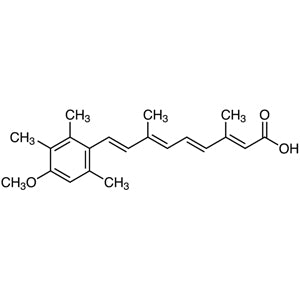
Acitretin TCI A3097
Regular price From Rp 2.332.050,00Regular priceRp 1.646.400,00Sale price From Rp 2.332.050,00 -
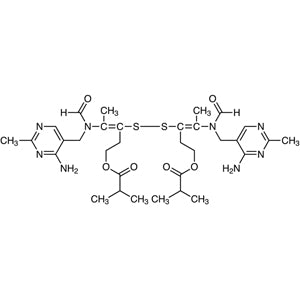
Sulbutiamine TCI S0964
Regular price Rp 1.192.800,00Regular priceRp 849.450,00Sale price Rp 1.192.800,00 -
Bexarotene TCI B4798
Regular price Rp 5.087.250,00Regular priceRp 3.573.150,00Sale price Rp 5.087.250,00 -
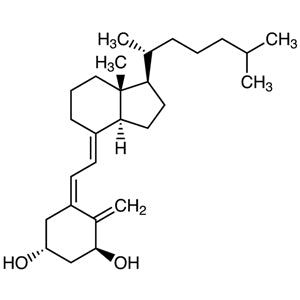
Alfacalcidol TCI A3125
Regular price From Rp 3.472.350,00Regular priceRp 2.443.350,00Sale price From Rp 3.472.350,00 -
Acipimox TCI M2053
Regular price From Rp 1.298.850,00Regular priceRp 924.000,00Sale price From Rp 1.298.850,00 -
all-trans-N-(4-Hydroxyphenyl)retinamide TCI H1464
Regular price From Rp 2.491.650,00Regular priceRp 1.757.700,00Sale price From Rp 2.491.650,00 -
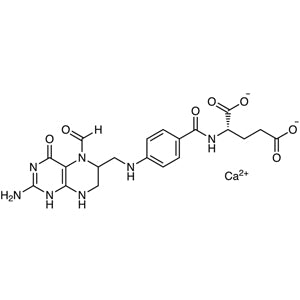
CalciumFolinate TCI C2235
Regular price From Rp 2.173.500,00Regular priceRp 1.535.100,00Sale price From Rp 2.173.500,00